
Brexit was supposed to settle the argument. Instead, it is back.
Ten years ago, millions of British citizens voted for a different future. They were promised greater control over their country's laws, borders and money. For some, Brexit represented independence and democracy. For others, it was the beginning of an economic separation that would cost Britain dearly.
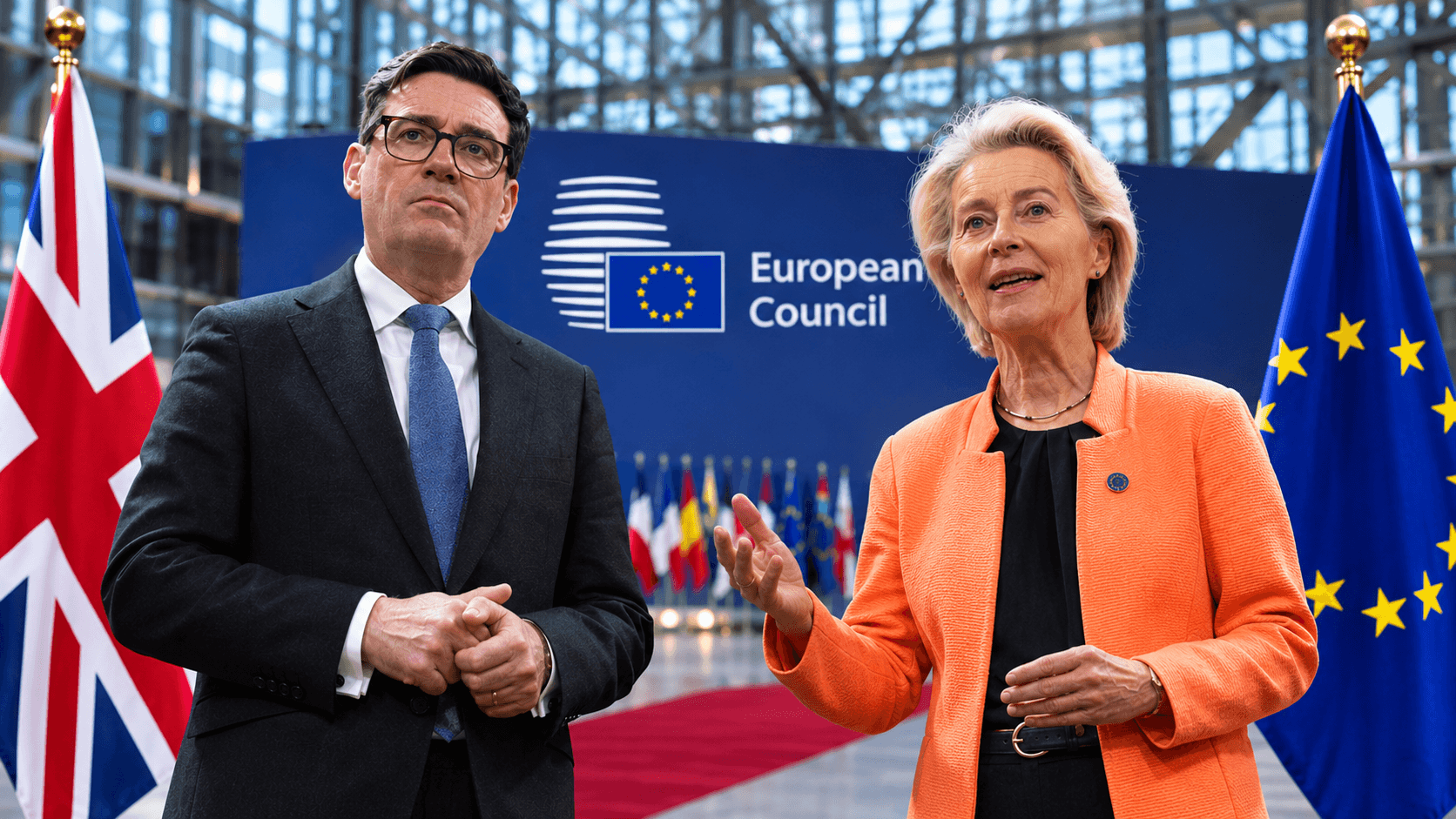
Now, Britain is preparing to negotiate another chapter in its relationship with Europe. On Friday, 20 November 2026, Prime Minister Andy Burnham is scheduled to meet European Commission President Ursula von der Leyen and European Council President António Costa in Brussels. The summit is expected to address trade, energy, security, migration and opportunities for younger generations.
But behind the diplomatic language lies a difficult question: How much is Britain prepared to pay for closer European cooperation, and how much control might it have to share? For ordinary families, farmers, workers and small-business owners, these negotiations are not an abstract political debate. They could affect their bills, employment opportunities and economic future.
A prime minister without a fresh general election
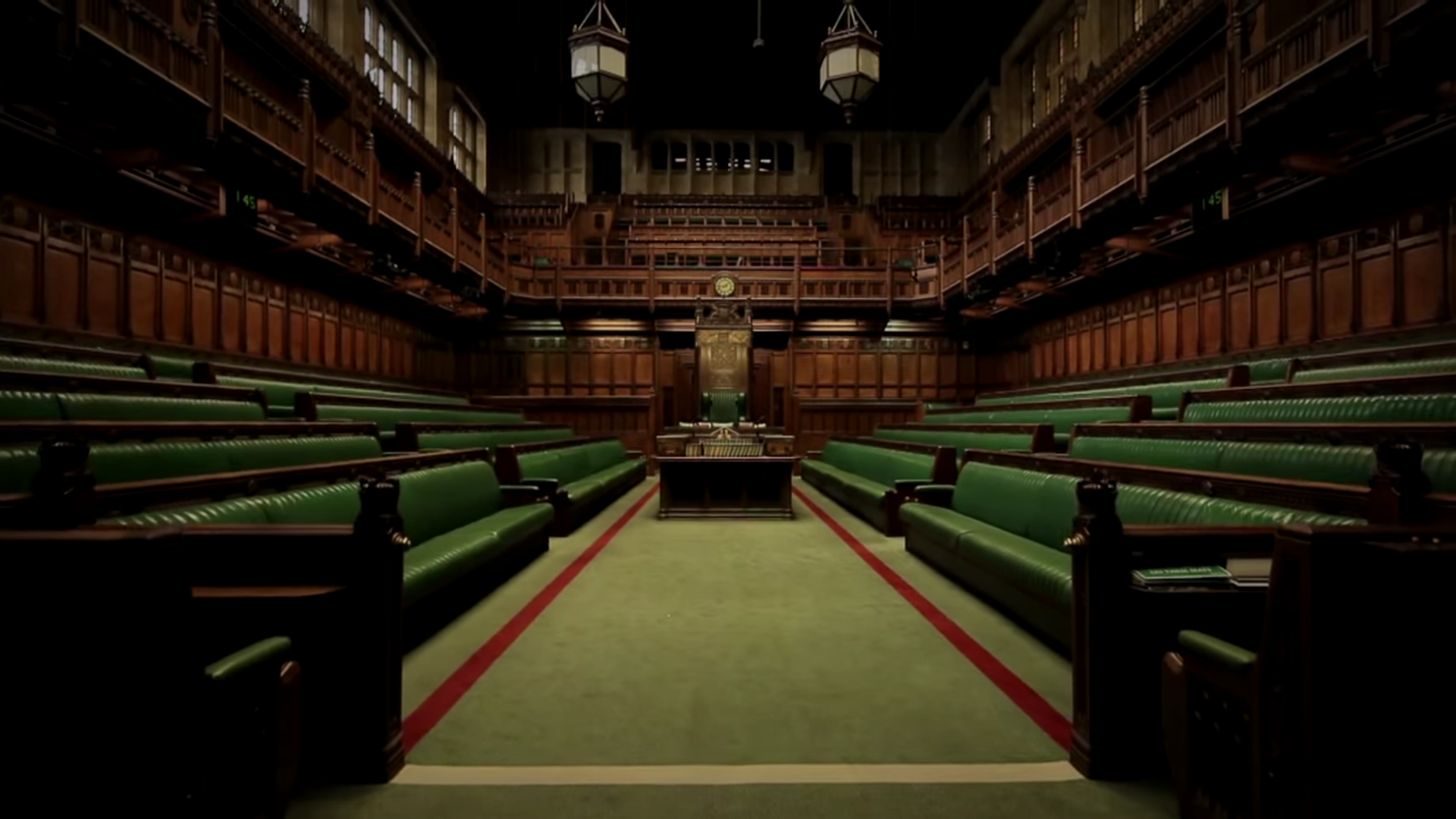
Andy Burnham became Britain's prime minister on 20 July 2026, following the resignation of Keir Starmer. He had been elected leader of the Labour Party earlier that month, without a contested final leadership ballot.
Under Britain's parliamentary system, a prime minister does not need to win a separate nationwide election to take office. The government draws its authority from its ability to command the confidence of the House of Commons. That is constitutionally established, but it does not eliminate questions about the political mandate for major changes.
Should decisions that could fundamentally reshape Britain's relationship with the European Union be accompanied by a wider public debate? Supporters say Burnham has a responsibility to improve the economy and strengthen international relationships. Critics argue that any substantial shift towards European integration deserves clearer democratic scrutiny.
Leaked documents reveal what Brussels wants
On 4 November, Sky News reported on leaked draft negotiating documents prepared ahead of the UK–EU summit. Among the proposals was a demand for Britain to make a financial contribution connected to participation in the European Union's internal electricity market.
The proposed contribution would support efforts to reduce economic and social disparities between EU regions. In simple terms, Britain could be asked to contribute money towards European regional development in exchange for closer access to an important European market. The draft did not establish a final amount, and it was not a completed agreement.
There could also be benefits. Electricity-market cooperation could make cross-border energy trading more efficient and potentially reduce costs. But that raises questions that negotiators must answer: How much would Britain contribute? How much would its energy companies and households save? Would the economic return justify the payment? Until the financial terms are published, nobody can reliably calculate the overall value of the arrangement.
Criminal deportations: A dispute that goes beyond economics
The leaked proposals also revealed a disagreement over Britain's plans to remove certain European foreign offenders to their home countries under arrangements linked to early prison release. According to Sky News, the EU draft sought to prevent the UK from proceeding with those removals under the proposed conditions.
A UK government source rejected the demand, making clear that London was not prepared simply to accept the draft language. This matters because leaked negotiating positions are not the same thing as agreed government policy. The details could change before the summit.
Nevertheless, the underlying questions deserve public attention. How should Britain protect public safety and manage prison overcrowding? What notice and information should receiving countries be entitled to? And should criminal justice disagreements become part of broader negotiations involving trade and energy? Neither side should avoid explaining how any compromise would work in practice.
Britain's struggling businesses cannot afford another disappointment
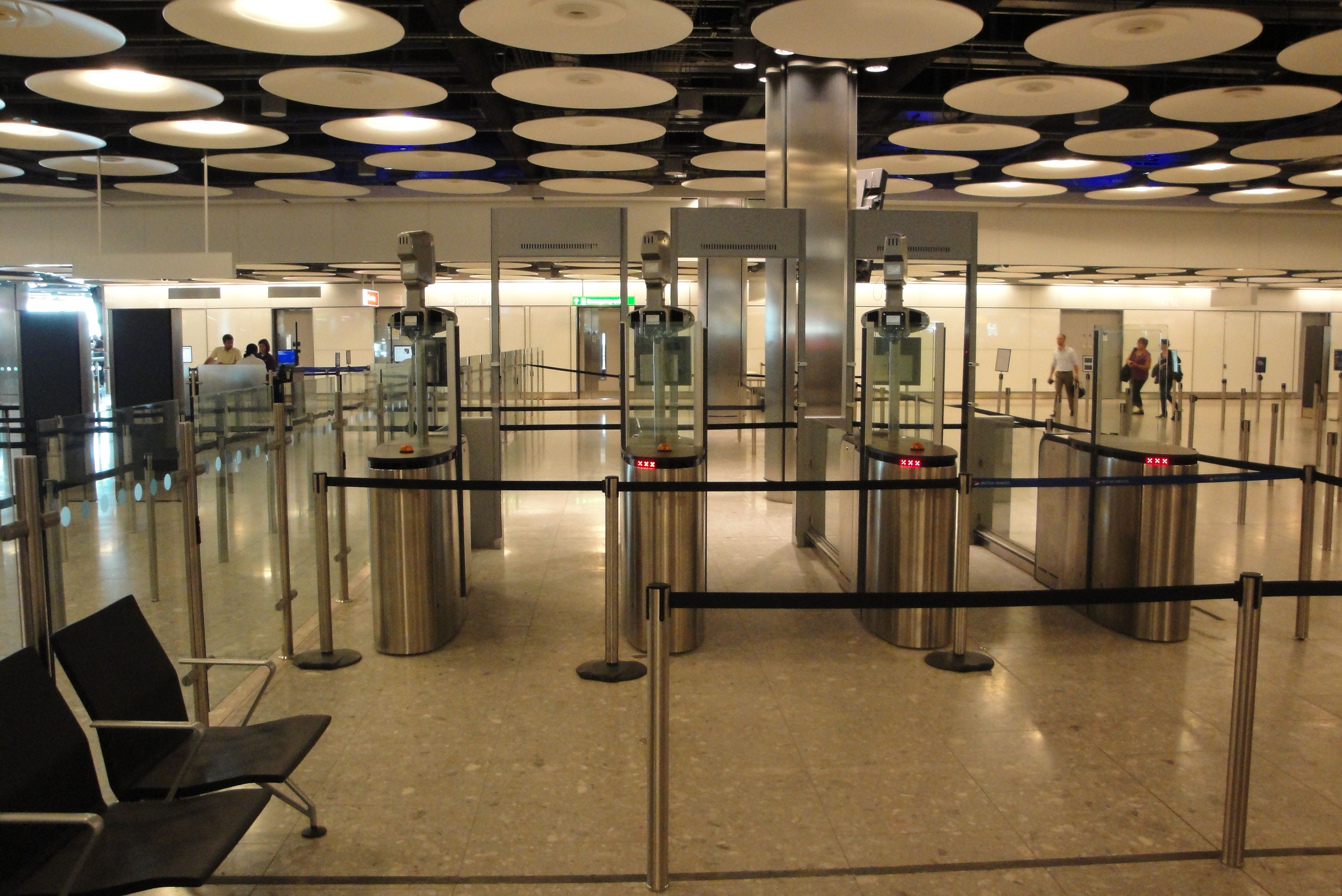
For years, Brexit has been discussed in terms of sovereignty, customs procedures and international agreements. But for many smaller companies, the consequences are more immediate: paperwork, border checks, delays and additional costs.
Burnham wants closer cooperation on food and agricultural products to simplify trade. The government argues that reducing barriers could support economic growth, lower costs for producers and benefit consumers. For a small farmer or an independent food manufacturer, even modest reductions in administrative costs could make a difference.
But there is another question. Will the benefits reach small businesses, or will larger corporations be best placed to take advantage of the new arrangements? Policymakers must also explain which European standards Britain would agree to follow, and how businesses would be supported during any transition.
Young people are being asked to live with decisions they never made
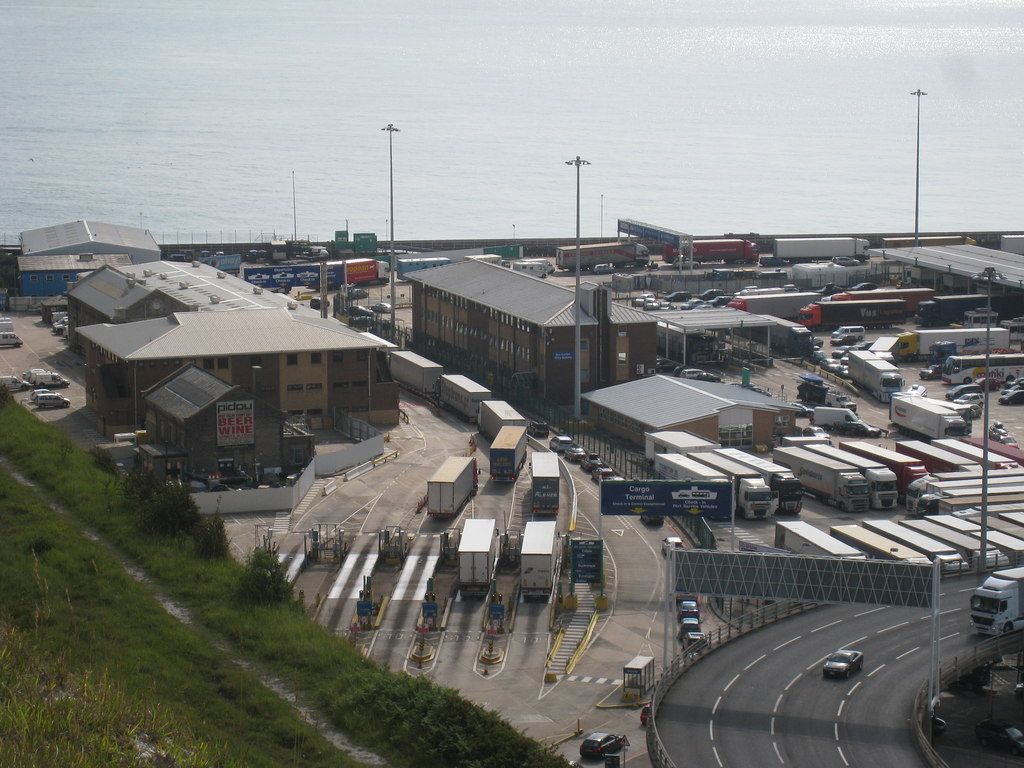
For many young Britons, Brexit is not something they voted for or against. It is the political and economic reality they inherited. The end of unrestricted freedom of movement changed opportunities to live, work and study across Europe.
The UK and EU are now negotiating a Youth Experience Scheme. The arrangement could allow eligible young people to spend a limited period living, working or studying across borders, subject to agreed conditions. It would not be the same as restoring full freedom of movement.
Yet accessibility must be part of the debate. Would young people from working-class families be able to afford participation? Would opportunities extend beyond university students and well-paid professionals? A successful programme should not simply create new experiences for those who already have financial advantages.

Has Brexit damaged the British economy?
The Office for Budget Responsibility, Britain's independent fiscal watchdog, continues to assume that the post-Brexit trading relationship will leave long-run UK productivity approximately 4% lower than it would have been under continued EU membership.
That figure is an economic estimate based on comparing different possible futures, rather than a direct measurement of money lost from every household. Britain also faces challenges involving housing, inflation, investment and public services that cannot all be attributed to Brexit.
But the estimate raises a legitimate question: If trade barriers have damaged economic performance, what practical changes could reverse the damage without reopening every aspect of the Brexit settlement? Equally, those advocating closer European integration should explain the financial and regulatory costs of their preferred arrangements.
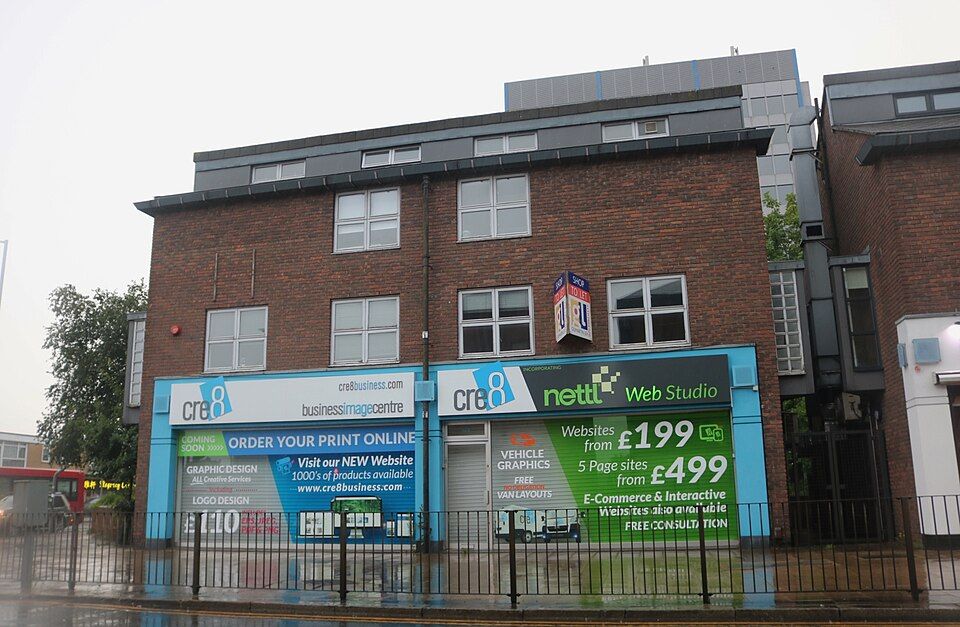
£750 million every week: Are we repeating the mistakes of 2016?
A newly launched campaign called Stay Out, backed by former Conservative minister Michael Gove, has warned that rejoining the European Union could cost Britain approximately £750 million every week — equivalent to £39.3 billion annually.
It is a striking figure, particularly when British families face continuing pressures on household budgets. However, the number is a campaign projection of potential gross contributions under hypothetical future EU membership, based on assumptions about the proposed EU budget. It is not an agreed bill, and it is not the cost of the November summit.
The figure also excludes money that might return to Britain through EU programmes and other economic effects. That distinction matters. During the 2016 referendum, the famous £350 million per week campaign claim was criticised for omitting important financial details. Why should the public accept another enormous weekly number without seeing the complete calculation?
Sovereignty still matters — but so does the price of separation
Former EU Brexit negotiator Michel Barnier has repeatedly defended the principle that access to the single market comes with obligations. Britain's desire for selected benefits must therefore be considered alongside the EU's insistence on maintaining common rules and fair conditions for its members.
For Britain, the dilemma is clear. Closer economic integration may reduce trade friction, but it could also involve financial contributions, common standards or additional oversight. Greater regulatory independence may preserve freedom to make national decisions, but differences between regulatory systems can increase trading costs.
Who gets the final say over the rules? How would disputes be resolved? Could Britain withdraw from an arrangement that failed to deliver? These questions are not obstacles to cooperation. They are essential to making sure an agreement is transparent and accountable.
The real test is what happens to ordinary people's lives
It is easy for politicians to speak about trade agreements, GDP forecasts and international partnerships. It is harder to explain what those words mean to a pensioner facing another electricity bill, a young person searching for their first job or a farmer trying to keep a family business alive.
The British government says it wants closer cooperation that delivers practical benefits. European leaders say they want a strong partnership built around shared interests. But promises of prosperity must eventually become measurable improvements in people's lives. An agreement should be judged against the costs it creates and the benefits it delivers.
And perhaps the most important question is this: Are both sides negotiating for the long-term interests of their citizens, or are they allowing the political arguments of the past to dominate the future? The answer will require more than a carefully worded summit statement.

Nearly ten years later, Britain deserves answers
In June 2016, approximately 17.4 million people voted to leave the European Union, while around 16.1 million voted to remain. The result changed Britain's future and left a political debate that continues to divide public opinion.
On 20 November 2026, the leaders meeting in Brussels will have an opportunity to clarify the direction of the UK–EU relationship. The summit will not itself mean that Britain is rejoining the EU, nor will a negotiating draft automatically become law. But the choices made could influence economic cooperation and the wider political debate for years.
The public deserves to know what Britain will pay, what it will receive, which rules it will follow and how success will be measured. These are the questions that should shape the debate, rather than another contest of political slogans.
What do you think?
Was Brexit an economic mistake, or is protecting Britain's independence worth the additional trade costs?
Should Britain move closer to the European Union, remain firmly outside its institutions, or seek a compromise that preserves political independence while reducing economic barriers?
Share your views in the comments.
Rodaportal — Independent news, analysis and the questions that matter.