A theory, not a settled description
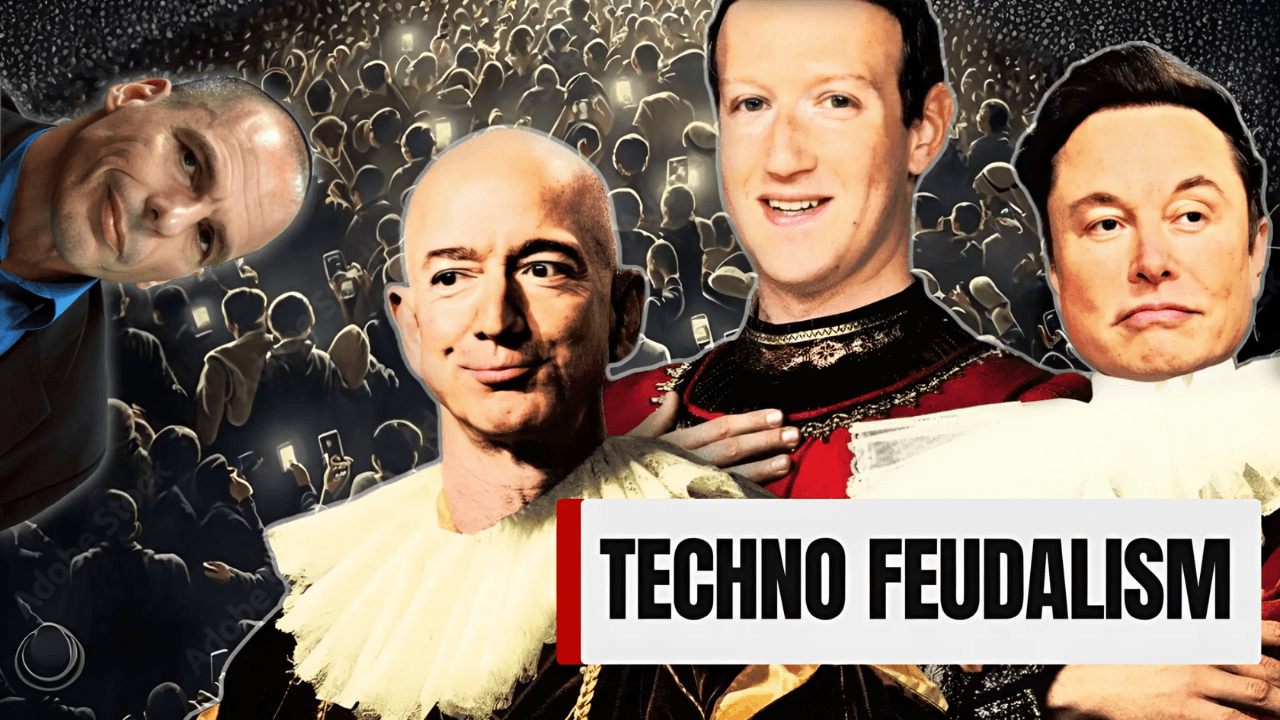
“Techno-feudalism” is a term used by economist Yanis Varoufakis for his argument that large digital platforms have changed capitalism. He contends that companies controlling cloud services, marketplaces and digital infrastructure can collect rents and shape access in ways that resemble feudal dependence. This is an interpretation of economic change, not a universally accepted replacement for the term capitalism.
What the argument points to
Digital platforms can connect businesses to customers and reduce some costs, while also creating dependence on a small number of services. A platform may set rules for visibility, fees, data access and account use. For small firms, switching can be costly if customers, tools or records are tied to one provider.
The OECD describes both opportunities and risks in the digital transformation of small and medium-sized businesses, including reliance on external platforms and the challenges of concentration. These issues can be studied without accepting the “feudalism” analogy: market concentration, bargaining power and platform governance are measurable questions.
Where economists disagree
Critics of Varoufakis’ thesis argue that digital companies still operate within capitalist markets, compete for investment and earn profits through familiar mechanisms. Supporters say that control of digital infrastructure and user networks creates a new kind of power. The disagreement is partly about terminology and partly about whether platform rents represent a structural break or an extension of existing capitalism.
The central questions are concrete: how concentrated is a market, how easily can users switch, who controls data, and how do platform rules affect workers and businesses? The term “techno-feudalism” is best introduced as a provocative framework for those questions, with its author and critics clearly identified.