
A contested political label
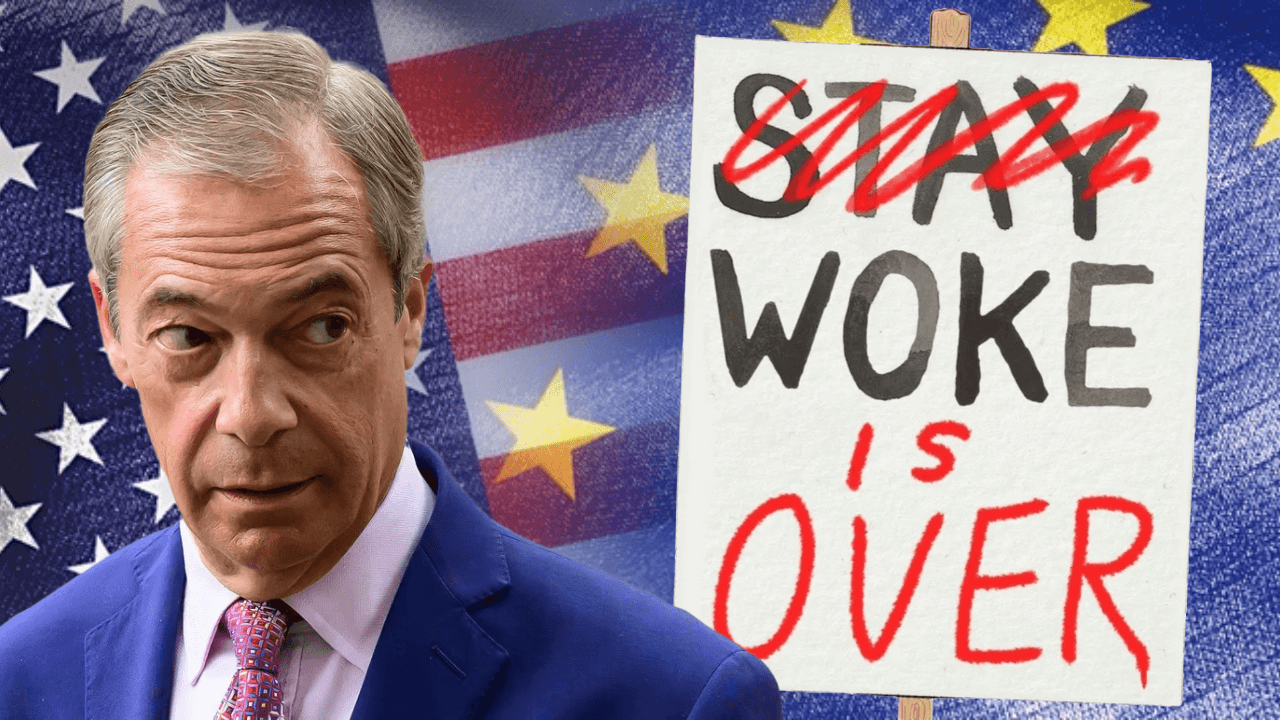
“Woke” began as a term urging awareness of racial injustice and has since become a contested label in political debate. People use it in different ways: some as praise for attention to discrimination, others as criticism of progressive policies or speech norms. Because the meaning changes with speaker and context, it is more precise to describe the policy or argument than to treat “woke” as a single, settled programme.
Why the debate became prominent
Disputes over school curricula, diversity programmes, speech, gender and historical memory have become visible in U.S. politics. Pew Research Center’s 2024 election survey examined several cultural issues that it grouped within a broader “culture war” discussion. The survey measured U.S. attitudes; it should not be presented as proof of a uniform Western movement or a single public consensus.
Supporters of equity and inclusion policies argue that institutions should address barriers and unequal treatment. Critics argue that some programmes may restrict open debate, rely too heavily on group identity or produce unfair outcomes. Those are competing positions. Their merits depend on the policy design, evidence and legal context, rather than the label attached to them.
How to assess claims
A useful assessment asks what a policy actually requires, who is affected, what evidence supports it and what safeguards exist for disagreement. A proposal to change a university hiring process, for example, is different from a claim about censorship in schools. Specific examples make debate more informative and make it possible to check assertions.
The political conflict is real, but broad claims that “citizens” have all moved in one direction are difficult to substantiate. Public opinion varies by issue and country. The term is useful as a clue to political framing, but it is not a substitute for explaining the underlying dispute.