
INTRODUCTION
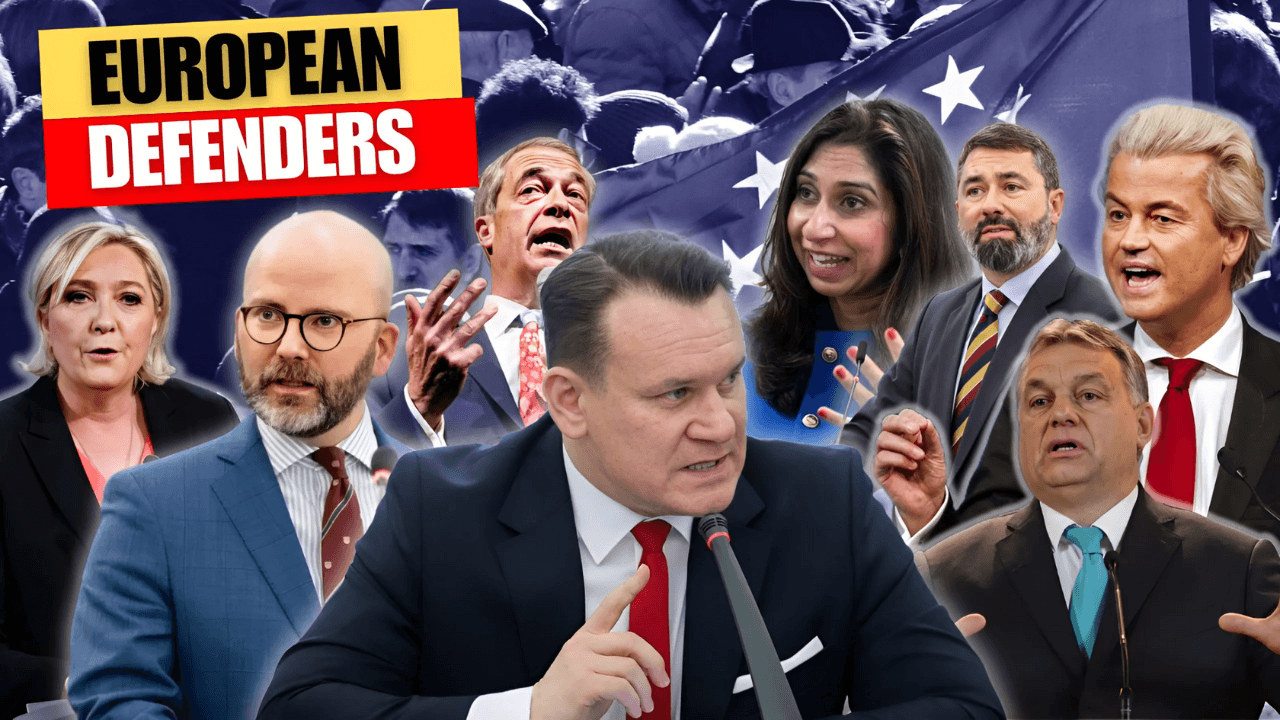
The issue of immigration has long been a contentious topic in Europe, with varying opinions and approaches. Advocates for stricter immigration policies come from diverse backgrounds, including members of the European Parliament and national politicians. While their perspectives differ, they share a common goal: addressing what they perceive as the detrimental effects of uncontrolled immigration on European societies. In this article, we explore the viewpoints of prominent figures who advocate for stricter immigration measures and the challenges they face.
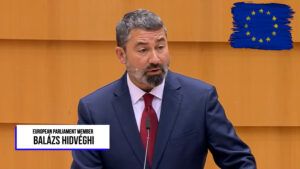
Balázs Hidvéghi: Warning Against Disintegration
Balázs Hidvéghi, another Member of the European Parliament, warns of the disintegration of European society due to illegal mass migration. He highlights the breakdown of European norms and the deterioration of public security as visible consequences. Hidvéghi’s advocacy centres on the need for a cohesive European response that balances compassion with practical measures.
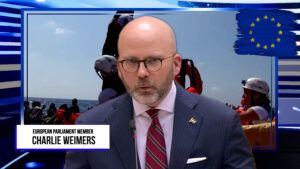
Charlie Weimers: Tangible Consequences of Mass Immigration
Charlie Weimers, a Member of the European Parliament, sheds light on the tangible consequences of mass immigration. He points to countries like Sweden, where gang violence has escalated into a pressing issue. Weimers challenges his colleagues to prioritize addressing the legal aspects of migration rather than engaging in political campaigns. His stance underscores the need for a comprehensive approach that considers both humanitarian concerns and national security.
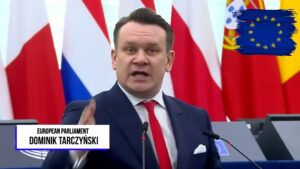
Dominik Tarczyński: Failures of Current Redistribution Policies
Dominik Tarczyński, another Member of the European Parliament, emphasizes the failures of current redistribution policies in deterring mass migration. He warns against replicating Sweden’s migrant problem and calls for a reevaluation of immigration policies. Tarczyński highlights the risk of overburdening welfare systems and the potential rise of Islamism across Europe. His advocacy centres on finding effective solutions that strike a balance between compassion and practicality.
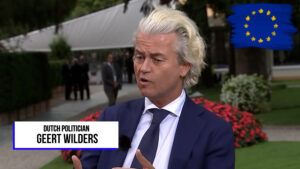
Geert Wilders: Identifying Threats to European Survival
Geert Wilders, a Member of the House of Representatives of the Netherlands, identifies mass immigration as one of the biggest threats to European survival. He points to the alarming rise of Islamism and violence resulting from uncontrolled migration. Wilders’ stance underscores the urgency of addressing immigration issues to safeguard European values and security.
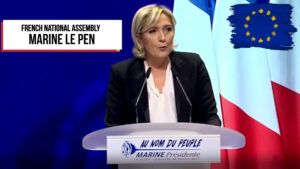
Marine Le Pen: Advocating for Stronger Borders
Marine Le Pen, Deputy of the French National Assembly, is renowned for her staunch stance against uncontrolled immigration. She advocates for stronger borders and stricter immigration policies in France. Le Pen’s unwavering commitment to national sovereignty resonates with those who prioritize security and identity.
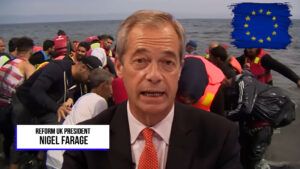
Nigel Farage: Blaming Lax EU Immigration Policies
Nigel Farage, Honorary President of Reform UK, places the blame squarely on the EU’s lax immigration policies. He cites catastrophic consequences, including rising crime rates in countries like Germany. Farage criticizes the EU’s handling of the migration crisis and advocates for conservative leadership to “make Europe great again.” His call for stronger borders and stricter enforcement resonates with those who prioritize national interests.
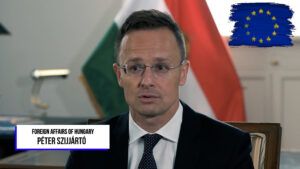
Péter Szijjártó: Advocating for National Sovereignty and Security
Péter Szijjártó, Hungary’s Minister of Foreign Affairs and Trade, staunchly defends Hungary’s right to determine its immigration policies. He prioritizes national sovereignty and emphasizes securing Hungary’s borders to maintain public safety. Szijjártó also shares concerns about the impact of uncontrolled migration on Hungary’s cultural identity. Despite criticism, he remains committed to safeguarding Hungary’s interests within the European Union.
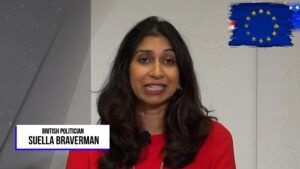
Suella Braverman: Integration and Multiculturalism
Suella Braverman, a Member of Parliament of the United Kingdom, echoes concerns about inadequate integration and the failure of multiculturalism in Europe. She emphasizes the importance of immigrants integrating into European societies and adopting the values of their host countries. Braverman’s perspective highlights the role of cultural assimilation in fostering social cohesion.
Viktor Orbán: Defending National Sovereignty and Cultural Identity
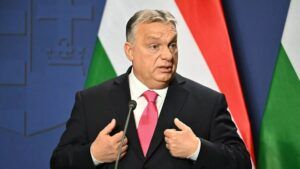
Viktor Orbán, the Prime Minister of Hungary, has been a vocal advocate for stricter immigration policies within the European Union. His stance centres on preserving national sovereignty and cultural identity.
Orbán firmly believes that each nation has the right to determine its immigration policies without external interference. In his view, Hungary should have the autonomy to protect its borders and decide who enters the country. He emphasizes the importance of securing Hungary’s boundaries to maintain public safety and stability.
Beyond security concerns, Orbán expresses worry about the impact of mass immigration on Hungary’s cultural fabric. He argues that uncontrolled migration could dilute Hungarian traditions, values, and language. His government has taken steps to promote a strong sense of national identity and cohesion.
Despite criticism from human rights organizations and some EU leaders, Orbán remains steadfast in his commitment to protecting Hungary’s interests. His policies have sparked debates both within Hungary and across Europe, highlighting the complexity of addressing immigration challenges while respecting human rights and dignity.
Conclusion
The debate over stricter immigration policies in Europe remains multifaceted. While these advocates propose varying solutions, they collectively emphasize the need for stronger borders, stricter enforcement of immigration laws, and better integration of immigrants into European societies. Finding a delicate balance between humanitarian concerns and national interests remains a complex challenge for European policymakers. As Europe grapples with migration, thoughtful dialogue and evidence-based decision-making are crucial to shaping a sustainable future.
Watch them in Action here: