
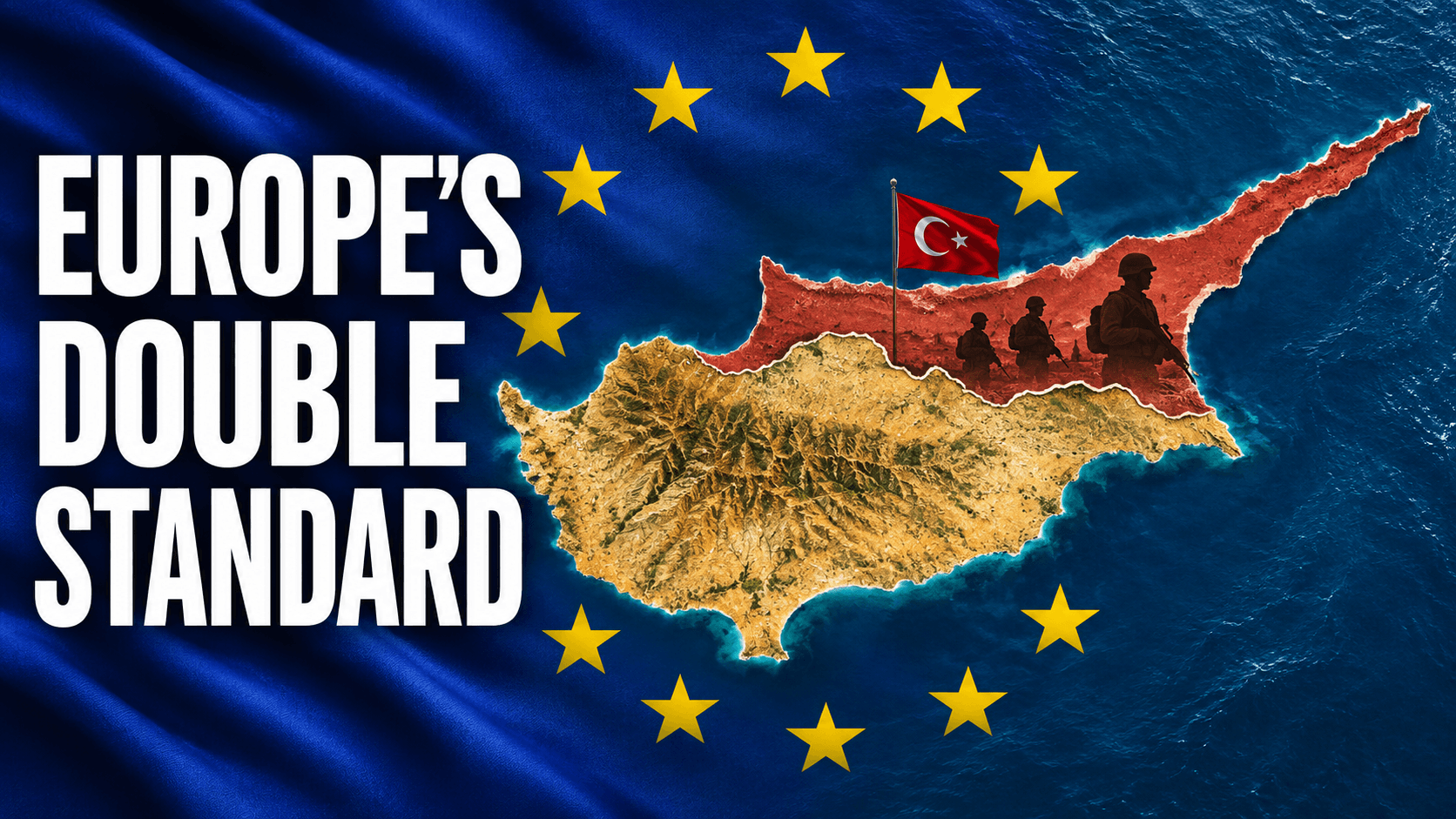
Titina Loizidou owned land in Kyrenia, on the northern coast of Cyprus. After 1974, she could no longer use it. She took Turkey to the European Court of Human Rights and won. The judges found that Turkey exercised effective overall control in the north and was responsible for denying her the enjoyment of her property.
A woman had to go to Strasbourg to establish who was responsible for keeping her from land that was already hers.
Three conflicts. Three European responses.
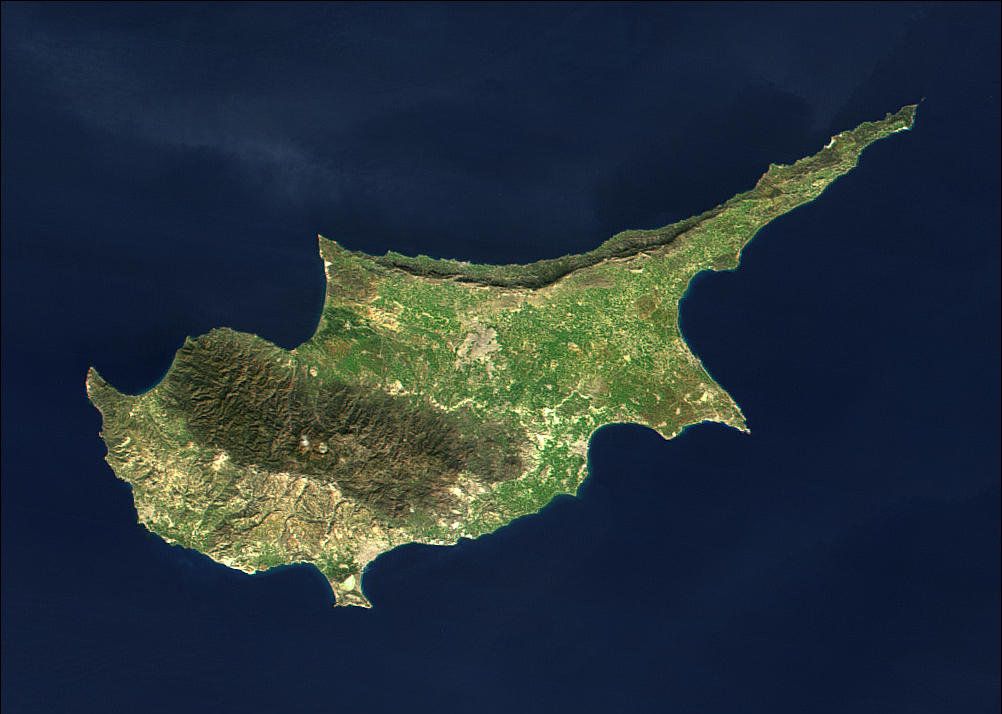
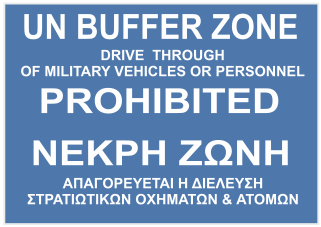
On this day in 1983, the UN Security Council declared the attempted secession of northern Cyprus legally invalid. Forty-three years later, Cyprus belongs to the European Union and Turkey still occupies about 36% of the island. For a displaced family, the distance between having a recognised right and being able to exercise it can stretch across a lifetime.
After Russia launched its full-scale invasion of Ukraine in February 2022, European governments restricted access to technology and finance and immobilised Russian central-bank assets. By the end of 2025, EU institutions and member states had provided approximately €193.3 billion in combined support, including military assistance and help for refugees in Europe. The money accumulated over years. The decision to act came quickly.
Palestine tells a different story. In April 2025 the European Commission announced up to €1.6 billion for Palestinian recovery and resilience over three years. In July 2024 the EU had sanctioned five individuals and three entities over settler violence or efforts to block aid to Gaza. Palestinian families know how international assistance can arrive while an injustice endures.
In 2019 the EU created a framework to sanction people and organisations involved in Turkey’s unauthorised drilling in the eastern Mediterranean. It extended the framework until 30 November 2026 with nobody on the list. The measure concerned drilling and imposed no economic penalty for the occupation itself.
Ukraine deserved Europe’s help. Palestinian civilians deserve protection. What Cypriots question is how little European governments have been willing to demand of Ankara.
What Turkey owes Cyprus and Greece
An honest account of 1974 begins with the coup backed by the military junta in Athens. Greece owes Cyprus a reckoning for that act. Turkey invaded five days later. Acknowledging what Athens did gives Ankara no permanent entitlement to Kyrenia.
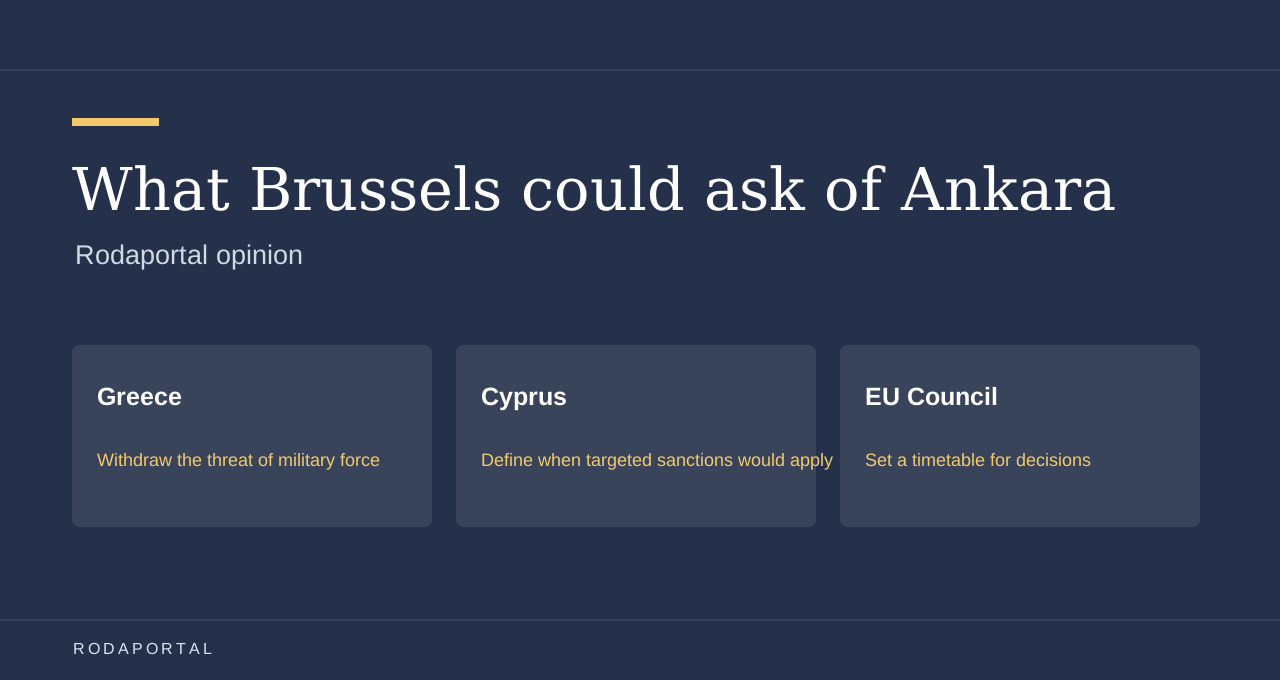
On 8 June 1995, Turkey’s parliament authorised its government to use military means if Greece extended its territorial waters beyond six nautical miles in the Aegean. Greeks call this Turkey’s casus belli. The Latin phrase means a cause for war. Ankara reserved the option of using force over a decision Athens considers its legal right.
Territorial waters are the belt of sea along a country’s coast where it exercises sovereignty. Greece points to the law of the sea, which allows a breadth of up to twelve nautical miles. Turkey argues that the Aegean’s many Greek islands make it a special case and that an extension would severely restrict Turkish access to the high seas. Ankara could defend that argument tomorrow and withdraw the military threat today.
Erdoğan demands justice for Palestine. What does he offer Cyprus?
On 13 May 2024, Greek Prime Minister Kyriakos Mitsotakis stood beside Recep Tayyip Erdoğan in Ankara and called Hamas a terrorist organisation. Erdoğan objected and called it a “resistance movement”. The Greek prime minister stated the EU’s position. The Turkish president publicly defended Hamas.
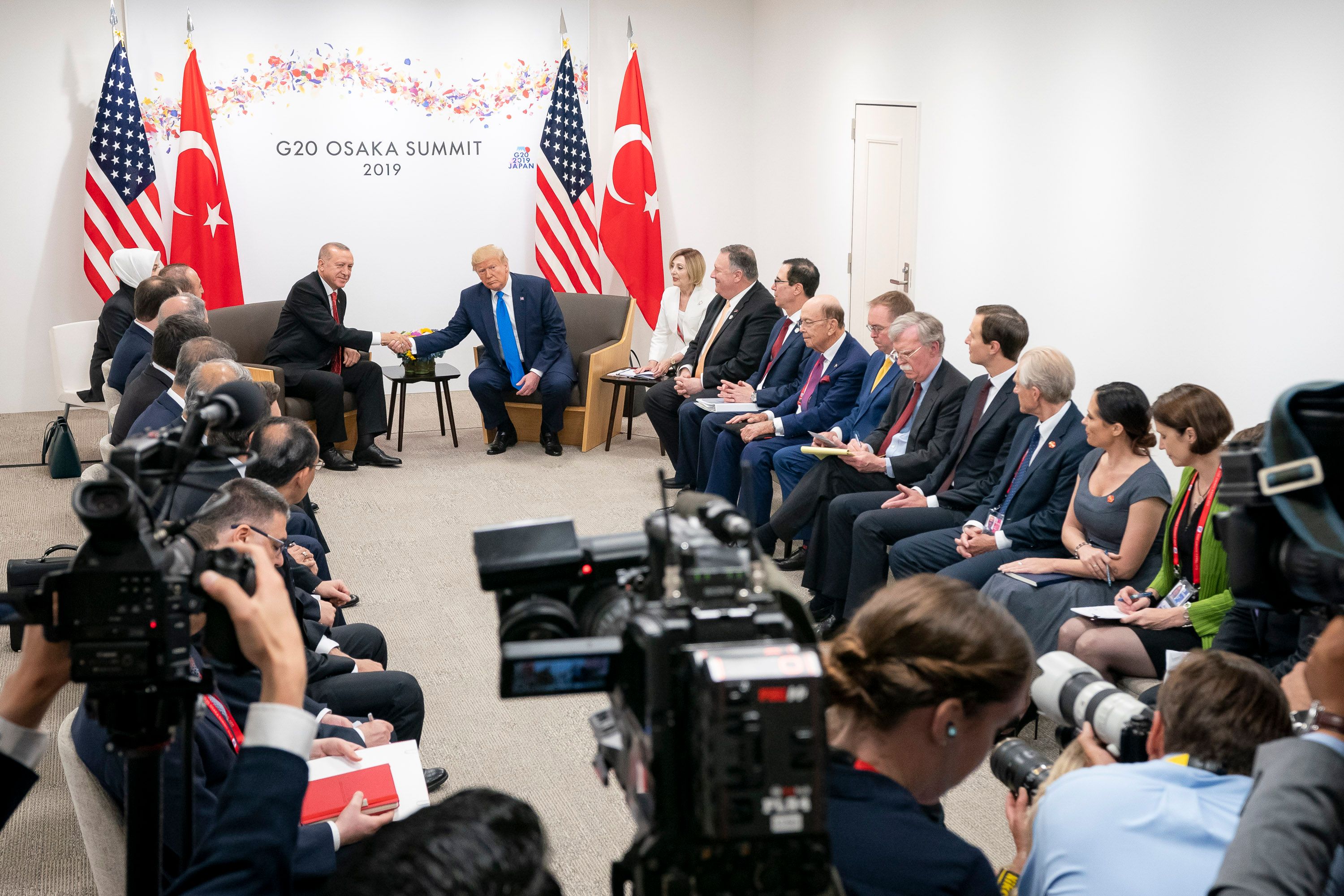
Erdoğan knew what had happened on 7 October 2023. Hamas-led attackers had killed civilians and taken hostages in Israel. On 25 October he told his party that Hamas was fighting for liberation. Palestinian civilians have every right to safety, freedom and a state of their own. Those rights give European leaders no reason to excuse Erdoğan’s political support for Hamas.
What Erdoğan calls a settlement
On 20 July 2024, fifty years after the invasion, Erdoğan went to northern Cyprus and declared a federal settlement impossible. He called for two states. Think what that asks of a family from Kyrenia. The country whose army took control of their town now wants the world to recognise the division that followed.
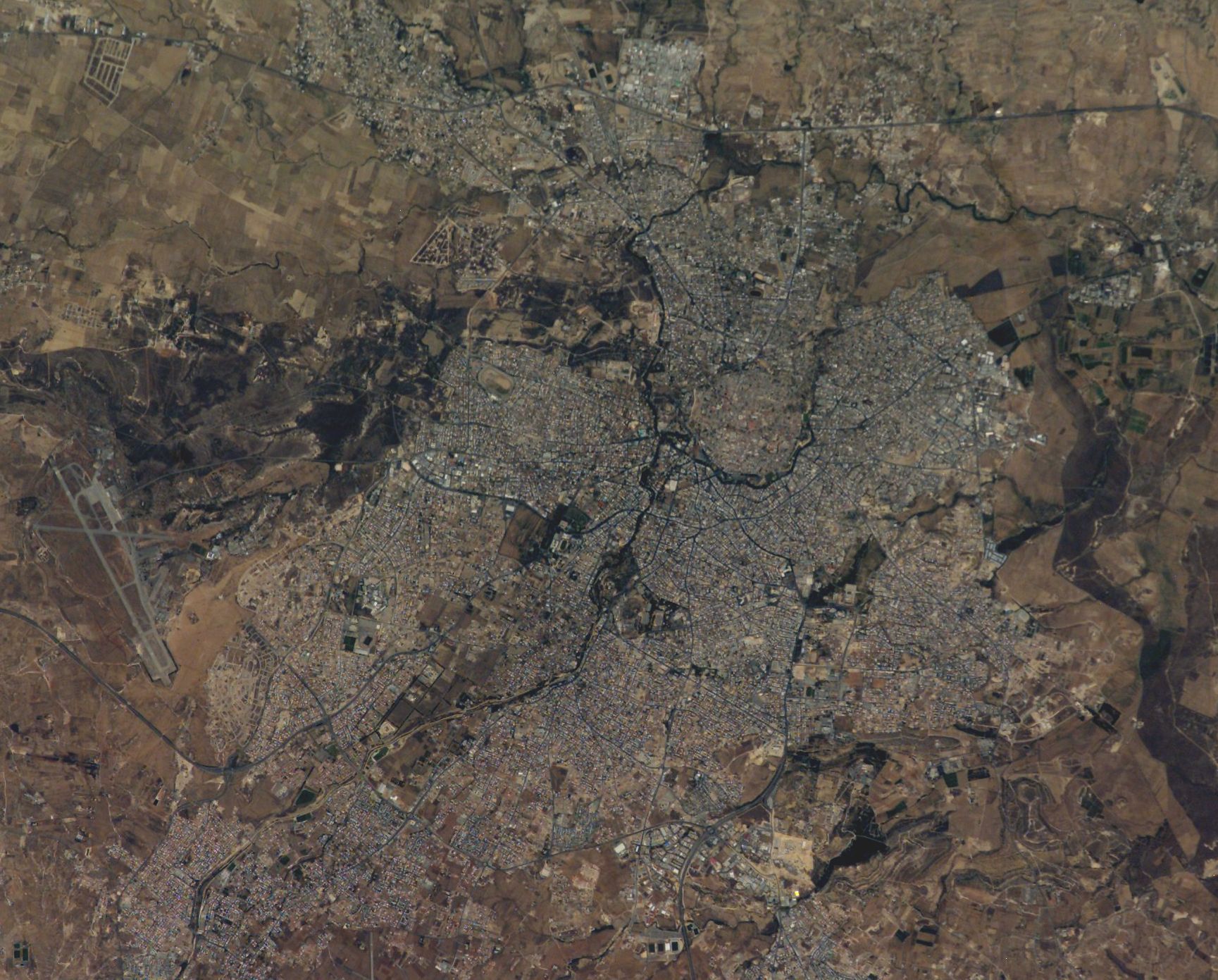
Erdoğan speaks of liberation in Palestine and seeks international recognition of partition in Cyprus. European leaders who meet him should ask him to explain that contradiction.
The authoritarian politics behind the speeches
There are grounds for calling Erdoğan’s rule dictatorial. Freedom House describes a president who has concentrated power, filled state institutions with loyalists and presided over mounting pressure on opponents and independent voices. Turkish citizens continue to vote and opposition politicians continue to win important elections. When European governments overlook repression to preserve a working relationship with Ankara, Turkish democrats also pay a price.
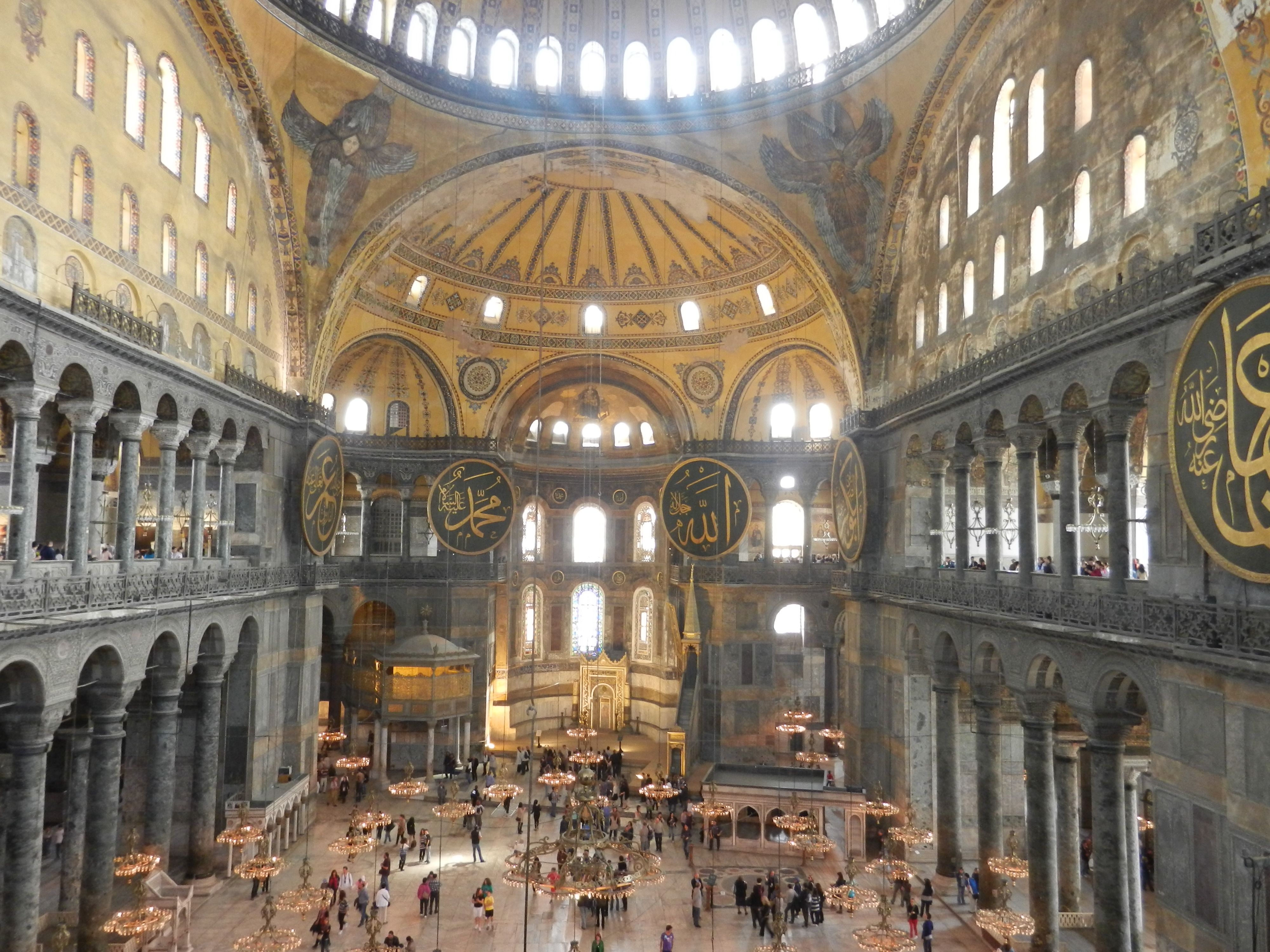
Erdoğan’s Islamist political agenda is visible in decisions he put his name to. Hagia Sophia was built as a Byzantine cathedral, used for centuries as an Ottoman mosque and opened as a museum under the secular republic. In 2020, after a Turkish court overturned the museum decree, Erdoğan ordered its return to use as a mosque.
In 2024, Istanbul’s former Chora church, renowned for its Byzantine mosaics, also reopened for Muslim worship after decades as a museum. Erdoğan defended the decisions as an exercise of Turkish sovereignty. His critics are entitled to ask whose history counted when he exercised that power.
Which European governments held back?
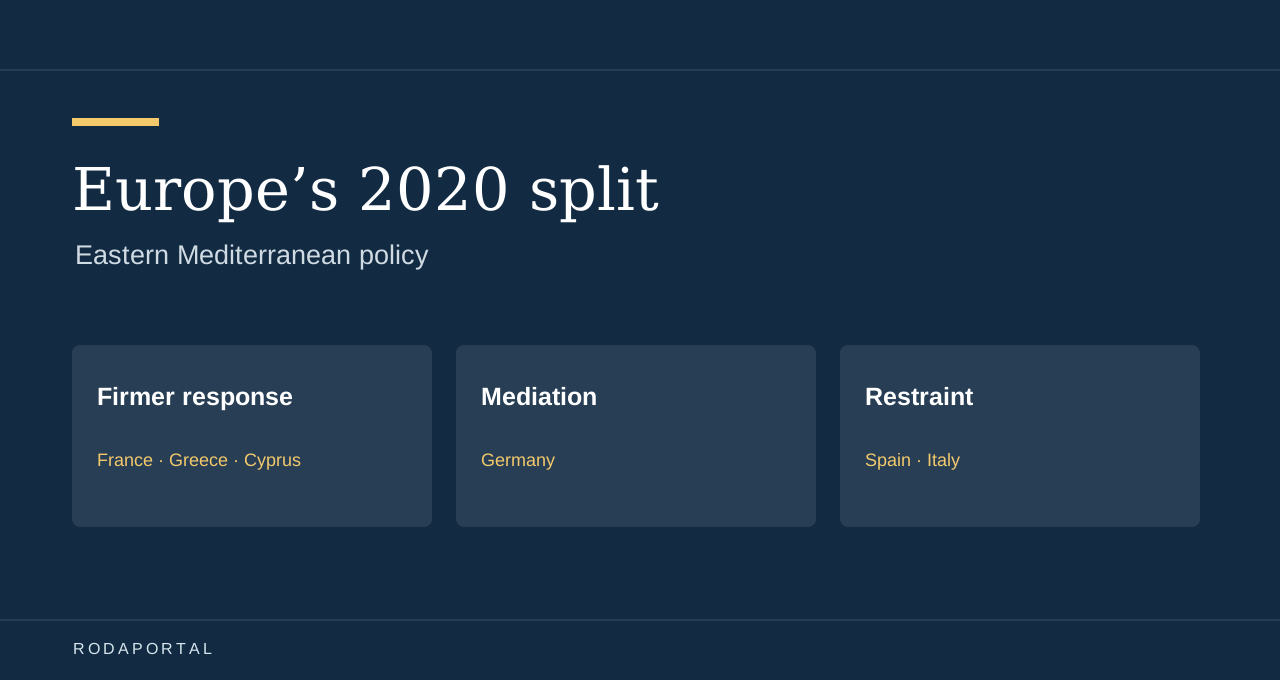
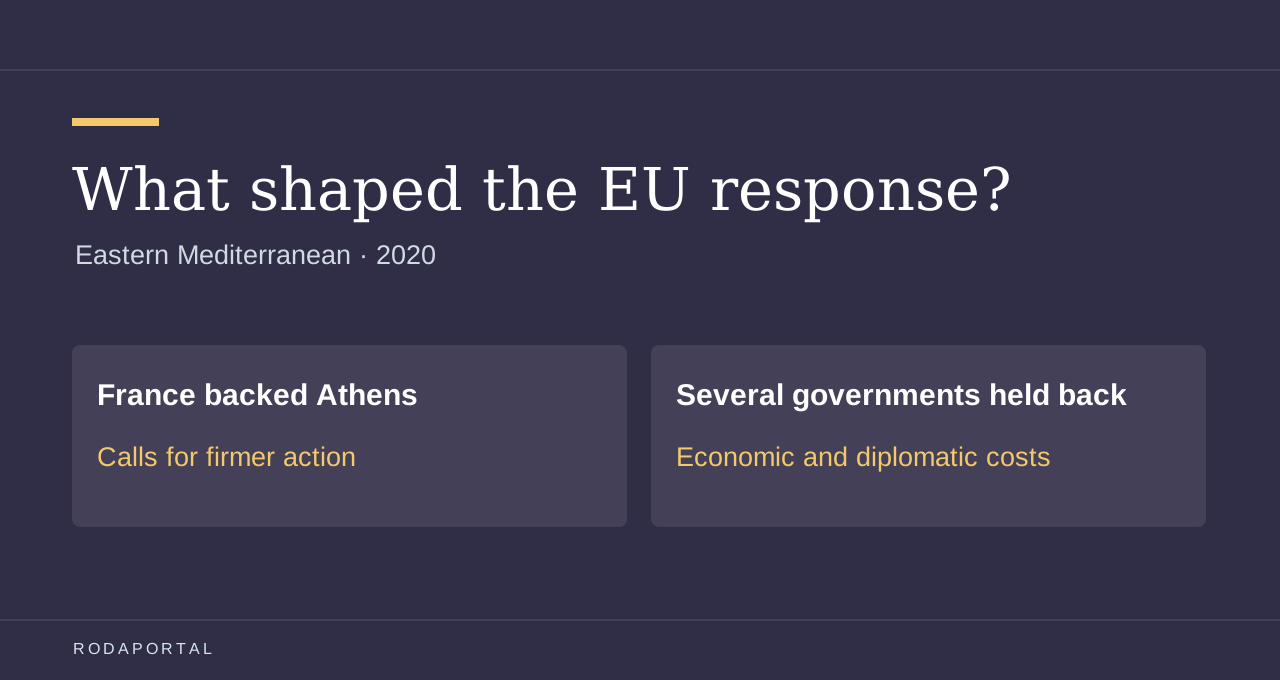
In 2020, France, Greece and Cyprus pressed for a firmer response over eastern Mediterranean exploration. Germany pursued mediation. Spain and Italy favoured restraint, concerned about economic interests and a confrontation in the Mediterranean. At the December summit, leaders prepared limited measures against individuals and put off harder choices. Asked about Greece’s call for an arms embargo, Angela Merkel pointed to further discussions with NATO allies.
Avoiding a military clash was a legitimate aim. What came after the danger passed? In April 2024, European leaders linked closer relations with Ankara to progress in Cyprus talks while directing officials to pursue cooperation in gradual, reversible steps.
Why the money keeps flowing
The EU’s original €6 billion Facility for Refugees in Turkey was committed to refugees and the communities hosting them. A refugee child bears no responsibility for the occupation of Cyprus. The political criticism belongs closer to home. By making Ankara’s cooperation part of migration policy, European governments gave themselves another reason to avoid a rupture.
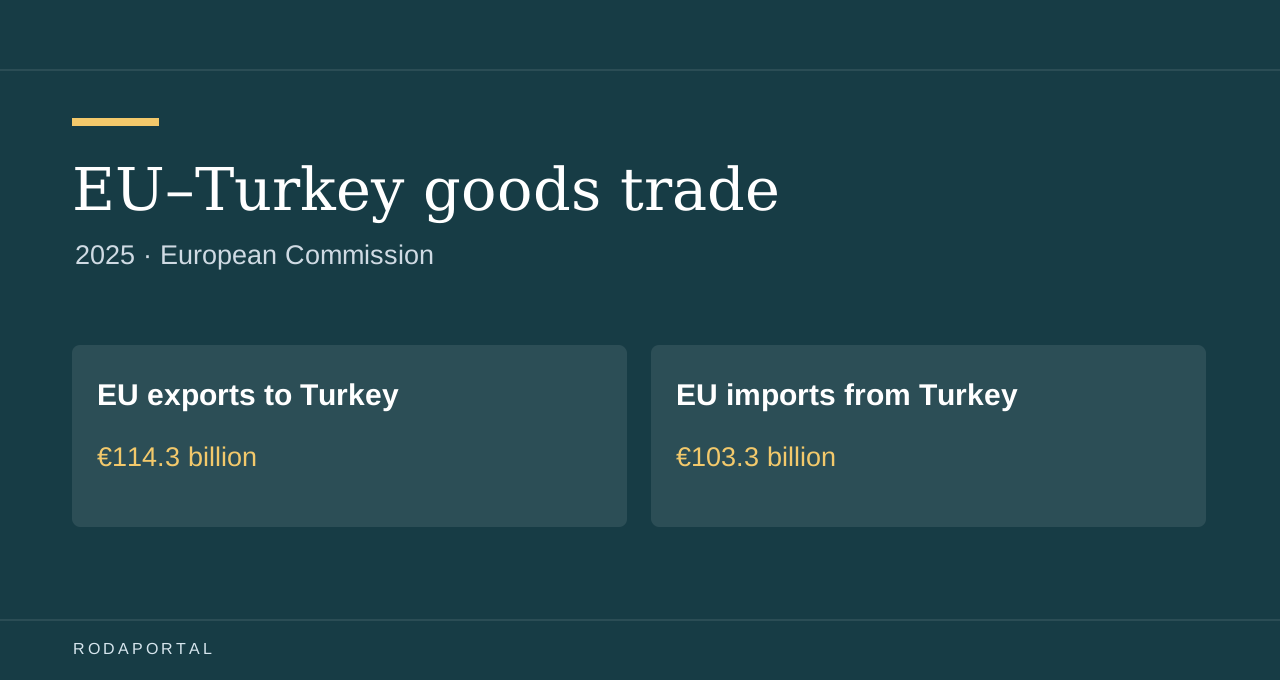
Private companies choose where to build factories, but governments shape the calculation. The EU–Turkey customs union removes tariffs and quotas on industrial goods within its scope. In 2025 Europeans sold Turkey €114.3 billion in goods and bought €103.3 billion back. Vehicles, machinery and electrical equipment led the trade in both directions.
Why not Bulgaria, Romania or Poland?
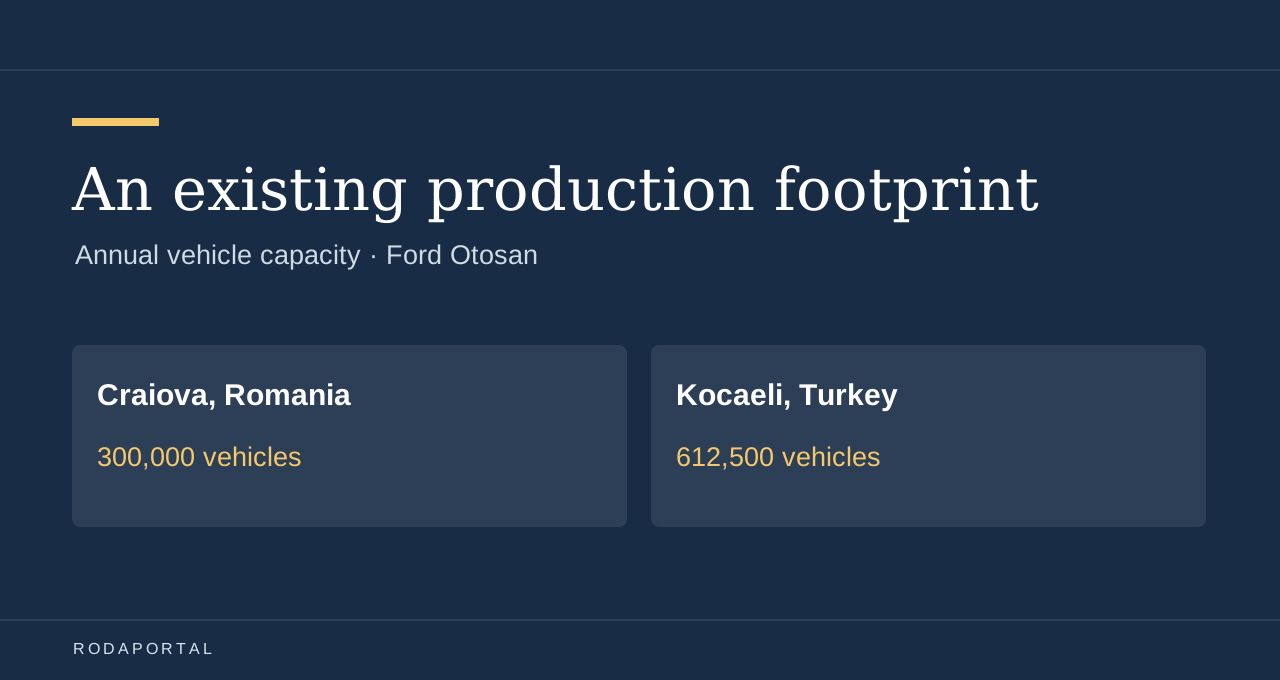
In 2025 average hourly labour costs were €12 in Bulgaria and €13.60 in Romania, the two lowest figures in the EU. Manufacturers do invest inside the Union. Ford Otosan reports annual capacity of 300,000 vehicles at Craiova in Romania alongside 612,500 at its Kocaeli plants in Turkey.
A wage comparison can help decide where to put the next production line. It cannot pick up an existing factory, its machinery and its supplier relationships and move them to Plovdiv, Craiova or Poland overnight.
The EU is Turkey’s largest goods trading partner. European leaders could attach clear conditions to any expansion of the customs union. Voters could then judge whether Ankara had met them. The Commission proposed modernising the arrangement in 2016. A Council negotiating mandate remains a political decision.
Is Europe afraid of a stronger Greece?
The public record gives little support to a European plan to keep Greece weak. France siding with Athens in 2020 is an obvious difficulty with that argument. The record points to a more ordinary explanation. Several governments feared the economic and diplomatic cost of confronting Turkey. Greece and Cyprus would bear much of the cost of restraint. Those governments chose restraint anyway.
Can a divided Cyprus bargain over its gas?
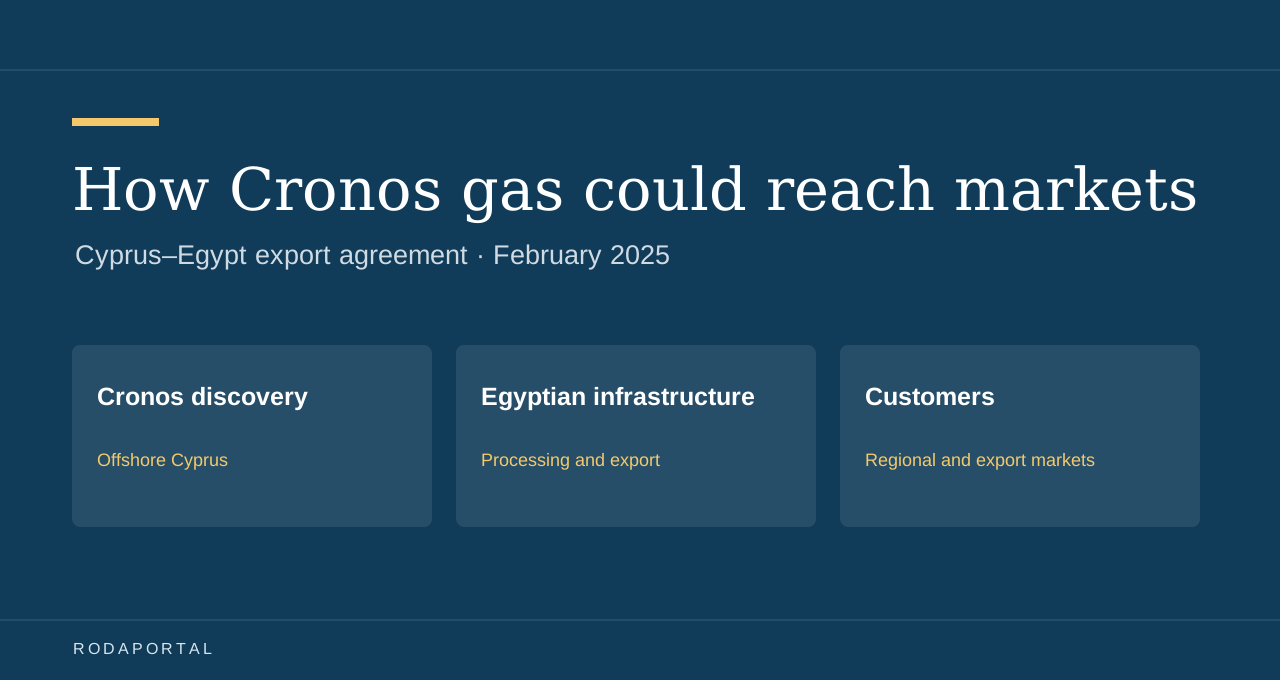
It already has. In February 2025, Cyprus, Egypt, Italy’s Eni and France’s TotalEnergies signed an agreement for development and export of gas from the Cronos discovery through Egyptian infrastructure. Nicosia had a seat at the table. The agreement also shows why a discovery alone gives a small country limited freedom. Getting gas to customers takes investment, processing facilities and an export route. The terms matter long after the cameras leave the signing ceremony.
Division can narrow a negotiator’s choices. A government facing contested drilling has more risks to manage. It is fair to ask whether a reunited Cyprus could strike a better bargain and how Greek Cypriots and Turkish Cypriots could share in the proceeds. The evidence does not establish that European governments preserve partition to buy gas cheaply. The documented charge is serious enough. They pursue commercial opportunities while Nicosia lives with the political risks of division.
The question Brussels owes every Cypriot
European leaders could tell Ankara publicly what improvement in relations would follow withdrawal of the threat against Greece. Then they could say what conduct over Cyprus would trigger targeted sanctions, who would assess it and when the Council would decide. Protect refugee support. Keep negotiations open. Give Turkey a reason to change course and Cypriots a way to measure progress.
On 18 November 1983 the Security Council gave a clear answer about the attempted partition. In Strasbourg, Titina Loizidou obtained a clear answer about her land. What Cypriots still want is a clear answer from their European partners.
When defending the rights of a member state begins to cost you something, what are you prepared to do?
Sources and image credits
UN Security Council · Resolution 541
European Court of Human Rights · Loizidou v Turkey
EU Council · Support for Ukraine
European Commission · Palestinian recovery programme
EU · Decision renewing drilling measures with an empty list
Athens · Territorial sea and casus belli
Ankara · Breadth of territorial waters
Reuters · Erdoğan defends Hamas alongside Mitsotakis
Freedom House · Turkey country report
European Parliament · Hagia Sophia
CIDOB · European governments and Turkey
European Commission · EU–Turkey trade
Eurostat · Hourly labour costs
Ford Otosan · Factory capacity
Image credits
Cyprus satellite view · NASA · public domain
UN buffer zone map · Andrikkos · public domain
Erdoğan at the G20 · Tia Dufour / White House · public domain