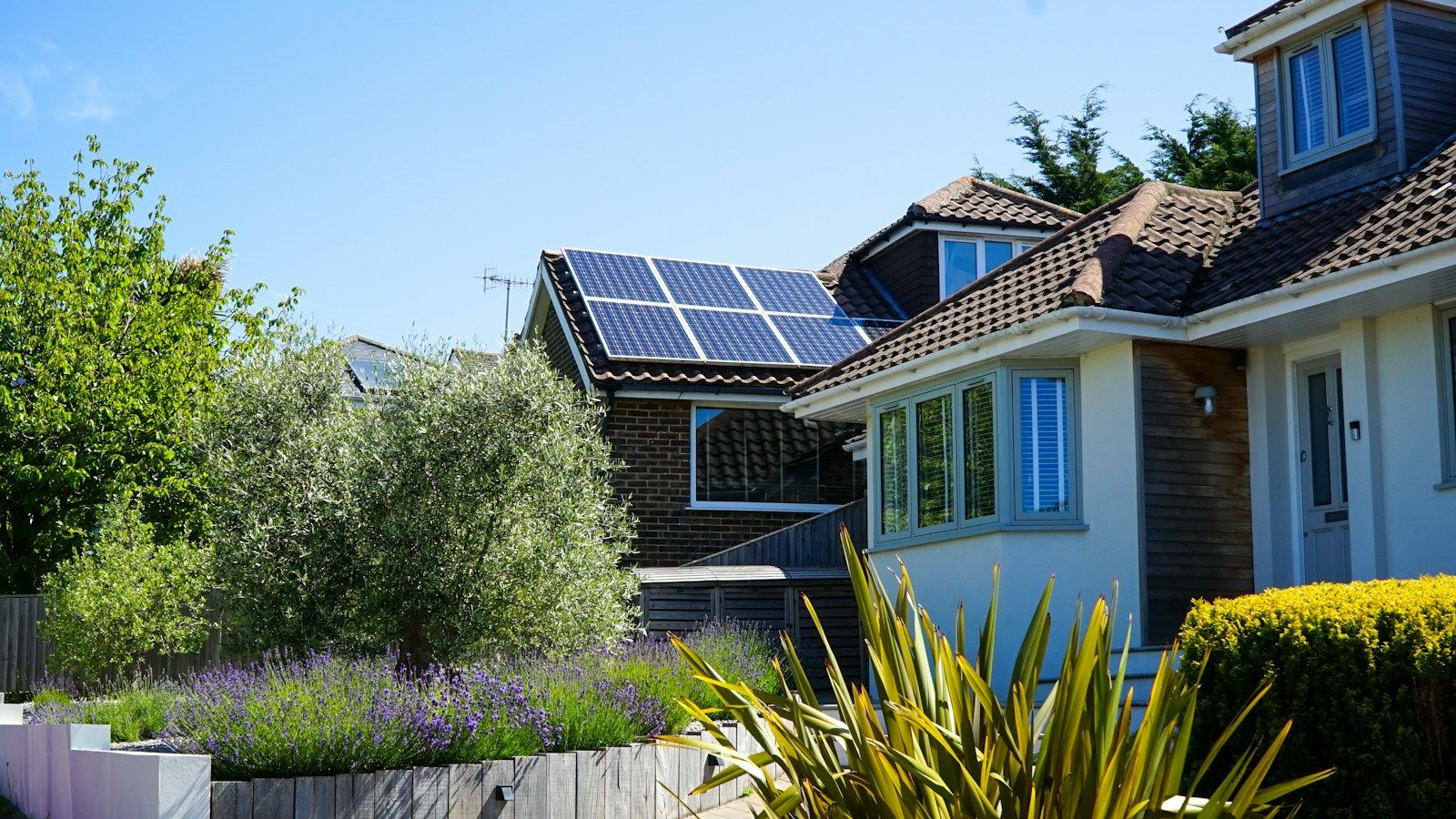
For a family already counting every euro, another increase in fuel or electricity prices is a threat to the weekly budget. It means less money for food, another postponed purchase for the children, another evening wondering which bill can wait. Governments announce relief packages with impressive figures and reassuring language. But a policy cannot be called a success simply because a minister announces it. It must make everyday life affordable.
Europe has faced successive energy shocks: Russia’s full-scale invasion of Ukraine in 2022, followed by the war involving Iran in 2026. Disruption to energy supplies and shipping has exposed households to decisions and destruction far beyond their control. The European Commission’s researchers explain that the latest shock also travels through transport, fertiliser and food costs. The same household can be hit at the petrol station, through its electricity bill and again at the supermarket. Source: European Commission Joint Research Centre
This crisis landed on a population that was already struggling. Eurostat’s 2026 living-conditions publication reports that 8.8% of people in the EU could not afford to keep their homes adequately warm in 2025, before the latest shock. In Greece, the figure was 18.1%. Those numbers describe an existing failure to secure a basic necessity. Governments should be judged against that reality whenever they describe their latest measures as sufficient. Source: Eurostat
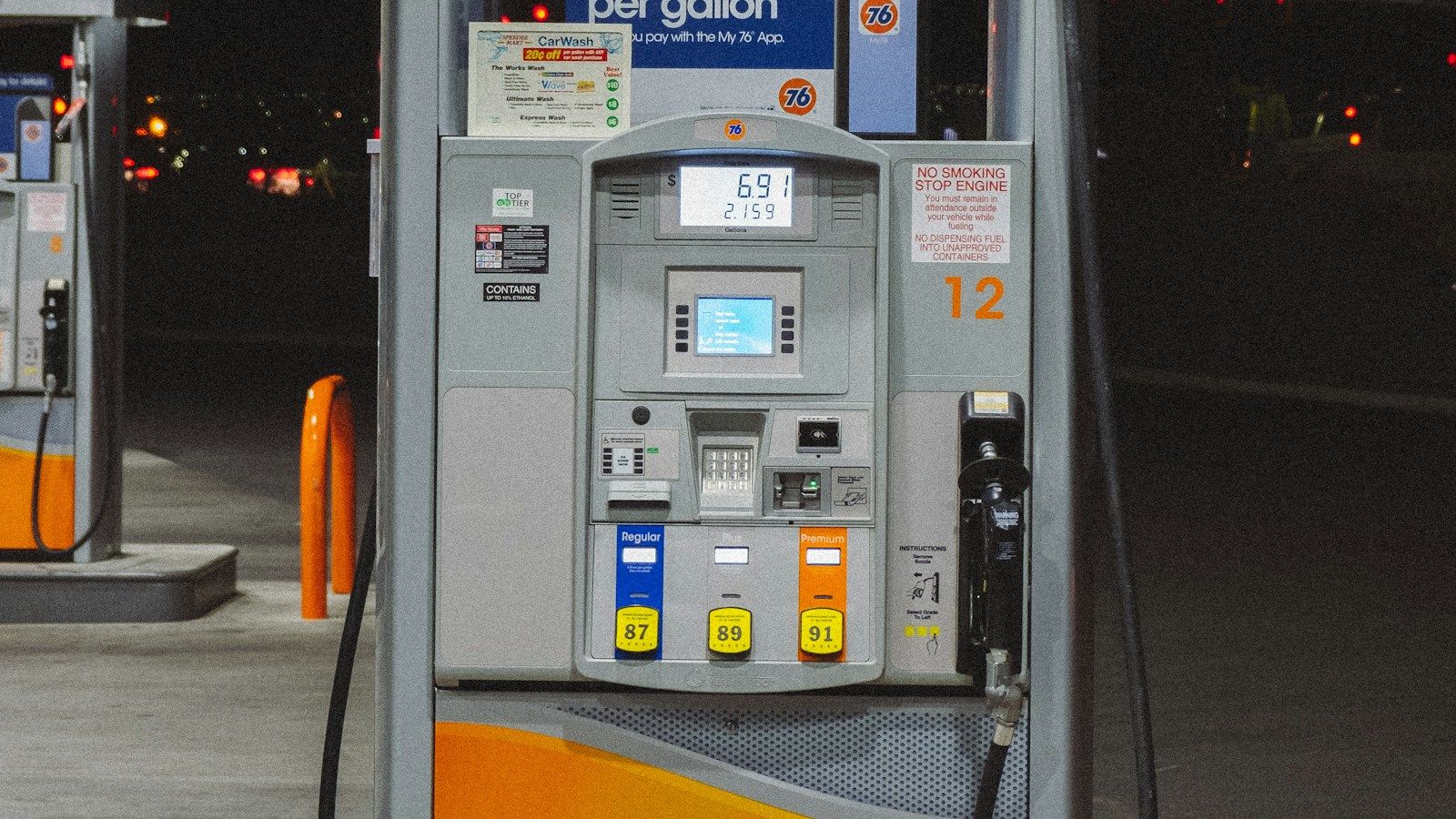
The burden is deeply unequal. In July, the Commission’s Joint Research Centre estimated that the poorest tenth of households faced additional expenditure equivalent to around 1.9%–2.5% of disposable income, compared with 0.8%–0.9% for the richest tenth, under the conditions analysed. These are modelled estimates, not a final measurement of November’s losses. But the warning is clear: people with the smallest financial cushion face the hardest squeeze. A wealthy household can absorb higher prices; a struggling household may already have nothing left to cut. Source: Joint Research Centre
The early response was modest beside the scale of the problem. In its May forecast, the Commission put newly adopted or credibly announced national support at €14.5 billion—0.07% of EU GDP, using a 4 May cutoff. That is an early snapshot, not the total spent throughout 2026; later packages increased support. Nevertheless, it shows how limited the initial commitment was. For households facing immediate bills, the difference between help promised later and money available today can be the difference between staying afloat and borrowing. Source: European Commission economic forecast
The same assessment found that three-quarters of the early support was not targeted, including broad reductions in fuel taxes. That does not mean nobody benefited. It means governments were spending much of the money without concentrating it on those in greatest need. A discount per litre also rewards higher consumption: someone buying more fuel receives more euros of relief. Meanwhile, a pensioner without a car may receive no direct benefit from that particular measure. Spending public money widely is not the same as protecting people fairly. Source: European Commission
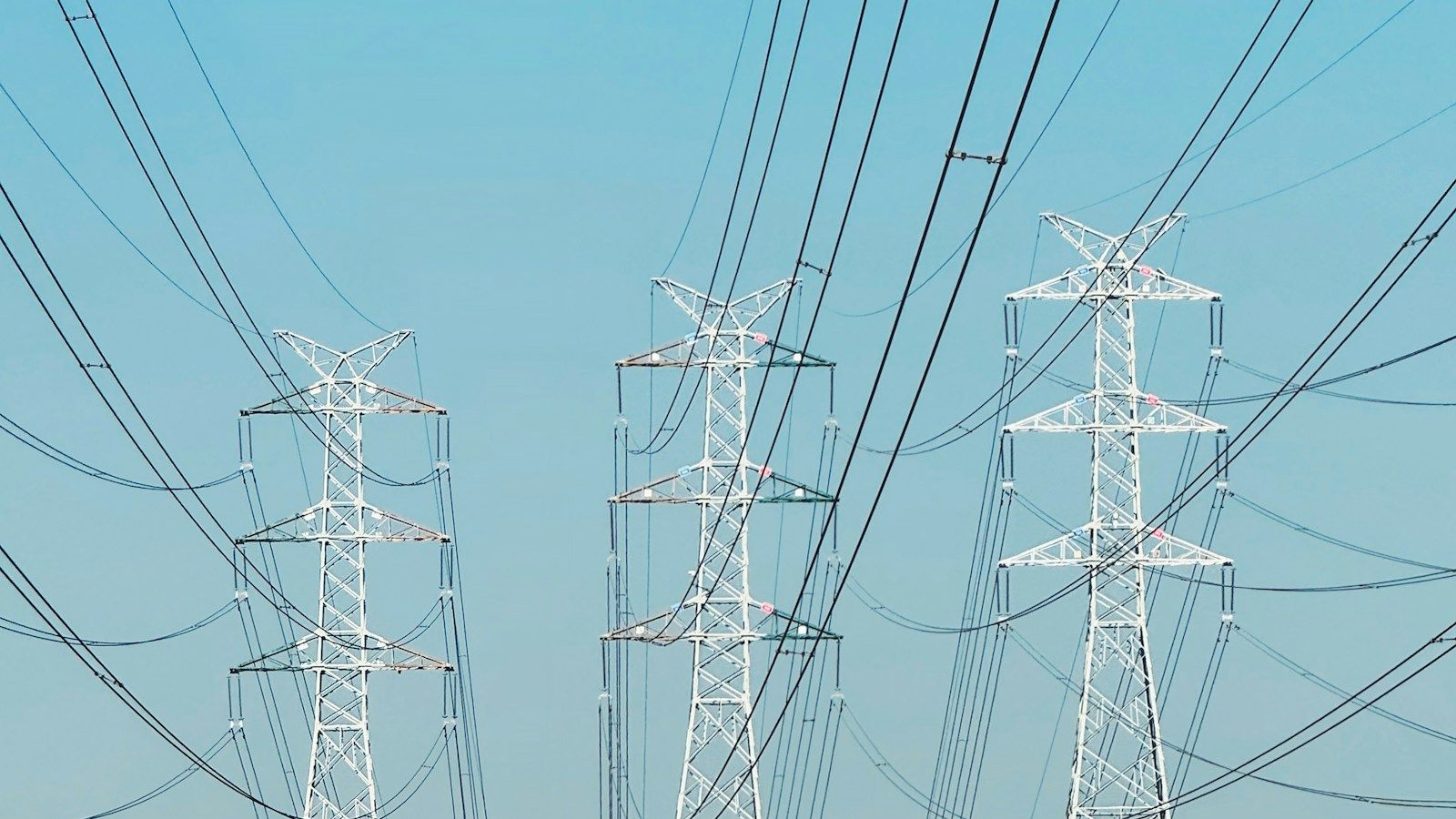
Germany offers an example of the gap between a national headline and a household saving. Its October-to-December fuel-tax reduction amounts to approximately 17 cents per litre including VAT, with an announced cost of about €2.5 billion. On a 50-litre purchase, that is €8.50, assuming the reduction reaches the customer in full. That saving matters. But it cannot pay an electricity bill or cover an entire grocery increase. Citizens are entitled to ask how much of their total loss a celebrated package actually replaces. Source: German Federal Government
Spain’s September package demonstrates that governments can intervene more substantially. It announced a cumulative budgetary commitment above €12 billion and continued fuel-tax relief, with scheduled reductions of 20 cents per litre in October, 13 cents in November and six cents in December. An automatic clause could restore the 20-cent reduction if prices rose sufficiently. These are concrete measures, deserving recognition. Yet the taper raises a difficult question: why should support shrink on a calendar if a family’s ability to pay has not recovered? Relief should follow household need and actual prices. Source: Spanish government, 29 September announcement
France announced €100 for eligible workers who drive substantial distances, covering October to December, with eligibility extended to 5.5 million people. Spread across three months, that is approximately €33 a month. The government also announced an increase in the tax-exempt ceiling for employers’ fuel payments to €1,000 a year. But permission for an employer to provide money is not a guarantee that an employee will receive it. This distinction matters whenever a large allowance features in a political announcement: a potential benefit is not cash in a family’s account. Source: French Finance Ministry, 22 September announcement
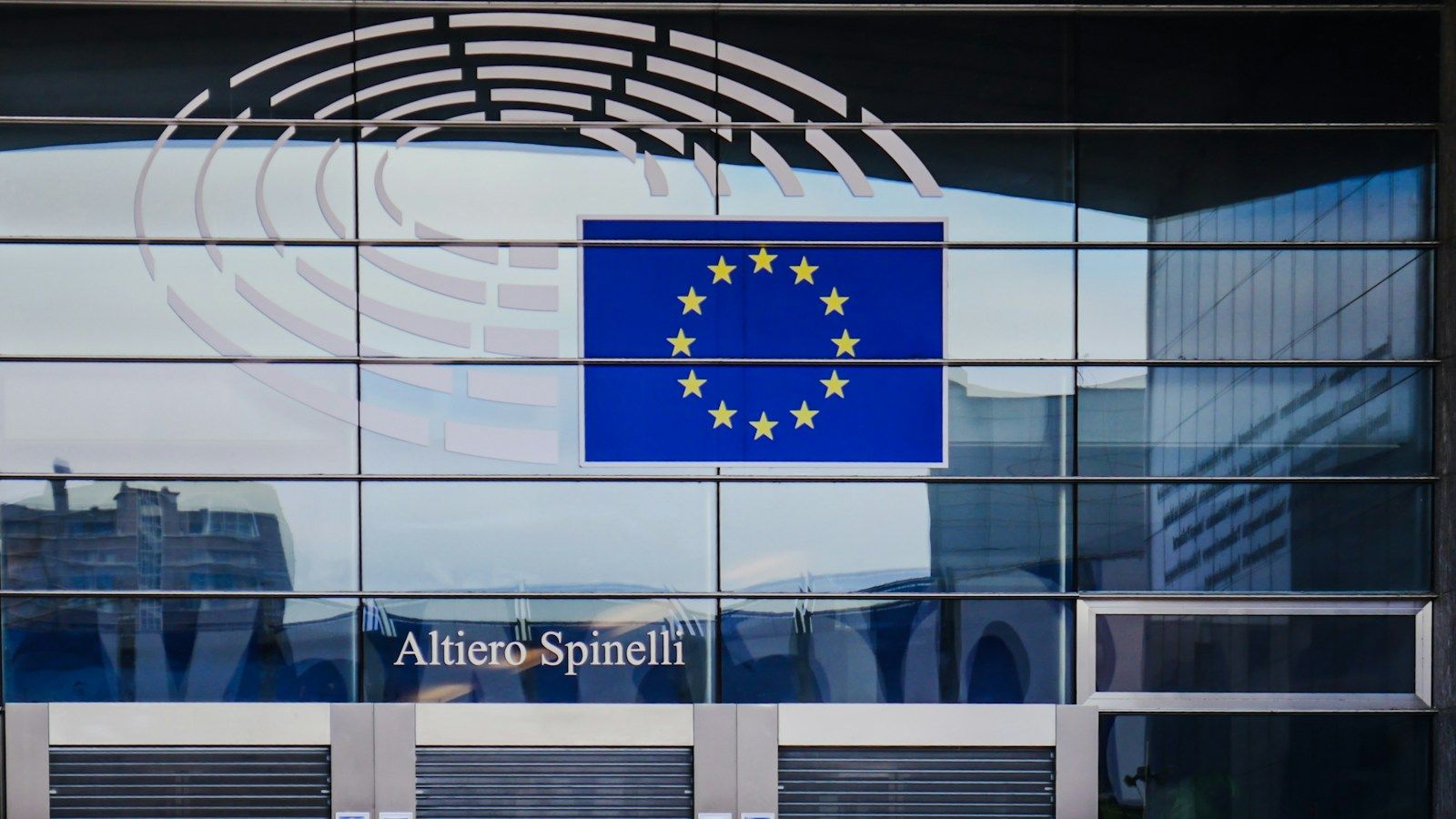
Public anger over corporate profits has a factual foundation. The International Energy Agency reports that global oil and gas producers received around US$4 trillion in net income in 2022, more than twice the average of recent years. That is a historical global figure, not a statement about every European company’s profits today. It nevertheless exposes the brutal imbalance an energy shock can create: households lose purchasing power while producers collect extraordinary income. Governments should explain why families must absorb such losses while exceptional gains escape an adequate contribution to relief. Source: IEA, World Energy Investment 2023
Supporting businesses can protect jobs, food supplies and essential services. That is a legitimate purpose. But citizens should demand conditions: publish the recipients, explain the need, prevent excessive payouts to shareholders while emergency aid is received, and recover support obtained improperly. Those are policy demands, not a claim that every current scheme lacks safeguards. Equally, the evidence cannot establish that every government acts solely to enrich wealthy people. The stronger accusation is about outcomes: leaders who leave households exposed while failing to scrutinise corporate gains are failing their citizens, whatever their intentions.
Tax policy provides an obvious test of seriousness. The IEA estimates that VAT and excise taxes represented 28% of the average EU household electricity price in 2025, and that reducing them to legal minimums would have lowered average prices by more than 16% in that year. Yet “remove every tax on fuel and electricity” is not a single switch every government can freely turn off: EU minimum rates and exemption rules matter, and fuel excise is separate from VAT. Governments should use available reductions, seek justified exemptions and explain remaining barriers clearly. Legal limits deserve precision; avoidable inaction deserves criticism. Source: IEA electricity analysis · European Commission energy-tax rules
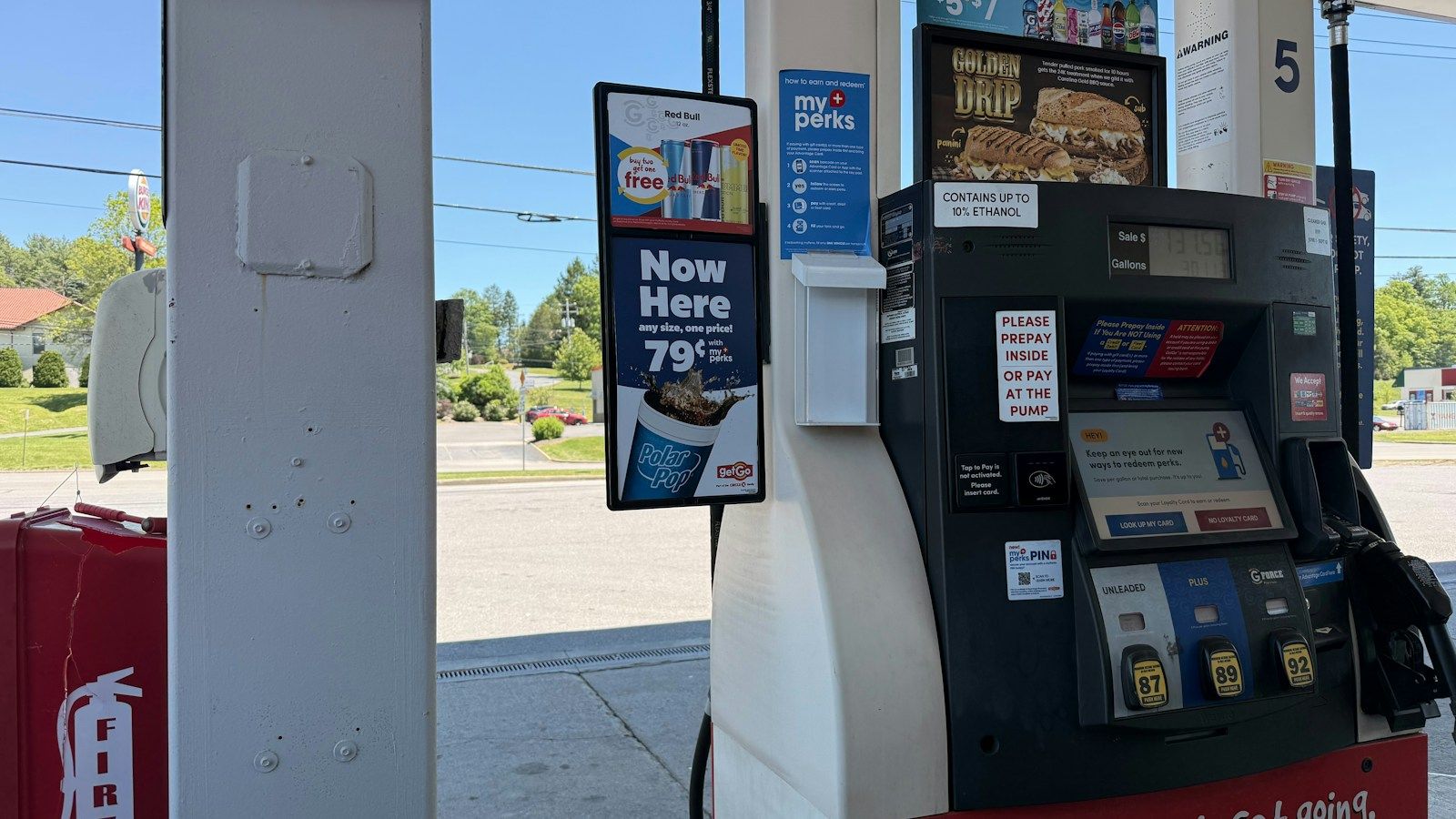
Families with children need support they can actually use. Governments should strengthen child benefits during price shocks, provide refundable tax credits that also reach low earners, and protect an affordable allowance of essential household electricity. A parent earning too little to owe much income tax gains little from a conventional tax deduction. Help should reach the child whose home needs heating, even when their parent has no tax bill to reduce. Payments should be automatic wherever existing records allow, adjusted for household size and additional needs, and reviewed against actual living costs.
There is evidence for a fairer approach. A Joint Research Centre simulation examined returning extra fuel-related VAT revenue to households through equal cash transfers. It estimated an average reduction of 17% in the additional fuel burden; for the poorest income group, the reduction was 37%. These are modelled results, not outcomes from an implemented scheme. They show that how money is distributed can matter as much as the headline budget. Governments should publish comparable figures for their own measures: who receives the money, how quickly, and how much of the extra cost remains unpaid? Source: JRC fuel-price policy brief
Europe also needs lasting protection: better-insulated homes, affordable public transport, stronger electricity grids and cleaner domestic power. The IEA identifies generation, grid investment and tax reform as routes to cheaper electricity. But a promise for the future cannot settle a bill due this week. Competent government must deliver immediate protection and reduce the risk of the next crisis. Countries differ, and some measures provide meaningful help. Still, leaders should stop judging themselves by the size of their announcements. Citizens should judge them by whether wages cover necessities, children live in warm homes and essential journeys remain affordable. When those basic needs remain out of reach, presenting partial relief as a finished job is a failure of leadership. Source: IEA