
The purpose of the visit
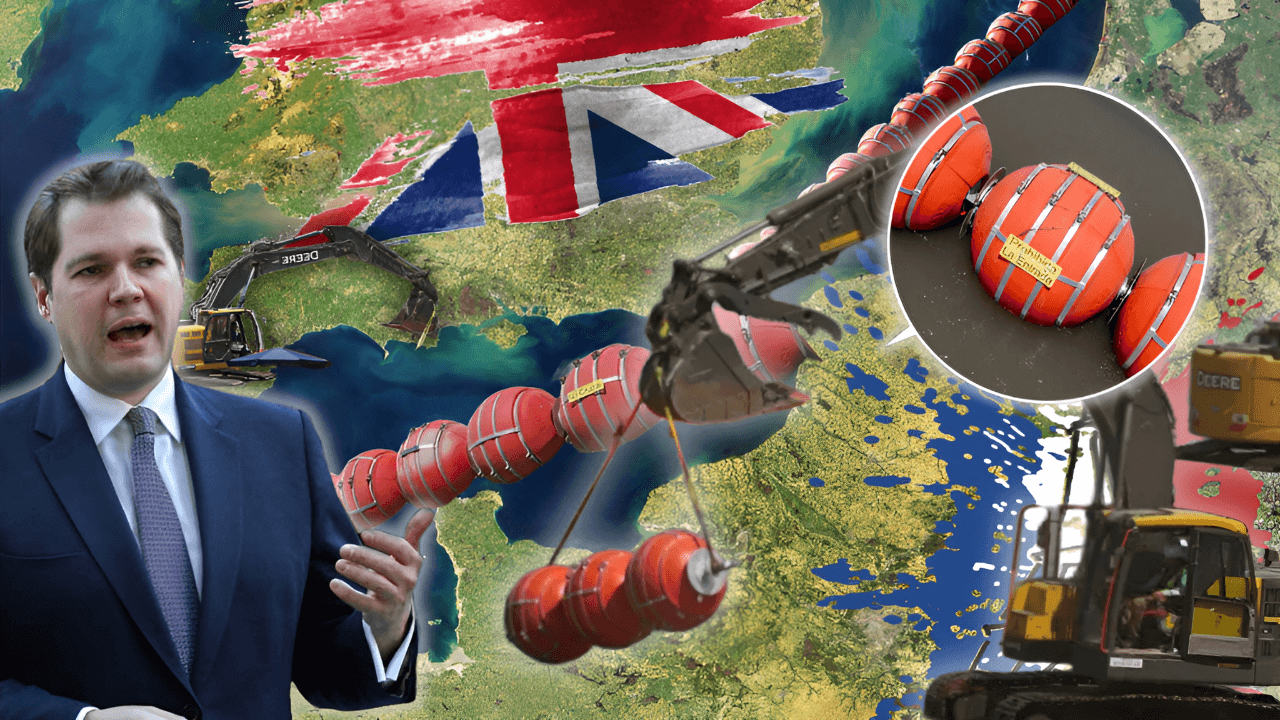
In February 2024, then UK immigration minister Robert Jenrick visited the U.S.–Mexico border in Texas as part of a Conservative Political Action Conference programme. A Heritage Foundation event listing describes his appearance as a discussion of securing sovereign borders in an era of mass migration. That establishes the visit and its stated policy focus; it does not mean the U.S. model can be transferred directly to the UK.
Border barriers and the legal dispute
Texas had installed a floating barrier of buoys in the Rio Grande, prompting a dispute with the federal government over authority, safety and access to the river. The Associated Press reported that a federal judge ordered Texas to move the buoys pending further proceedings. The legal case illustrates that a visible barrier can become a question about jurisdiction and river access as well as immigration enforcement.
The buoy barrier was separate from concertina wire and other fencing placed along parts of the border. Treating all of these measures as one system can obscure differences in location, design, legal status and practical effect. Reporting should identify which measure is being discussed and what evidence exists about its results.
What the UK can learn—and what remains uncertain
Jenrick’s visit offered a political opportunity to study another country’s enforcement choices, but the UK and U.S. face different geography, laws and migration routes. A site visit or conference speech is not an evaluation of whether a policy reduced crossings or improved safety. That requires comparable data, a clear timeframe and consideration of humanitarian and legal consequences.
The episode is best understood as part of a wider debate about deterrence, border control and the limits of executive power. Readers can distinguish the event itself, the claims made by political figures, and the independently documented status of the Texas litigation.