
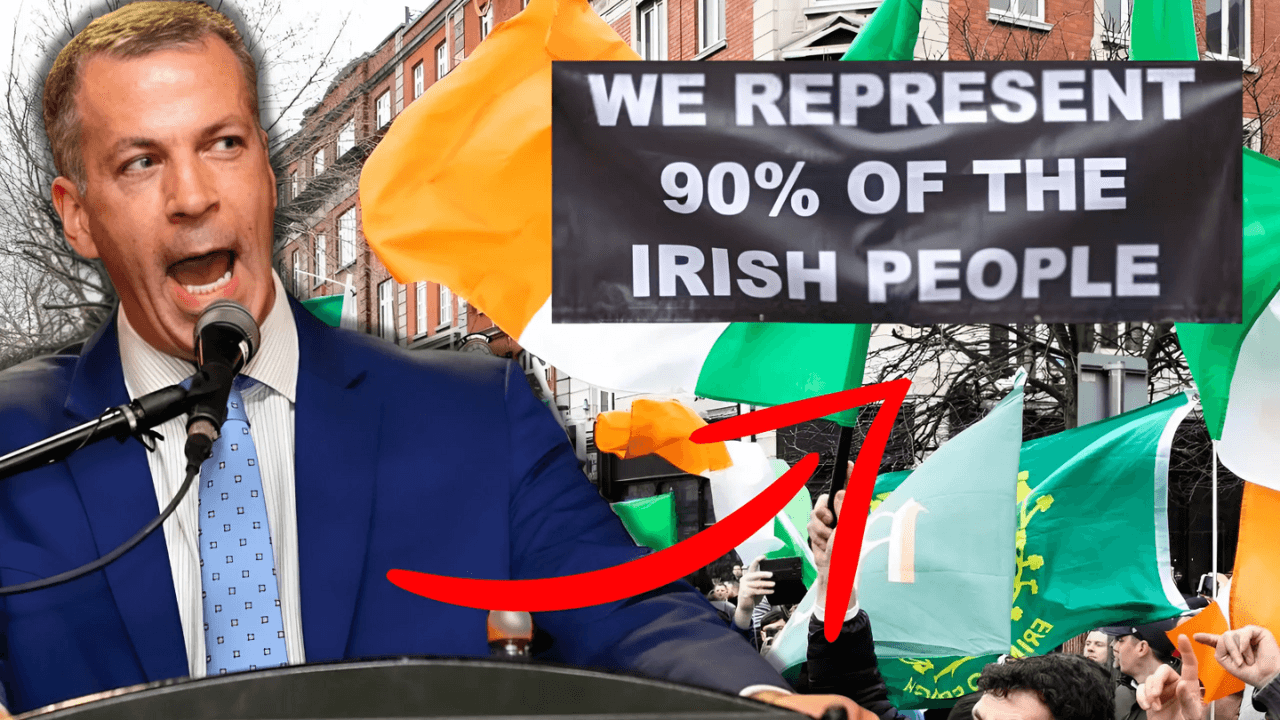
A protest in Dublin
On 5 February 2024, Gardaí announced traffic and public-order arrangements for gatherings in Dublin city centre. The police notice documents the event and anticipated disruption; it does not support describing the demonstrations as a nationwide uprising. Protesters raised objections to government immigration policy, while other public discussion focused on housing, services and the pace of change.
Separating protest slogans from policy facts
Protests can bring together people with different motives. A march or a large crowd is evidence that a public gathering took place, not a reliable measure of what all residents believe. Specific claims about asylum numbers, accommodation, housing pressure or crime require separate data and should be attributed to the source that made them.
Ireland’s immigration debate takes place within a changing population and a housing market under pressure. Those issues can intersect in public debate, but correlation is not proof that migration alone caused a shortage or service problem. A useful account identifies the relevant figures, time period and policy decision instead of using broad claims about “citizens” or “the people.”
The policy questions
The debate includes how asylum applications are processed, where applicants are accommodated, how local communities are consulted and how the state meets its legal obligations. These questions involve both administrative capacity and individual rights. Criticism of government policy can be reported without treating people seeking protection as a single group or assigning collective blame.
The 2024 Dublin gathering is a snapshot of a contentious political moment. To assess what changed afterward, readers should compare subsequent policy decisions and official statistics rather than infer a national consensus from the protest itself.