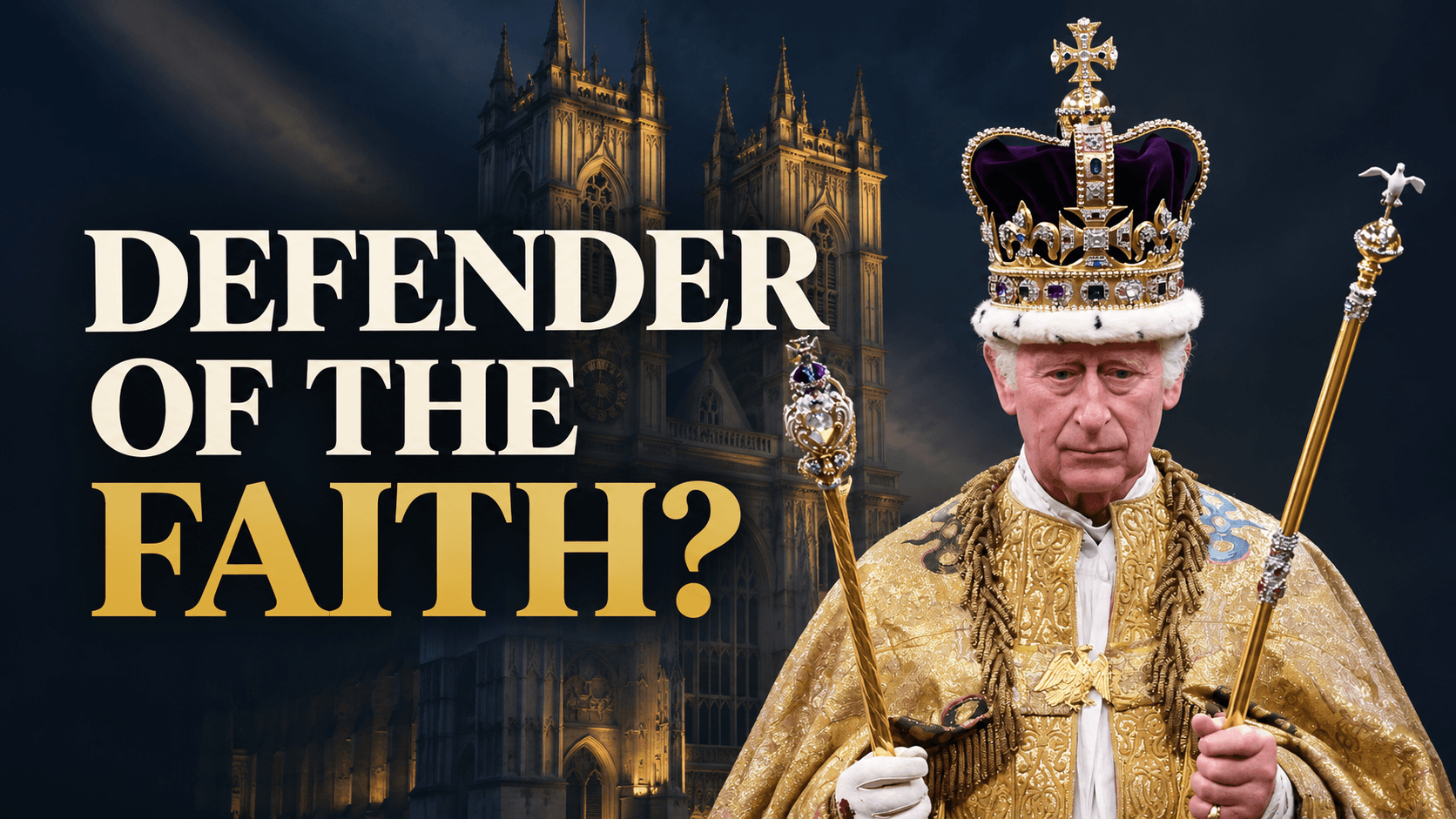
LONDON — Does King Charles III give Islam more attention than the Church he swore to uphold? That accusation gained fresh attention on 17 November, when Charles told the Church of England’s General Synod that the Church protects “the very space for Faith itself – of every belief”. The line landed after a year in which the King’s Ramadan greetings and the absence of a personal Easter message had already drawn criticism in Britain. Palace transcript · GB News · Palace confirmation · GB News · Easter reaction
Charles spoke at the Synod as Supreme Governor of the Church of England. He described his commitment to the Church as rooted in “a deep and abiding Christian faith”, called for prayers for persecuted Christians in the Middle East and the Holy Land, and spoke of closer ties with Catholics and Orthodox Christians. His address called on the Church to serve the whole country and contained no proposal to change Anglican doctrine. Palace transcript · Synod agenda
The King’s outreach to Islam raises two questions. What does protecting “every belief” mean in practice, and what does the Crown owe the Church it swore to uphold? For Christians who think Charles gives Islam more public attention, the second question is the more urgent one. How clearly is the Crown prepared to defend Britain’s Christian inheritance? Ciarán Kelly · The Christian Institute · Ravi Holy · The Guardian
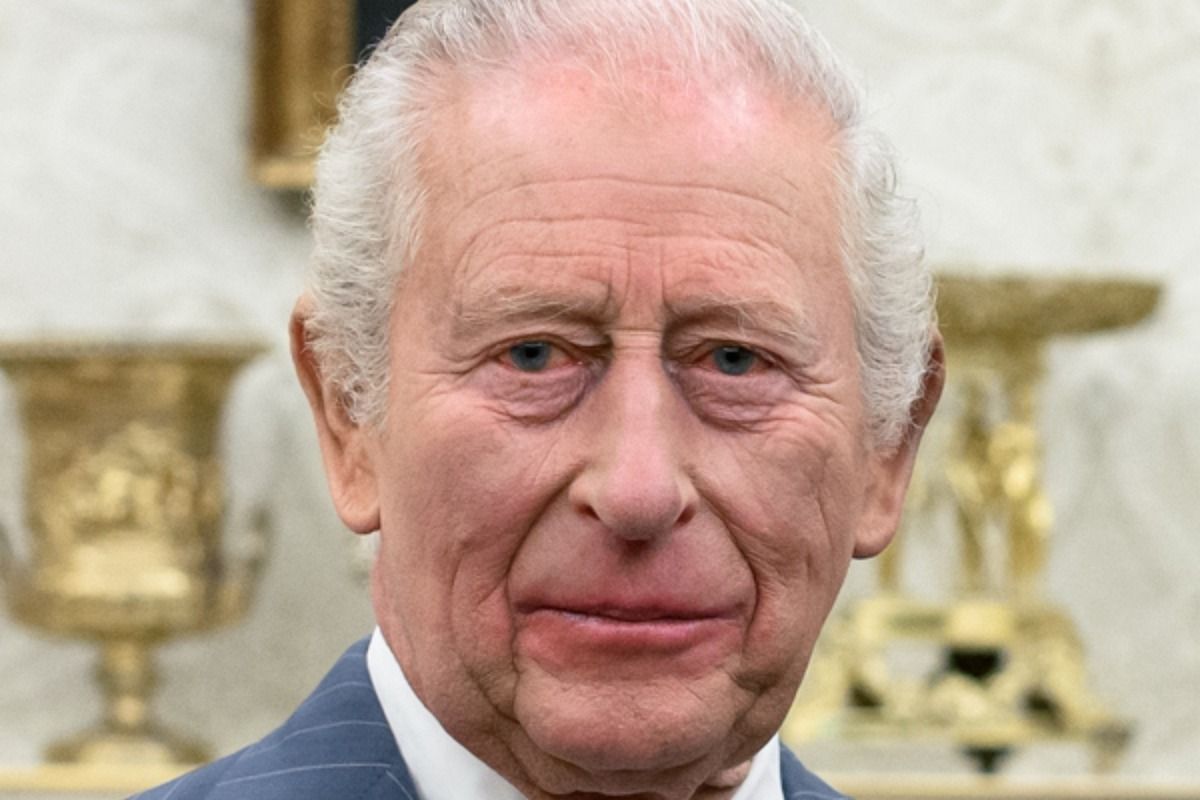
King Charles III during his April 2026 state visit to the United States. Daniel Torok / The White House. U.S. public domain. Image source and rights
Why do critics say the King favours Islam?
Charles has taken a sustained public interest in Islam for decades. In 1993, as Prince of Wales, he delivered the lecture Islam and the West and became patron of the Oxford Centre for Islamic Studies. He returned in July 2025 for its 40th anniversary, when the centre marked the naming of the King Charles III Wing and launched a programme bearing his name. Royal Family · Oxford visit
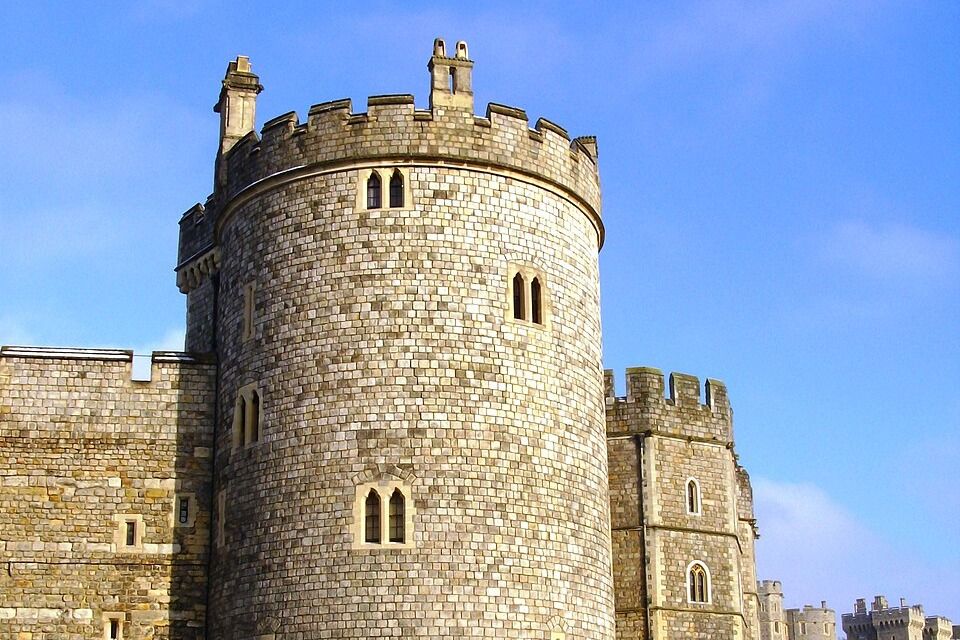
In March 2025, the Ramadan Tent Project held the first open iftar in Windsor Castle’s State Apartments. Britain’s Eastern Eye reported that more than 350 people gathered to break their fast. In March 2026, the royal household adjusted a Windsor state banquet for visiting Nigerian President Bola Ahmed Tinubu, who was observing Ramadan. Both gestures made Muslim religious observance visible in one of Britain’s most recognisable royal settings. Ramadan Tent Project · Eastern Eye · Windsor iftar · ITV News · state banquet
Then came Easter. In April 2026, Buckingham Palace confirmed Charles would issue no personal Easter message that year. GB News presenter Patrick Christys contrasted that decision with the King’s Ramadan greeting. Charles did attend the Royal Maundy service at St Asaph Cathedral on 2 April and distributed the traditional Maundy gifts. The criticism was about the prominence of the public message. The Christian ceremony still took place with the King present. GB News · Palace confirmation · GB News · Easter reaction · Royal Family · Royal Maundy 2026
Windsor Castle, where the Ramadan Tent Project held an open iftar in 2025. Carlos Luis M C da Cruz / Public domain. Image source and rights
What are British voices saying online?
Two British Christian commentators made the case bluntly before the November speech. Gavin Ashenden, a former chaplain to Queen Elizabeth II, argued that the King had been “false to his sworn word”. Ciarán Kelly, director of the Christian Institute, said the multifaith language seemed designed to convey that “Christianity is just one religion among many”. Both were responding to how the Crown described the King’s role in a multifaith country. Gavin Ashenden · Anglican Ink · Ciarán Kelly · The Christian Institute
Ravi Holy, an Anglican vicar in Kent, pushed back in The Guardian, pointing to Elizabeth II’s own defence of the Church’s duty towards people of other faiths. The Easter row drew a similar disagreement on the UK-focused r/ukpolitics forum. One commenter asked, “Is a Ramadan message ‘the norm’?” Another pointed readers to the Palace’s account of the King attending the 2026 Maundy service. Ravi Holy · The Guardian · r/ukpolitics discussion · Royal Family · Royal Maundy 2026
After the Synod speech, commenters in r/monarchism asked how the King could defend faiths with incompatible beliefs. In r/Anglicanism, one reader disputed some of the possible consequences but called the language “on brand for Charles III.” The threads show the arguments people are making. A few online discussions cannot tell us how common those views are across Britain. r/monarchism discussion · r/Anglicanism discussion
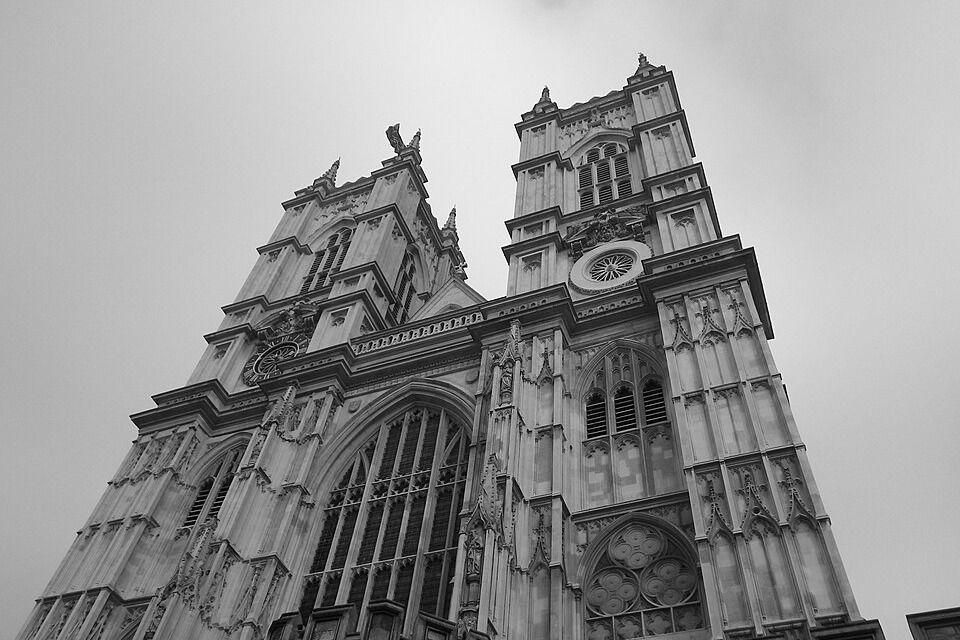
Westminster Abbey, where the service marking the Synod’s opening was held. Balon Greyjoy / CC0. Image source and rights
Is the Church heading for a “Ratner moment”?
In 1991, British jeweller Gerald Ratner mocked his own merchandise at an Institute of Directors dinner. His name became shorthand for an institution undermining confidence in itself. Could the Church have its own “Ratner moment”? If its leaders struggle to explain why their faith matters, what reason are they giving parishioners to stay? TIME’s 1991 report
Has the Church done what Ratner did? Charles praised the life and teaching of Jesus and spoke of bringing “Christ’s message of salvation to the world”. The risk is that the public hears more about accommodating different beliefs than about why the Church proclaims the Gospel. Palace transcript
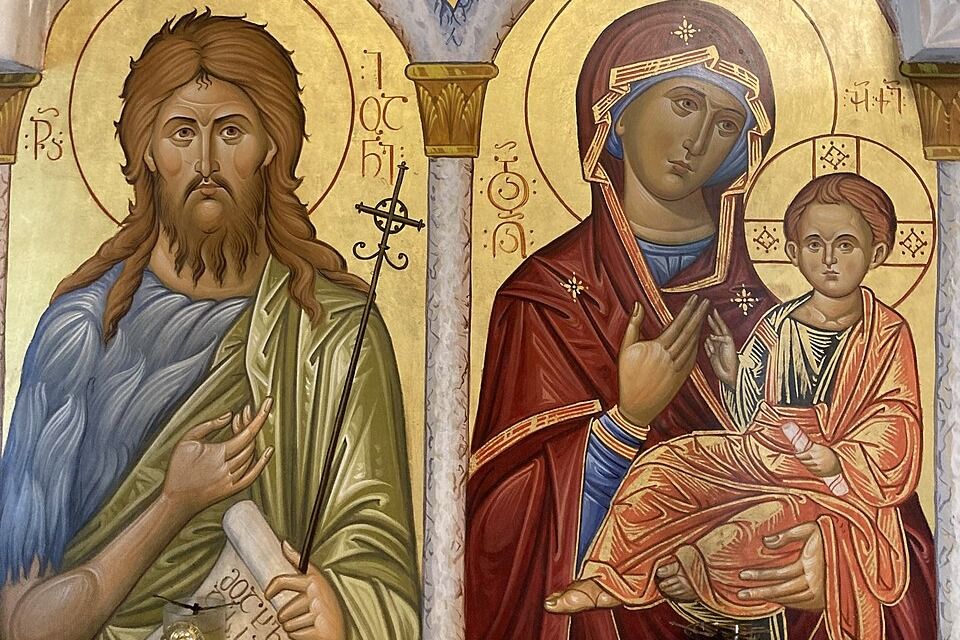
What might an Anglican looking for a more traditional expression of Christianity find in an Orthodox parish? The shared creed provides a starting point. Charles himself spoke warmly of ties with the Orthodox and Roman Catholic churches. Anglicans and Orthodox Christians both use the Nicene Creed, which places Jesus Christ and salvation at the centre of Christian belief. Palace transcript · The Nicene Creed
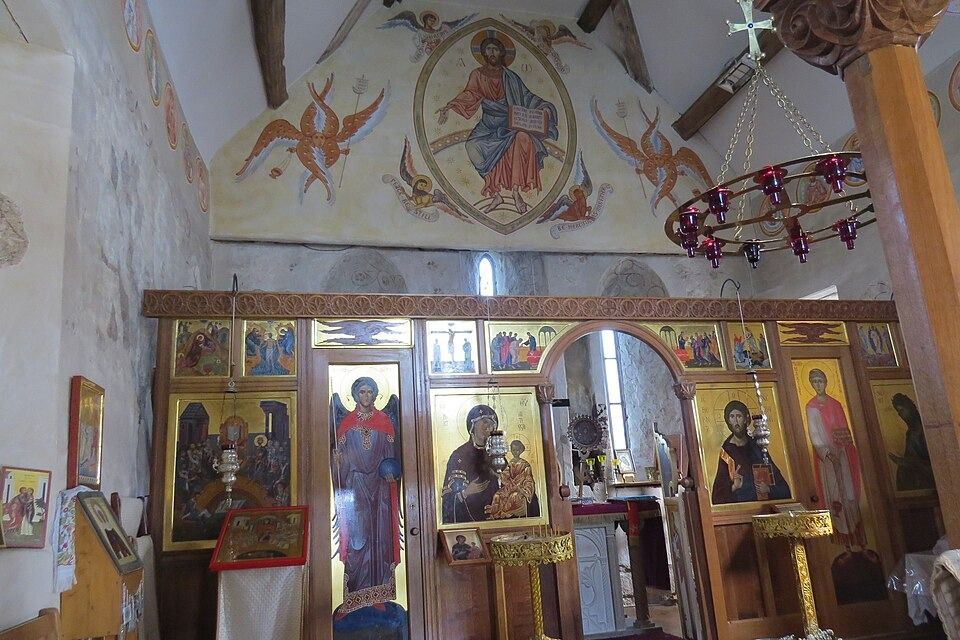
An Orthodox church interior. Farquhar82 / CC0. Image source and rights
What did Charles actually promise at his coronation?
At his 2023 coronation, Charles swore to maintain the Protestant Reformed Religion established by law and preserve the Church of England’s settlement. The Palace still identifies him as Supreme Governor. He also told faith leaders soon after his accession in 2022 that he saw a duty to protect space for people of different beliefs. Those commitments help explain why the debate keeps returning to his choice of words. Coronation service · The King and faith
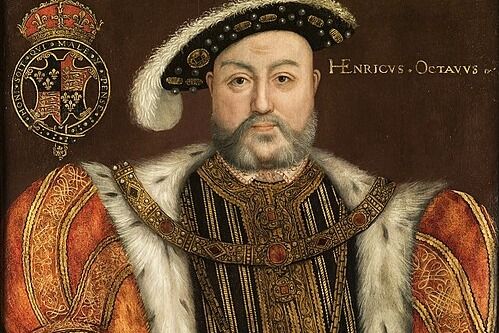
Is this another Henry VIII moment? In 1534, Parliament passed the Act of Supremacy, making Henry supreme head of the English Church and severing ecclesiastical ties with Rome. The Synod speech announced no comparable legal or institutional change. The charge that Charles gives Islam special public attention can be tested against his record. A claim that he has changed allegiance or placed Islam above Christianity in law needs evidence the speech does not provide. UK Parliament · Palace transcript · Coronation service
Does protecting space for faith give the King a role in governing other religions? Charles was speaking about the Church of England’s place in national life. His address claimed no authority over Jewish or Muslim communities. Elizabeth II made a similar case at Lambeth Palace in 2012, saying the established Church helped create space for people of other faiths and no faith to live freely. Palace transcript · Elizabeth II’s Lambeth Palace speech
Henry VIII, in a portrait attributed to a follower of Hans Holbein the Younger. Public domain. Image source and rights
Does “every belief” mean one world religion?
A shared creed drawn from several religions would be a form of syncretism. What would Charles’s language mean in practice for an atheist or an adherent of a smaller religious movement? Freedom of thought, conscience and religion protects the choice to hold no religious belief, too. Charles gave no list of groups to recognise, and the Synod agenda contains no proposal for a shared creed or form of worship. Palace transcript · Synod agenda · European Court of Human Rights
Was Downing Street involved? There is no public confirmation that Prime Minister Andy Burnham saw or approved the speech in advance. Charles helped launch the World Economic Forum’s Great Reset with Klaus Schwab in 2020. The published initiative concerned post-pandemic economic recovery and sustainability, and offers no evidence for the claim that the Synod speech was part of a plan for a world religion. Downing Street · Palace transcript · World Economic Forum launch
A separate debate over Church priorities concerns the Church Commissioners’ £100 million commitment in response to historic links between their endowment and African chattel enslavement. The Commissioners say the fund supports research, investment and affected communities. How should the Church balance that commitment with its responsibility to sustain parish ministry? Church Commissioners · Project Spire
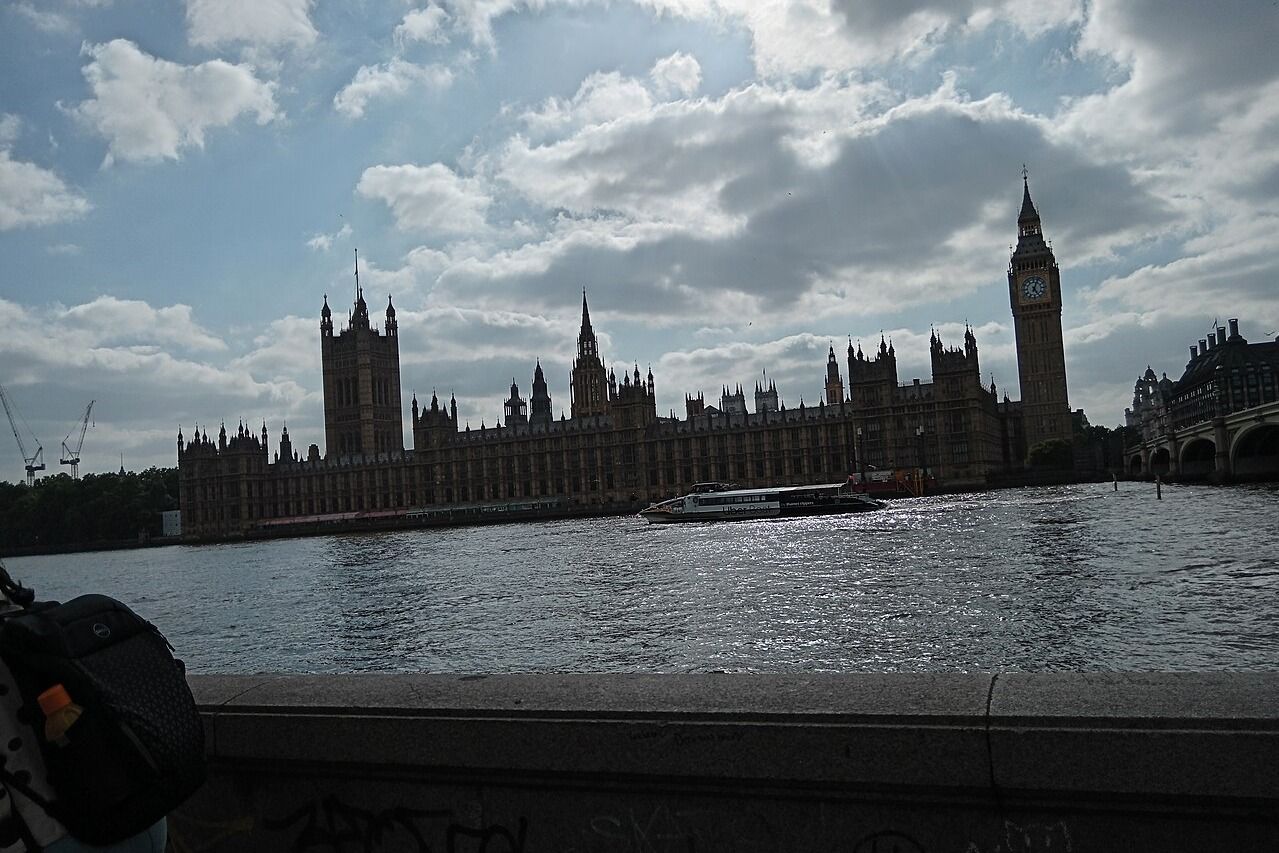
Palace of Westminster, 2025. CAPTAIN RAJU / CC0. Image source and rights
Can the Church speak clearly about what it believes?
Archbishop of Canterbury Sarah Mullally described the Church’s calling in explicitly Christian terms after the King’s visit, speaking of “bearing witness to Jesus Christ, the King of Kings.” The dispute over Charles asks how plainly the Crown should express that same Christian commitment in public. Archbishop’s address · Palace transcript
Meanwhile, the numbers show how much ground the Church has to recover. Average weekly attendance climbed to 707,000 in 2025, up 0.8% on the previous year, compared with 864,000 in 2019. The figures measure attendance. They cannot tell us whether the King’s approach to religion draws people to church or keeps them away. Statistics for Mission 2025 · Church attendance release
Charles has spent decades building relationships with Muslim institutions, and the Easter row shows why some Christians want the Crown to be just as deliberate about speaking to them. What should Britain expect from its Defender of the Faith as the Church tries to rebuild its congregations? Royal Family · Oxford visit · GB News · Easter reaction · Coronation service
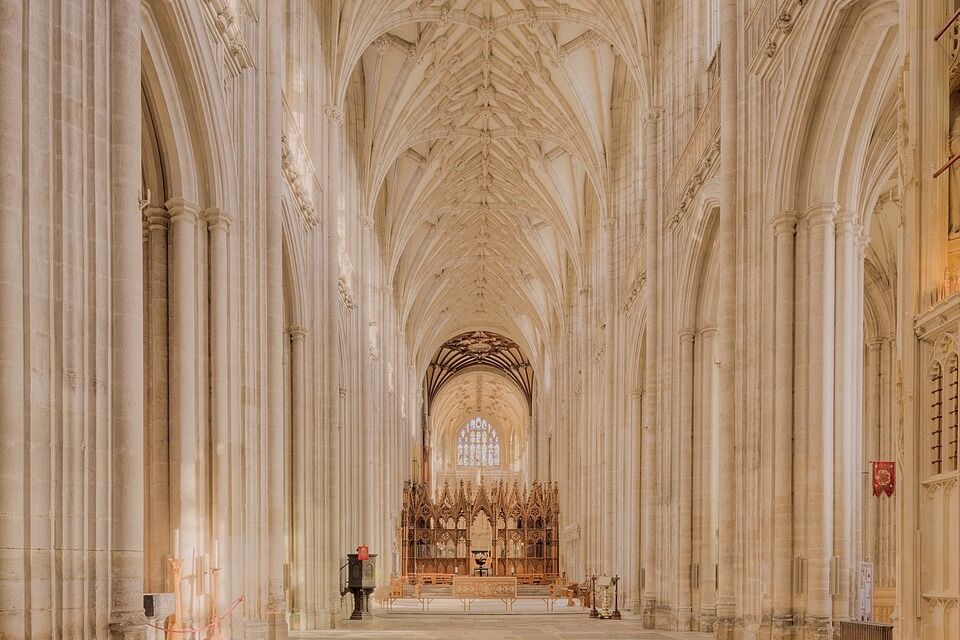
The nave of Winchester Cathedral. Michael D Beckwith / CC0. Image source and rights
What would it mean to “preach the Gospel”?
The test for the Church is whether a person entering an Anglican parish hears a clear account of what it teaches about Jesus and salvation. The Church of England publishes the Nicene Creed and uses it in worship. Its clergy have a direct way to answer that challenge in the pulpit and at the altar. The Nicene Creed · Church of England worship texts
What happens to the Christian witness when churches also welcome neighbours who believe differently? A parish can say openly what its creed teaches and still defend a neighbour’s freedom to worship or abstain. The harder question for the Crown is about public emphasis. When Charles gives a clear message for Ramadan, Christians can reasonably ask what he will say just as clearly at Easter. Elizabeth II’s Lambeth Palace speech · GB News · Easter reaction
The future of the Church is a bigger question than any one royal speech. The Synod delegates have to decide how to serve their parishes, sustain their buildings and carry on their ministry. When people walk through those doors looking for hope, what will the Church tell them it believes? Synod agenda · The Nicene Creed
Orthodox iconostasis in Batumi, Georgia. Wikivorker / CC0. Image source and rights