The Label at the Centre of the Dispute
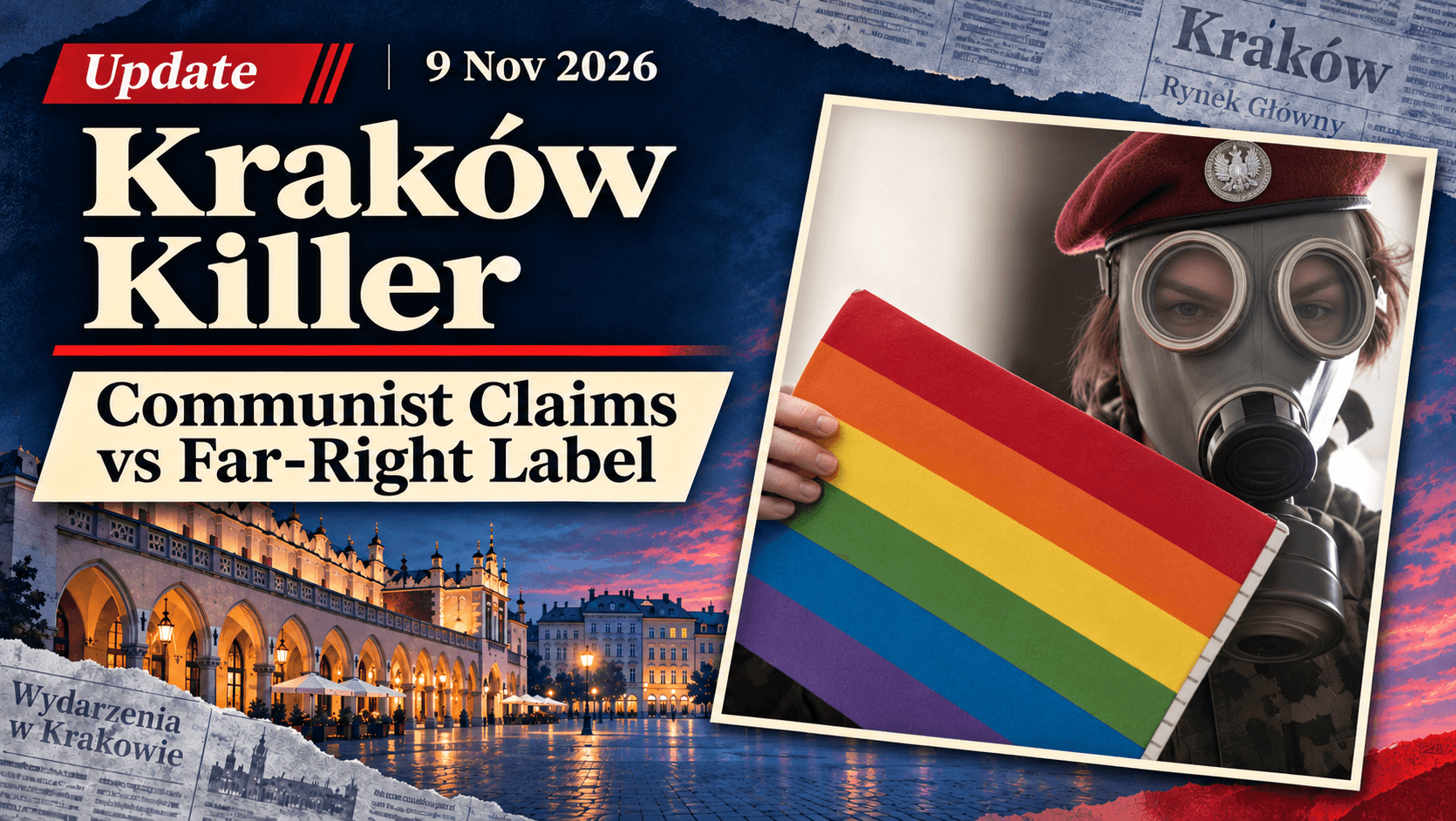
The Kraków killer was presented in international coverage as a man influenced by the far right. Conservative critics now argue that alleged social-media material points towards communist or Antifa sympathies instead. The dispute raises a fair question: did an early official assessment become a settled media narrative before investigators had established his motive? Hungarian Conservative: alleged Facebook material Hungarian Conservative: police-source report
There is a significant new detail. In reporting published on November 9, prosecutor Eryk Stasielak told Associated Press that it was too early to determine the attacker’s ideology and that investigators were considering several possibilities. AP’s own headline still described him as having far-right views. That gap between the headline and the prosecutor’s caution is a concrete reason to scrutinise the coverage. Associated Press, November 9
Where the Far-Right Description Came From
The description did not begin solely with journalists. Interior Minister Marcin Kierwiński said preliminary findings pointed to far-right influence. Reuters attributed that assessment to the government and noted that it had provided no further details. Reporting the minister’s statement is legitimate. Treating it as a proven explanation for the killings would go further than the evidence made public. Reuters, November 9
Super Express subsequently reported that several unnamed sources said the attacker had no links to right-wing parties or extremist right-wing organisations, including through his online activity. Hungarian Conservative also cited an unnamed police source, reported by Rzeczpospolita, suggesting possible far-left views. These reports challenge a simple political account. They do not, by themselves, establish what he believed or why he attacked. Super Express, November 8 Hungarian Conservative: police-source report
What Supports the Communist Claim?
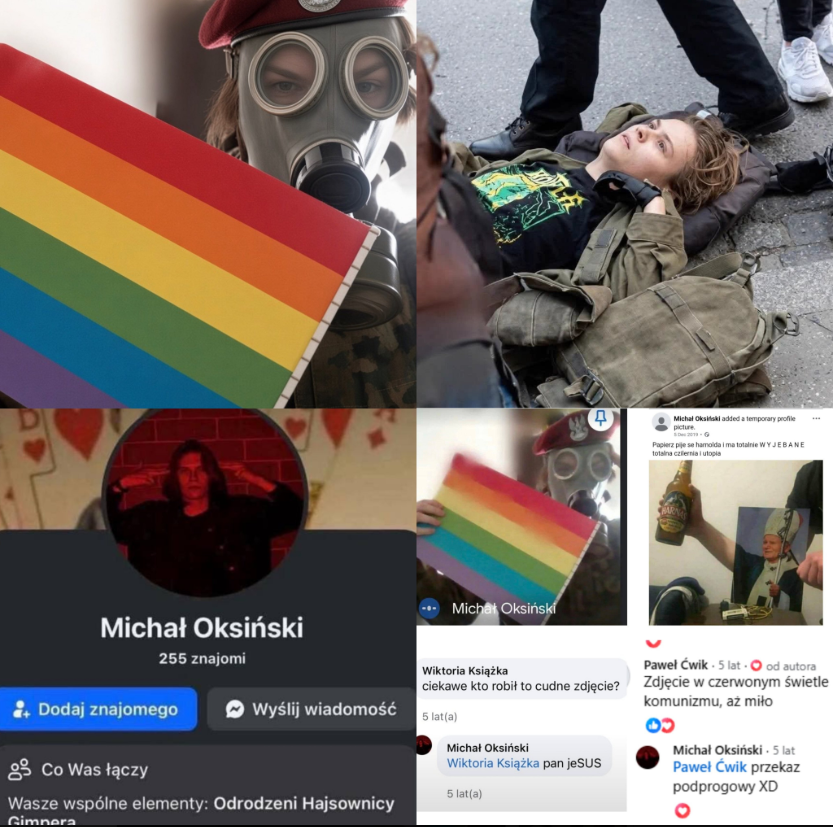
Hungarian Conservative described alleged Facebook material featuring a Pride flag, mockery of Christianity and a joke about communism. It quoted commentator Edgar Korona calling the attacker an anarcho-communist and Antifa sympathiser. The collage supplied for this article brings together similar images and screenshots, including an account bearing a name attributed to the suspect. It illustrates what critics are citing; it does not independently establish account ownership, when each photograph was taken, or the attacker’s beliefs at the time of the shooting. Hungarian Conservative: alleged Facebook material
The argument that leftist media falsely branded a communist as a Nazi therefore remains unproven. The reviewed mainstream reports used “far-right”; that is not the same as identifying someone as a Nazi. A Pride flag or anti-religious joke also cannot establish a communist motive. The strongest criticism is narrower: coverage should reflect the prosecutor’s uncertainty rather than turn a preliminary political label into a final verdict. Reuters, November 9 Associated Press, November 9
The Latest Confirmed Story
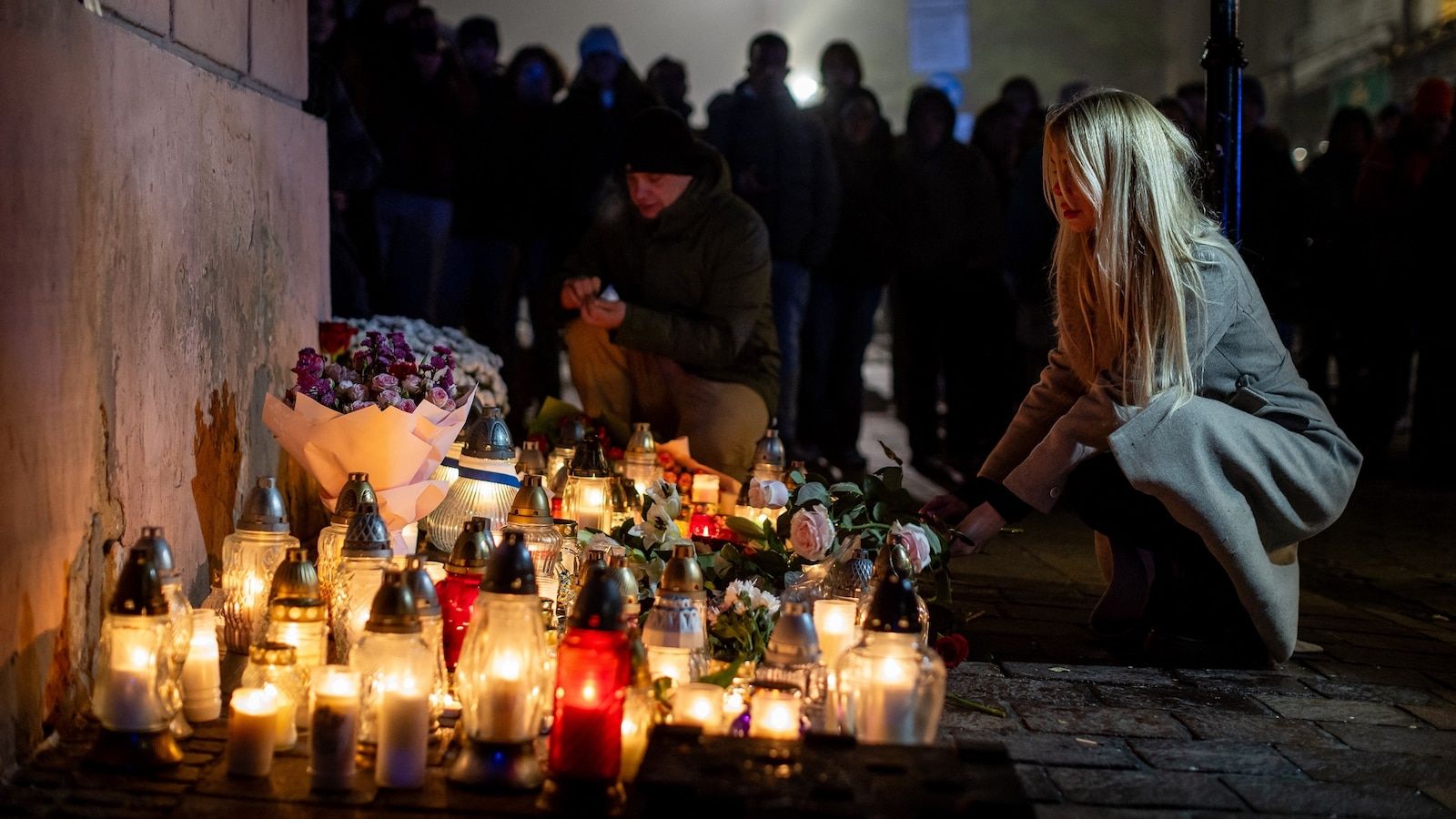
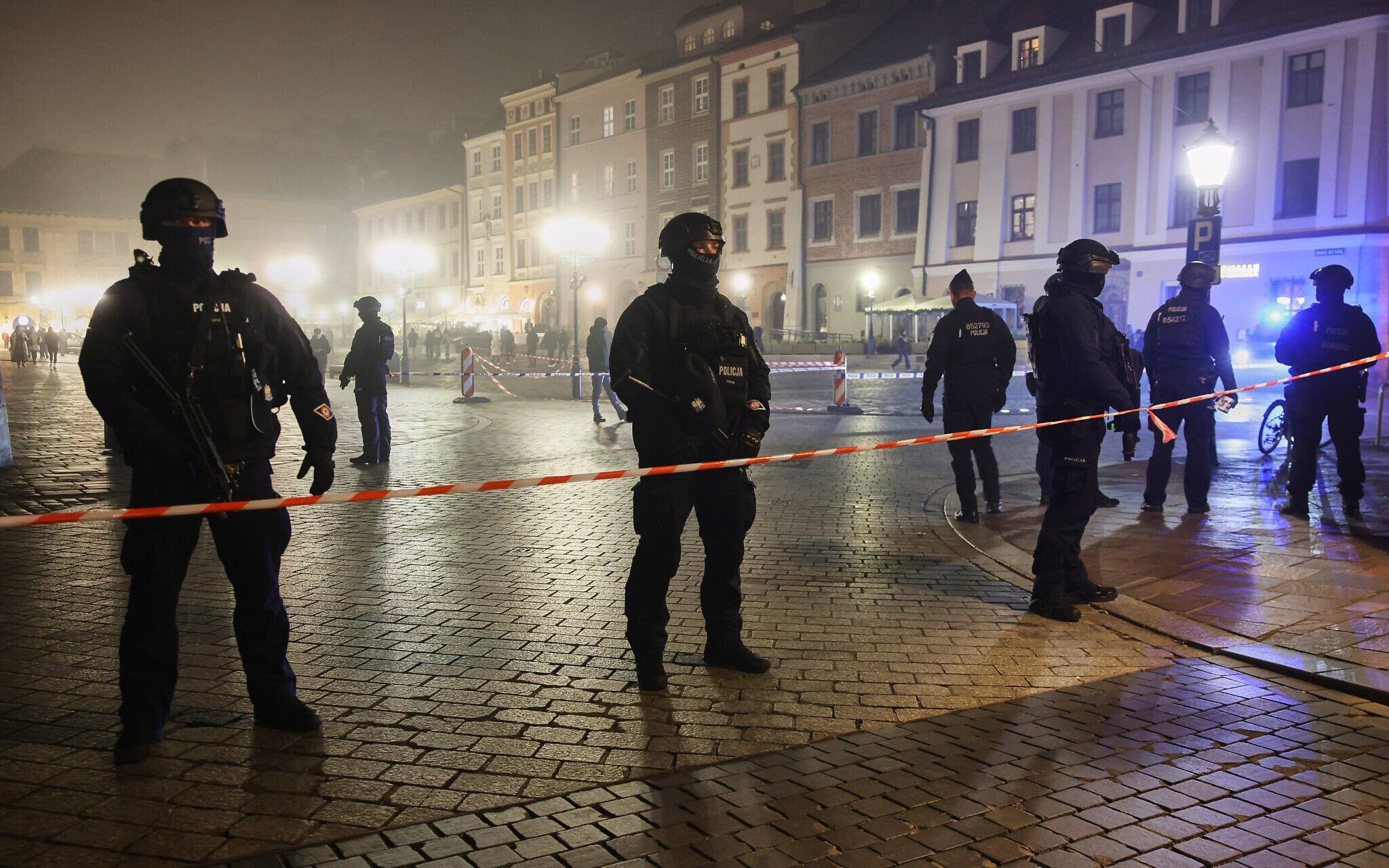
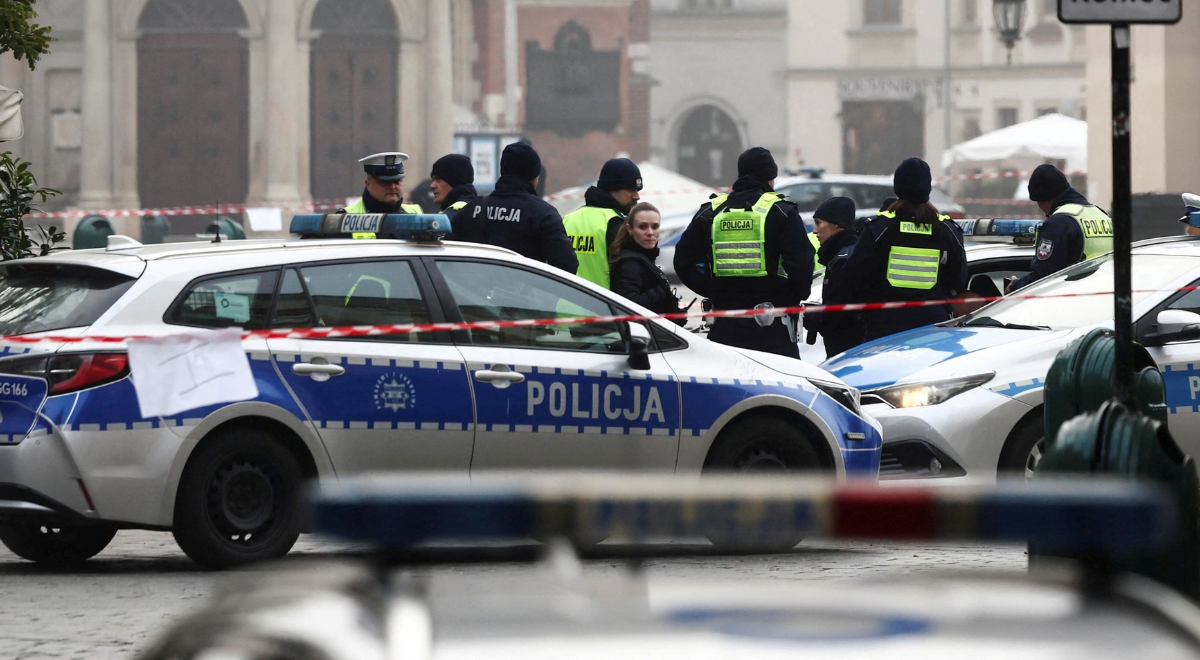
The 24-year-old attacker died in hospital on Monday, November 9, police said. On Saturday, November 7, he drove into Kraków’s Main Market Square and fired at people. Six victims were killed and 15 others injured. Some Polish reports list 16 injuries because they include the attacker. He was shot and detained by police. Two officers were wounded while stopping him. Reuters, November 9 Associated Press, latest explainer Polskie Radio, November 8
Police also found the bodies of his parents and 21-year-old sister at the family home in Ostrowiec Świętokrzyski. Prosecutors linked those three killings to the same suspect, bringing the number of victims in the combined case to nine. They classified the public attack as a terrorist offence. Poland declared national mourning for November 8–9. The attacker’s death is confirmed; his precise ideology and motive still require evidence. Polskie Radio, November 8