
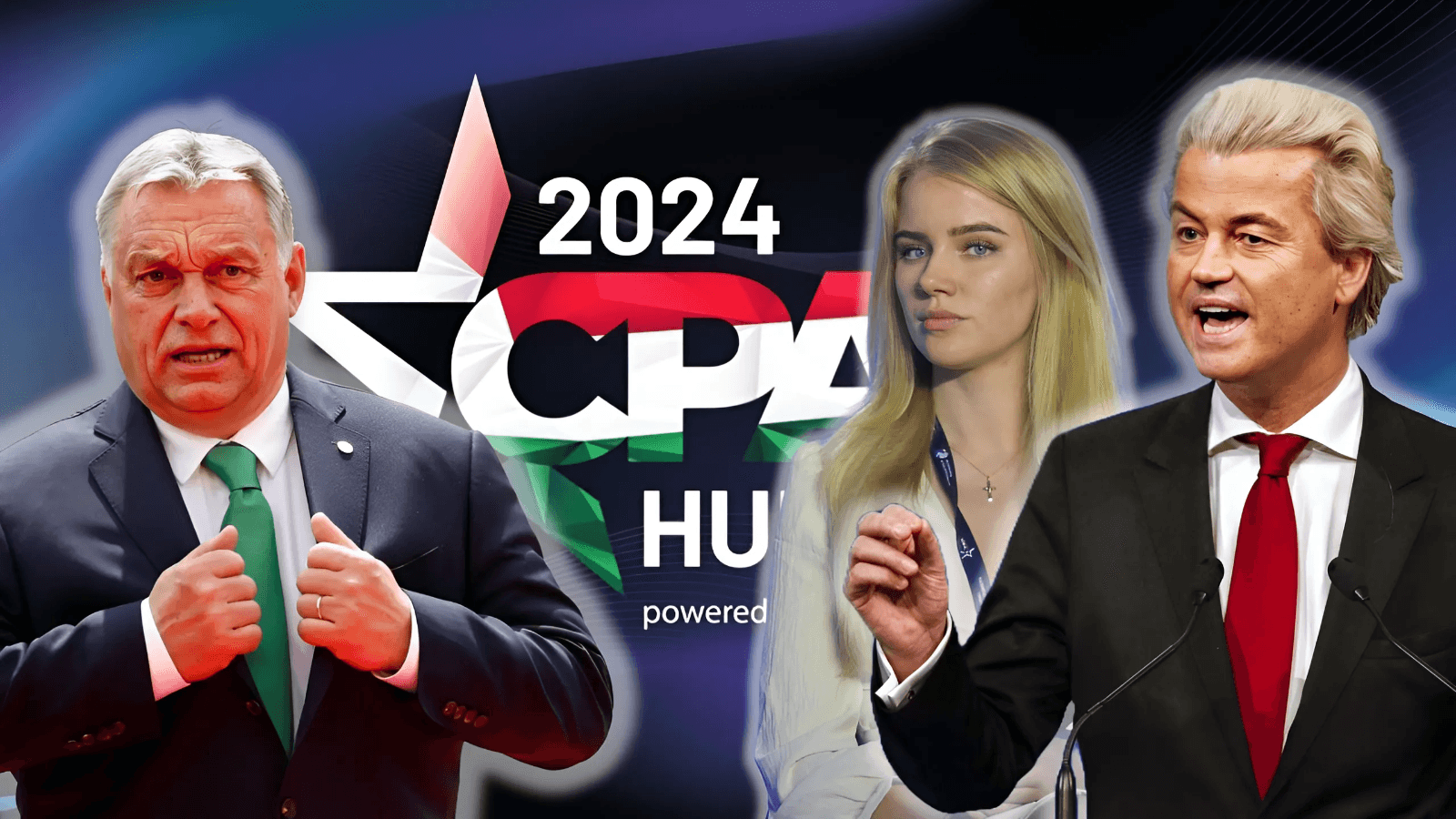
A U.S. political conference in Budapest
The Conservative Political Action Conference (CPAC) held an event in Budapest in 2024, extending an American conservative political brand into Europe. Hungarian Prime Minister Viktor Orbán and visiting conservative figures used the gathering to discuss sovereignty, migration, national identity and opposition to progressive politics. The event was a political conference, not a formal meeting of governments or an EU institution.
Why Hungary became a focal point
Orbán’s government presents Hungary as a defender of national sovereignty and conservative social policy. Critics focus on the country’s institutional checks, media environment and rule-of-law disputes. Freedom House’s Nations in Transit assessment classifies Hungary as a hybrid regime and documents concerns about democratic institutions. That assessment is one outside evaluation; it should be attributed rather than presented as a universally agreed label.
For visiting politicians, Budapest offered a setting to build contacts and promote shared themes to an international audience. Such gatherings can help political movements exchange messages, but a conference appearance does not by itself demonstrate a coordinated electoral strategy or broad public agreement across countries.
What the alliance signals
The event illustrates the transnational reach of conservative networks. Speakers commonly framed disputes over migration, family policy, national identity and Brussels as connected questions of sovereignty. Supporters see this as cooperation among like-minded movements; opponents argue that the agenda can weaken minority protections and democratic checks. Those are political positions, and readers should be able to distinguish them from documented facts.
A careful account of CPAC Hungary therefore asks who attended, what they said and how the host country’s political system is assessed. It avoids treating the conference as a proxy for all European conservatives—or all Hungarian voters.