
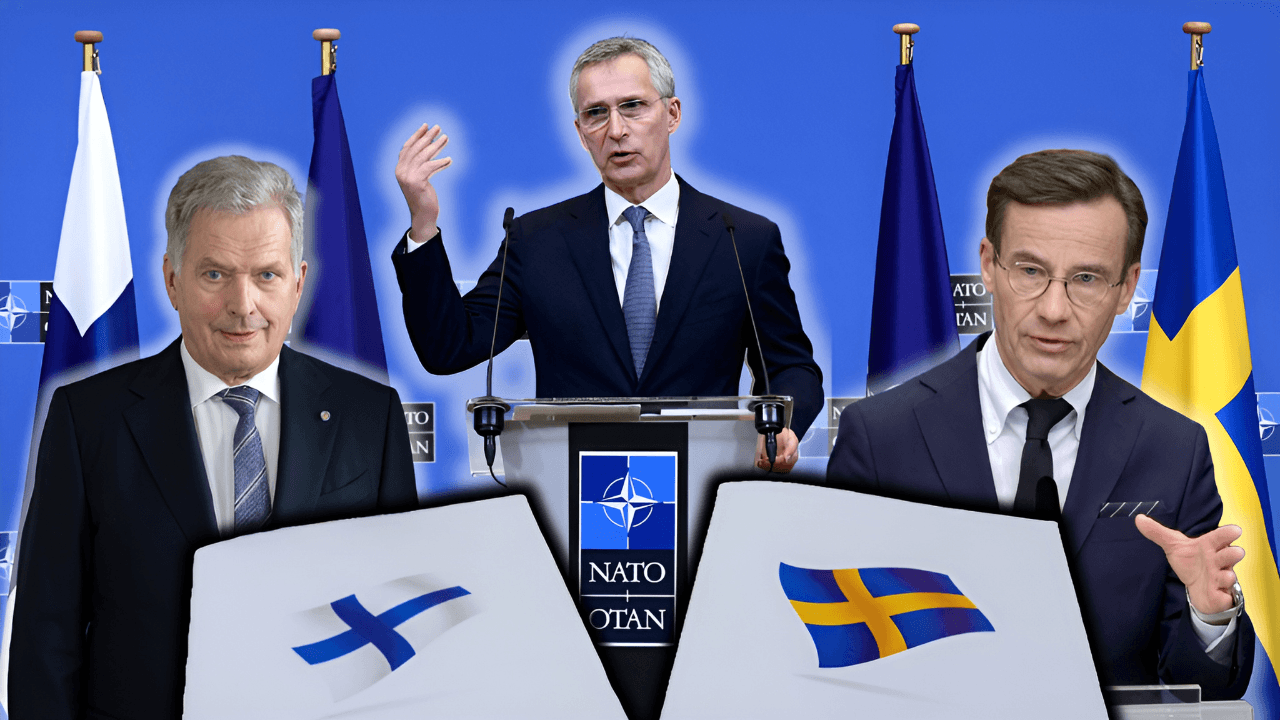
Two accessions, two dates
Finland joined NATO on 4 April 2023, and Sweden followed on 7 March 2024. Their accessions ended decades of military non-alignment and followed Russia’s full-scale invasion of Ukraine. NATO’s official membership list records both dates. This is a completed change in the alliance, not a future possibility.
What membership changes
As members, Finland and Sweden participate in NATO’s collective defence planning and decision-making. Article 5 treats an armed attack against one ally as an attack against all, while each member takes the action it deems necessary under the treaty. Membership therefore adds formal commitments and planning, but it does not mean every security problem automatically produces the same military response.
Finland brings a long land border with Russia and established territorial-defence capabilities. Sweden contributes strategic geography in the Baltic region, armed forces and defence industries. These factors can strengthen regional planning, but the practical effect depends on readiness, logistics, infrastructure and the choices of all allies.
Security benefits and risks
Supporters argue that membership improves deterrence by making defence commitments clearer and coordination closer. Critics warn that expanding the alliance can be portrayed by Russia as a threat and may heighten tensions. Neither argument changes the legal fact of accession; assessing its consequences requires looking at military posture, diplomacy and developments over time.
The shift is most accurately described as a change in European security arrangements: two Nordic countries became allies, and NATO’s northern and Baltic planning now includes them as members. It is a significant development, but not a guarantee that conflict will be prevented.