
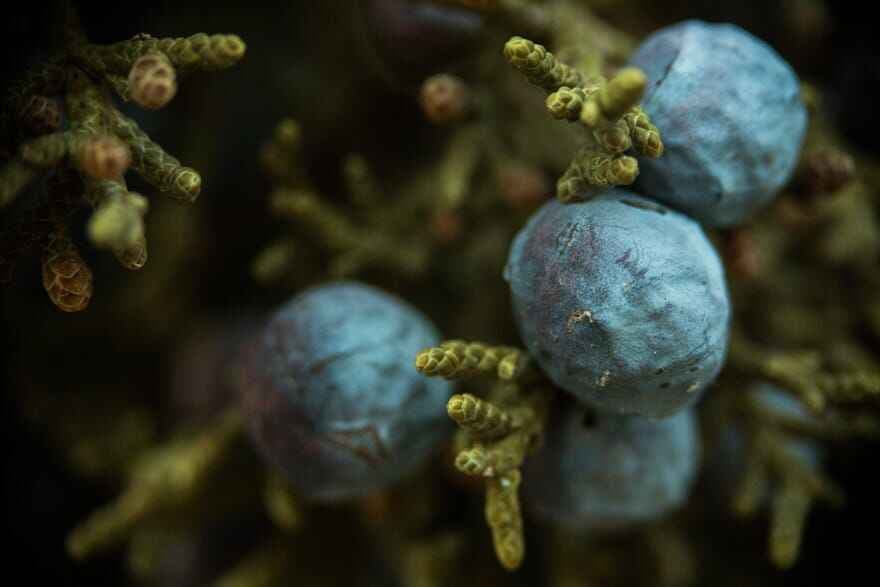
Gin is an alcoholic spirit flavored primarily with juniper. Online claims sometimes describe gin or juniper as a way to prevent disease, lose weight, detoxify the body or slow ageing. The presence of a plant ingredient does not make an alcoholic drink a treatment.
What juniper adds
Juniper gives gin its characteristic aroma and flavor. Laboratory research on plant compounds does not prove that drinking gin improves health. Gin should not be used to prevent or treat infections or other illnesses.
Alcohol and health
Alcohol carries health risks. The World Health Organization’s European office says there is no level of alcohol consumption that is risk-free in relation to cancer. Alcohol is associated with several cancers, and risk generally rises with consumption. Avoiding alcohol avoids these alcohol-related risks.
Common claims
Gin has not been shown to regenerate human cells or extend life. A drink’s calorie content does not make it a weight-loss aid. Increased urination is not the same as removing toxins or preventing a urinary tract infection. Gin should never be presented as treatment.
A careful conclusion
Do not drink for supposed medical benefits. People who do not drink should not start for health reasons. For questions about alcohol, medication, pregnancy or an existing condition, consult a qualified healthcare professional.
Sources
World Health Organization, Regional Office for Europe: Alcohol and cancer — https://www.who.int/europe/news-room/fact-sheets/item/alcohol-and-cancer
National Institute on Alcohol Abuse and Alcoholism: Alcohol’s effects on the body — https://www.niaaa.nih.gov/alcohols-effects-health/alcohol-topics-z/alcohol-facts-and-statistics/alcohol-and-human-body
NIAAA: Medical complications and alcohol-related concerns — https://www.niaaa.nih.gov/health-professionals-communities/core-resource-on-alcohol/medical-complications-common-alcohol-related-concerns