
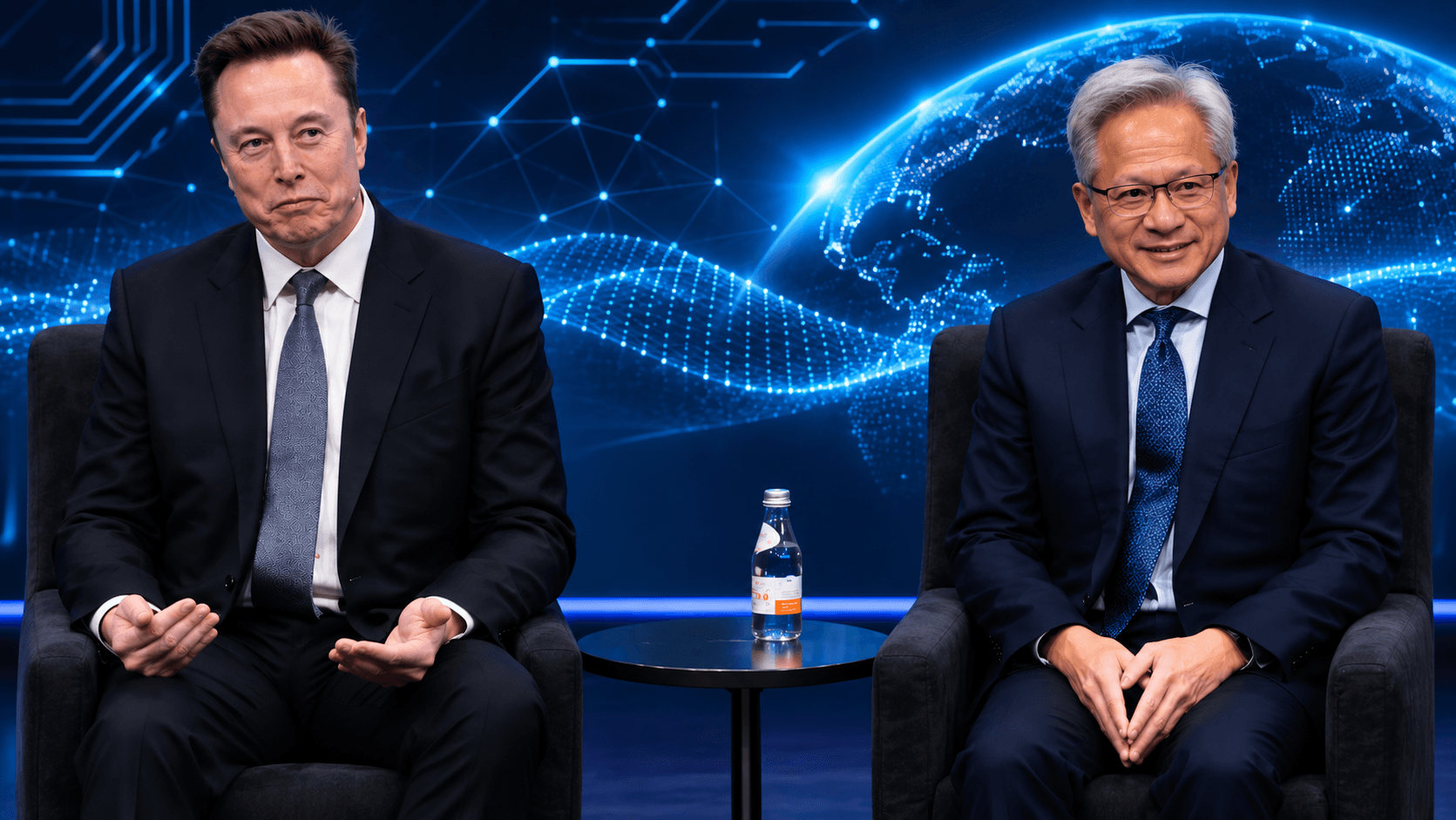
Why Did Jensen Huang Leave Nvidia? The Scandal, Elon Musk's Reaction and What Happens Next
The technology world has been shaken by reports surrounding Jensen Huang, the co-founder and longtime leader of Nvidia, the American company at the centre of the artificial intelligence revolution. Reports of his departure have raised questions about personal relationships, possible national security concerns and the future of one of the world's most influential technology companies.
But another development has attracted attention. Elon Musk has publicly expressed admiration for Huang and indicated that he would welcome the opportunity to hire him. Could one of the most influential figures in the AI chip industry eventually join forces with the man behind Tesla, SpaceX and xAI?
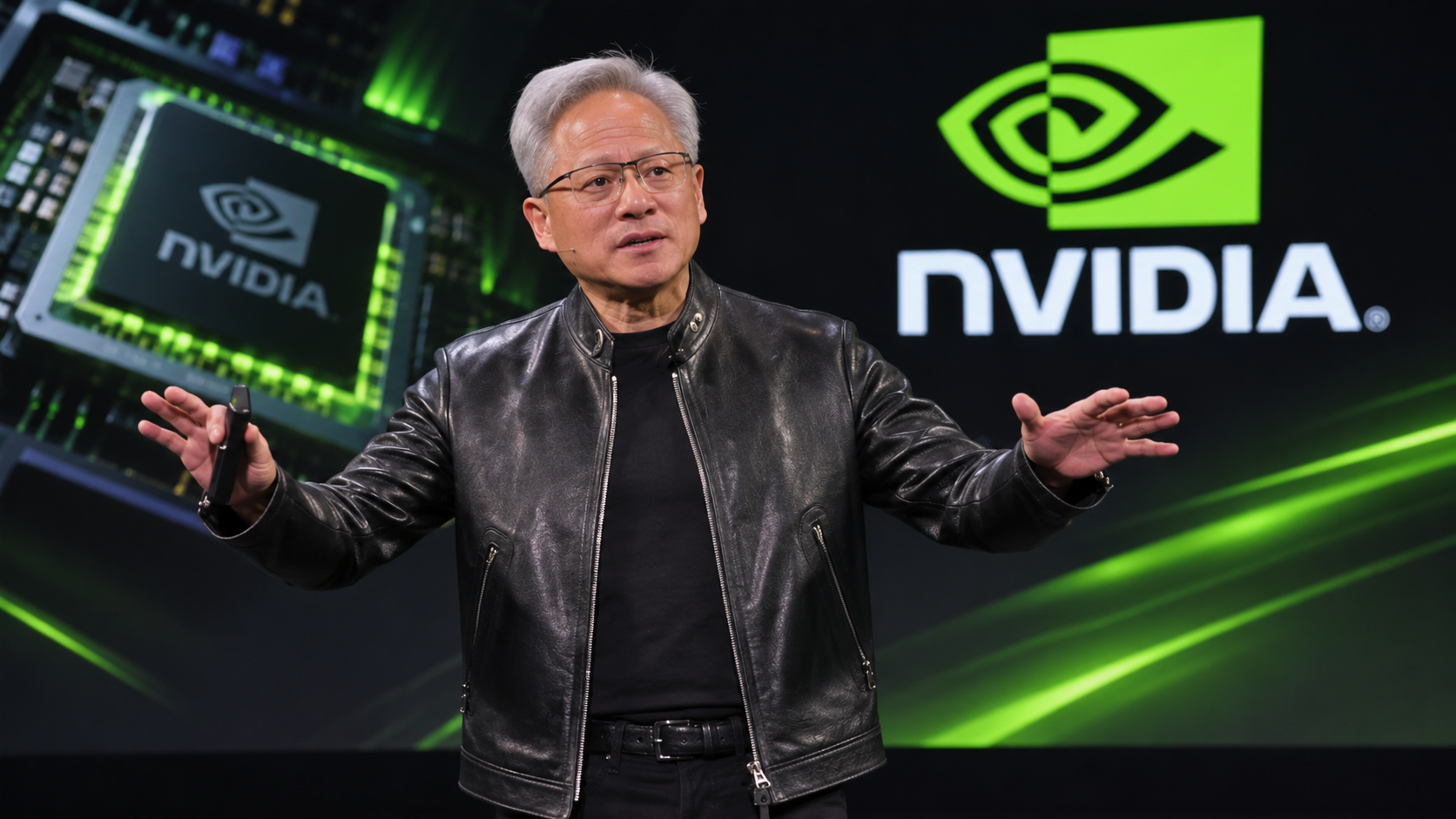
Why Did Jensen Huang Leave Nvidia?
The controversy centres on reports of alleged personal relationships involving Huang, including claims concerning a woman reportedly associated with a Singapore-based technology business. Some reports have also raised questions about possible connections to Chinese intelligence, although those allegations must be treated with considerable caution.
There is no established public finding that Huang engaged in espionage, knowingly shared confidential information with Chinese intelligence or committed a national security offence. A personal relationship, even one involving someone under suspicion, does not automatically establish wrongdoing.
Was Jensen Huang Actually Fired?
This is one of the most important questions. Being fired and resigning are not the same thing. A dismissal means the company formally removes an executive, while a resignation means the executive steps down, potentially under pressure.
Reports have suggested that Nvidia's board was considering Huang's future as controversy developed. However, the precise internal reasons for any leadership decision should not be presented as established without reliable corporate documentation. It would therefore be misleading to claim that Nvidia conclusively fired Huang for espionage or misconduct.
What Was the Real Reason Behind the Controversy?
Many readers are asking a simple question: Was this really about Huang's private life, or was something more serious happening behind the scenes? The answer depends on what can be independently established. Personal conduct, corporate governance and national security are separate issues, even when they become connected in public discussion.
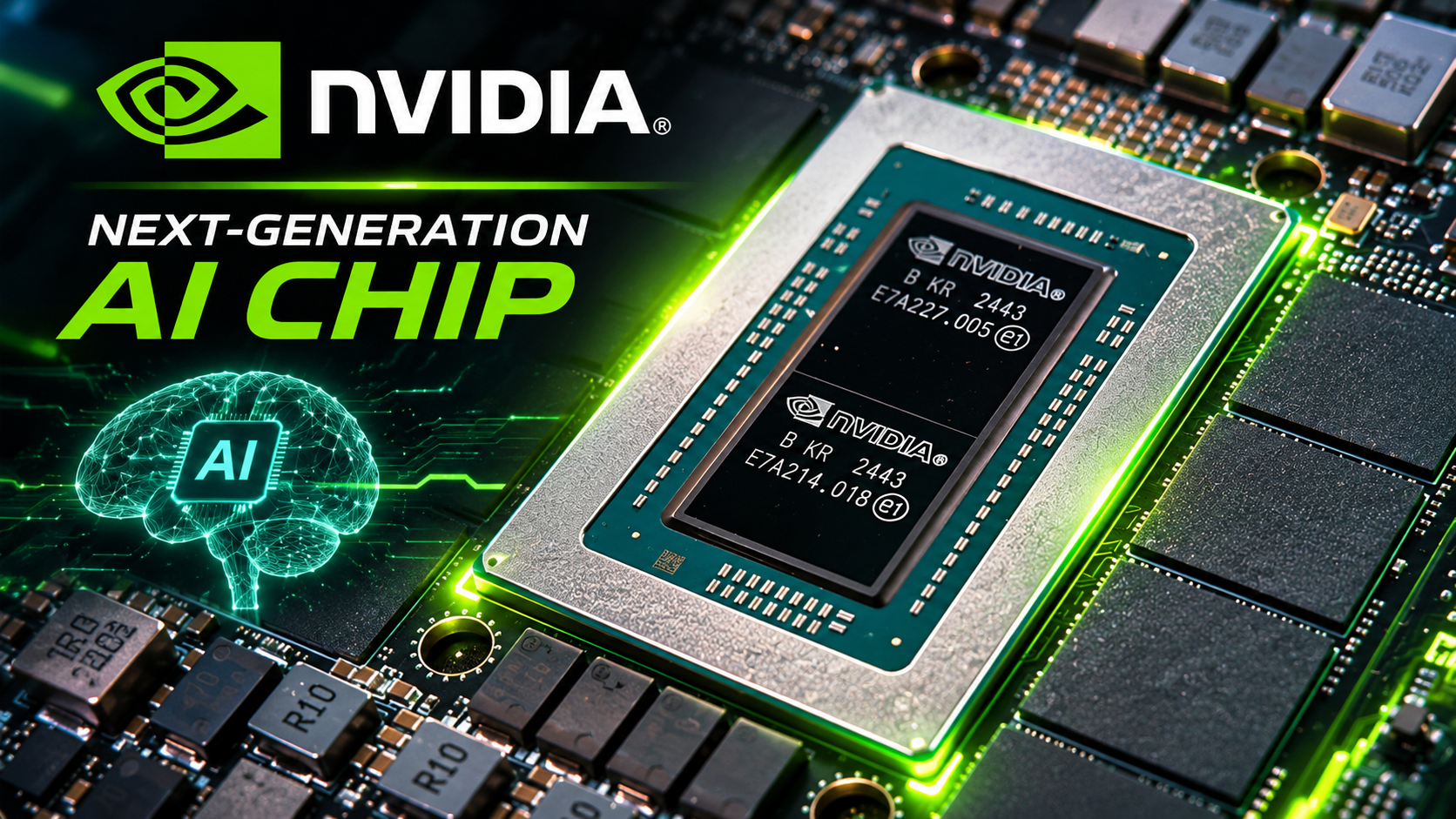
The national security angle has attracted particular attention because Nvidia develops technology central to the global AI industry. Its advanced processors are used to train and run powerful artificial intelligence systems. As competition between the United States and China intensifies, concerns about access to advanced semiconductor technology have become increasingly important.
Why Is Nvidia So Important to Artificial Intelligence?
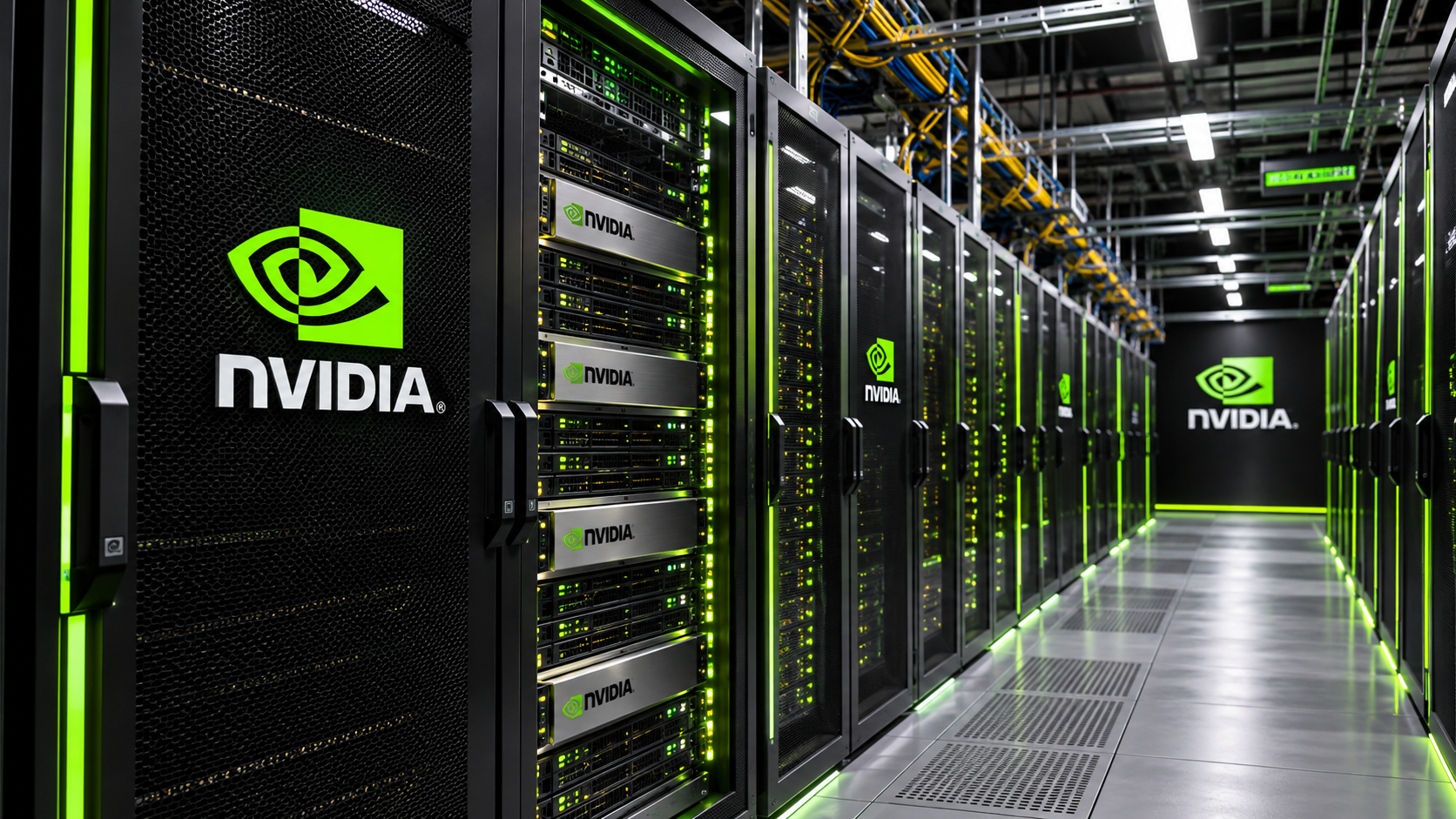
To understand why this story matters, it helps to understand Nvidia's business. Nvidia makes the powerful computer chips that many AI companies depend on. These chips, known as graphics processing units or GPUs, can perform enormous numbers of calculations simultaneously, making them particularly useful for artificial intelligence.
Think of Nvidia as a company supplying some of the most important machinery behind the AI revolution. OpenAI, major cloud computing providers and other technology businesses depend on advanced computing infrastructure to develop their systems. Huang played a central role in positioning Nvidia at the heart of this industry.
What Did Elon Musk Say About Hiring Jensen Huang?
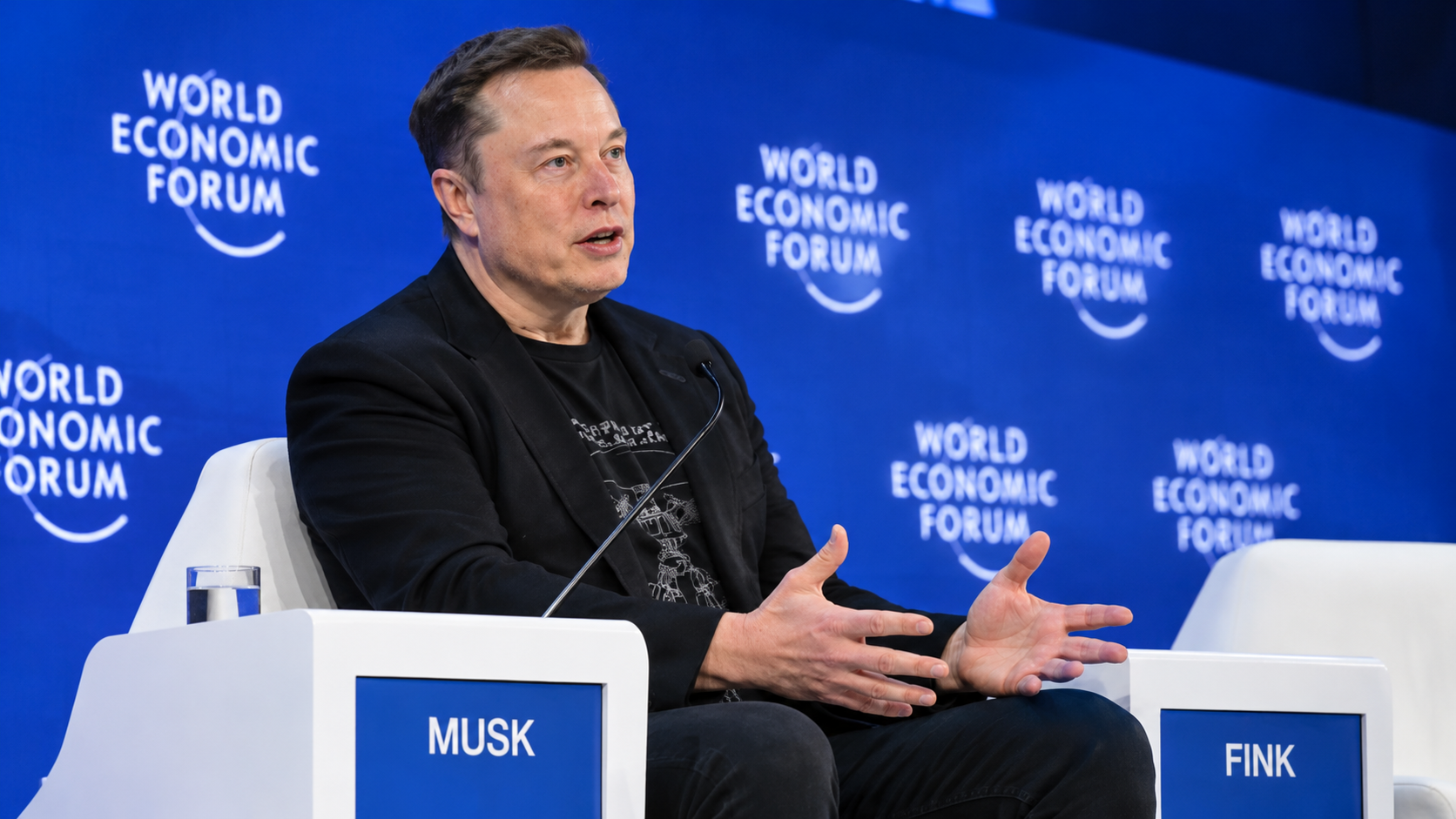
Amid discussion of Huang's future, an account on X called ZeroHedge reportedly suggested that Musk should recruit the Nvidia founder, writing: "Elon please hire Jensen." Musk's reported reply was short but significant: "That would be an honor."
The comment quickly attracted attention because it suggested that Musk held Huang's abilities in high regard. However, an expression of interest is not the same as a formal job offer. There has been no established public agreement identifying a role, salary, contract or start date for Huang at any of Musk's companies.
Why Would Elon Musk Want to Hire Jensen Huang?
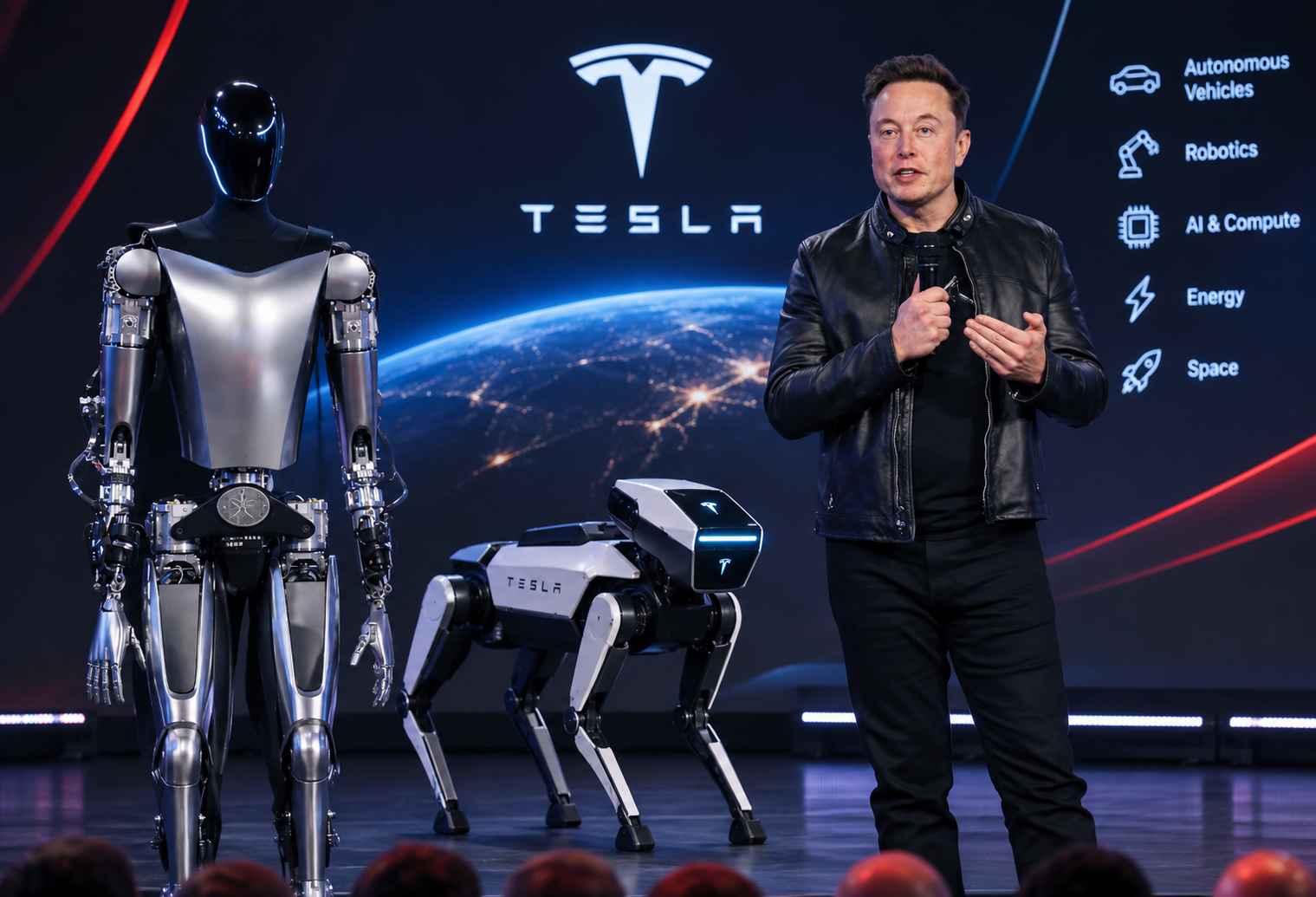
The simplest explanation is artificial intelligence. Musk is developing AI technology through xAI, autonomous driving systems through Tesla and robotics through projects such as the Optimus humanoid robot. All these ambitions depend on access to powerful computing hardware, efficient engineering and highly specialised technical expertise.
Huang brings decades of experience in semiconductor technology, AI computing and building a global technology business. If he were interested in joining one of Musk's companies, that knowledge could be enormously valuable. He understands not only how advanced chips work, but also how to develop the infrastructure and commercial relationships needed to bring cutting-edge technology to market.
Could Huang Help Musk Compete With OpenAI and Google?
Potentially, yes. Musk's xAI operates in an increasingly competitive industry, where companies are investing heavily in computing infrastructure to train more capable AI models. Huang's experience could help with hardware strategy, infrastructure planning and the efficient use of advanced processors.
But there is an important distinction. Huang's expertise would not automatically guarantee that xAI could outperform OpenAI, Google or other competitors. AI development also depends on research, software, data, talent, energy infrastructure and substantial investment. Any possible role for Huang remains speculative unless officially announced.
Could Musk Benefit From Building His Own AI Chips?
Another possibility involves Musk's ambitions to develop more of the technology used across his businesses. Producing specialised AI chips could potentially reduce dependence on outside suppliers, improve hardware optimisation and give Musk greater control over costs and product development.
Huang would be an interesting figure in such a strategy because he understands semiconductor design, manufacturing partnerships and large-scale computing systems. However, there is no confirmed arrangement for Huang to lead a chipmaking project for Musk, and building competitive semiconductor technology requires years of development and enormous investment.
Could Elon Musk and Jensen Huang Become an AI Dream Team?
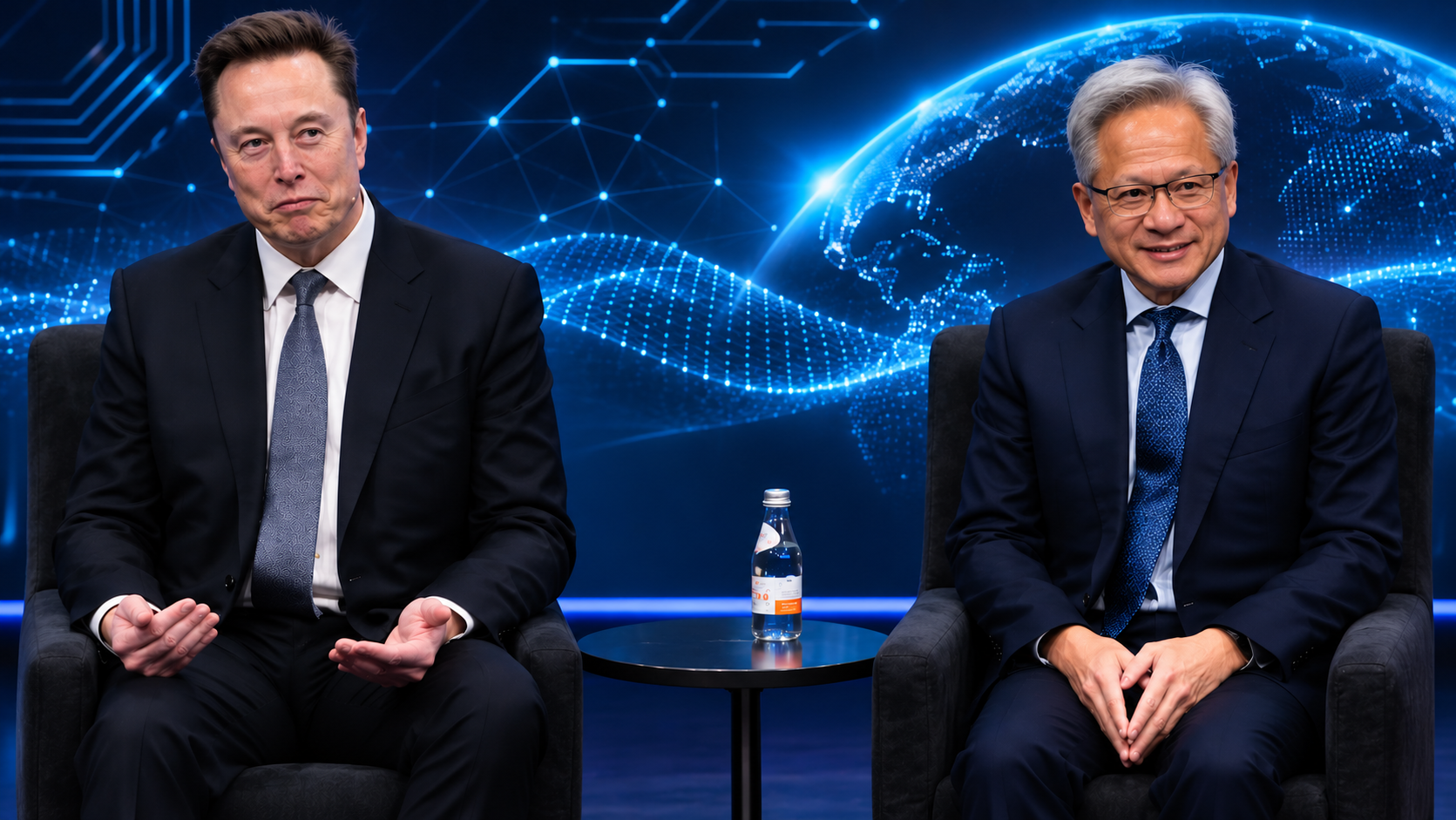
On paper, the combination is fascinating. Musk is known for pursuing ambitious projects in electric vehicles, space exploration, robotics and artificial intelligence. Huang is known for helping transform Nvidia into a central player in advanced computing. Their experience covers complementary areas of the technology industry.
But would their leadership styles work together? Would Huang prefer to run another company, serve as an adviser or pursue an entirely different path? These questions remain unanswered. A successful partnership would depend on their goals, responsibilities and willingness to collaborate, not simply their reputations.
What Happens Next?
For Nvidia, the central challenge is maintaining confidence in its leadership, technology and long-term business strategy. The company's position in AI computing has been built through years of engineering, software development and commercial relationships. Its future depends on far more than one individual, even someone as influential as Huang.
For Musk, the opportunity to work with Huang would be strategically interesting, but there is no confirmed hiring agreement. Any further developments should be assessed through official company statements and reliable reporting rather than online speculation.
The Bigger Question: Did Nvidia Lose a Visionary, or Could Musk Gain One?
Whatever the eventual outcome, the story illustrates how closely personal leadership, corporate reputation, advanced technology and geopolitical competition are connected. Nvidia's influence reaches across the global AI industry, while Musk's companies are seeking to push the boundaries of robotics and computing.
Could Jensen Huang's next chapter involve Elon Musk? Or will he choose an entirely different direction? Until an official announcement is made, the possibility remains an intriguing question rather than an established fact.
Editor's note: This article discusses reported allegations and potential future business arrangements. Allegations involving personal conduct or foreign intelligence should not be interpreted as findings of wrongdoing. The relevant corporate announcements and attributed remarks should be independently verified before publication.
Editorial illustrations: Rodaportal. The images are illustrative compositions and should not be presented as documentary photographs of actual events.