

Viktor Orbán argues that the European project, as currently organized, is failing and sliding toward disintegration. He claims the EU’s integration process has become an incremental erosion of national control rather than a consensual union of nations.
Orbán frames the present crisis as institutional: Brussels and dominant political groups, he asserts, have moved away from consensus-building toward what he calls an imperialistic approach. That shift, he warns, threatens the national sovereignty of middle-sized states like Hungary.
Why, According to Orbán, the EU is Failing
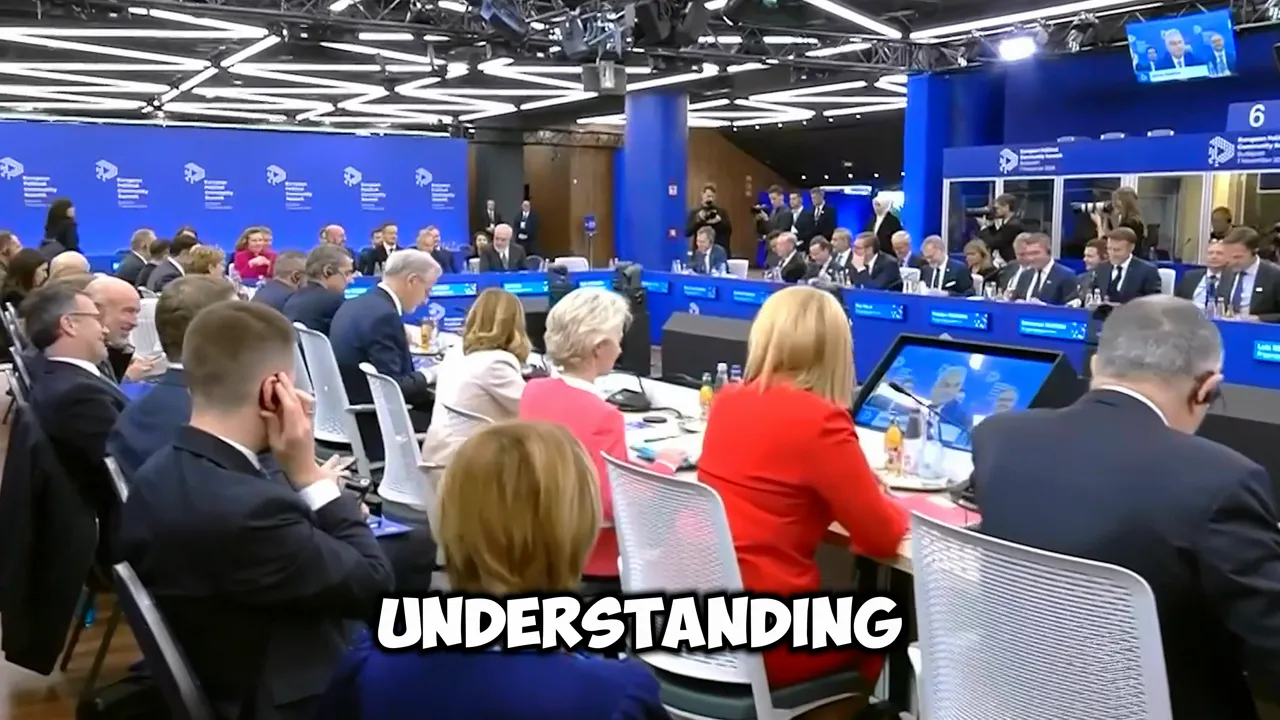
Orbán contends the power structure inside EU institutions is captured by leftist and liberal parties, including elements within the EPP. He maintains this alignment has produced top-down policies that are insufficiently debated and that clash with national priorities.
He describes the result as a system that is “failed” and “dying out,” arguing it no longer serves the interests of member countries. For him, this is not a sudden collapse but a slow disintegration driven by institutional choices.
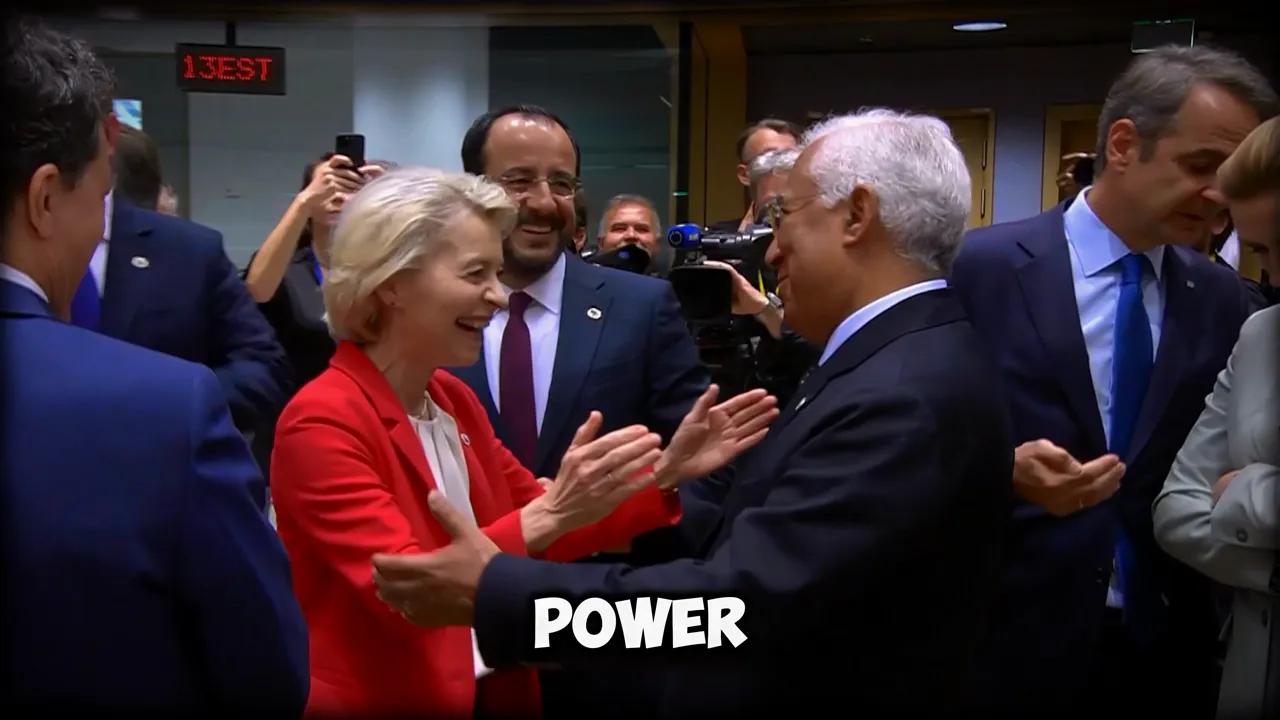
Brussels, Blackmail, and the Money Question
One central grievance Orbán raises is financial pressure from Brussels. He repeatedly asks, “Where are our money?” and accuses EU institutions of using funds as political leverage. Blocking or delaying transfers to Hungary, he says, amounts to political blackmail.
Orbán frames his domestic fights over funds as a “freedom fight” in the Hungarian sense: defending the nation’s right to its allocated resources and pushing back against what he calls arbitrary punishment from EU bodies.
Borders and Migration: Hungary’s Response
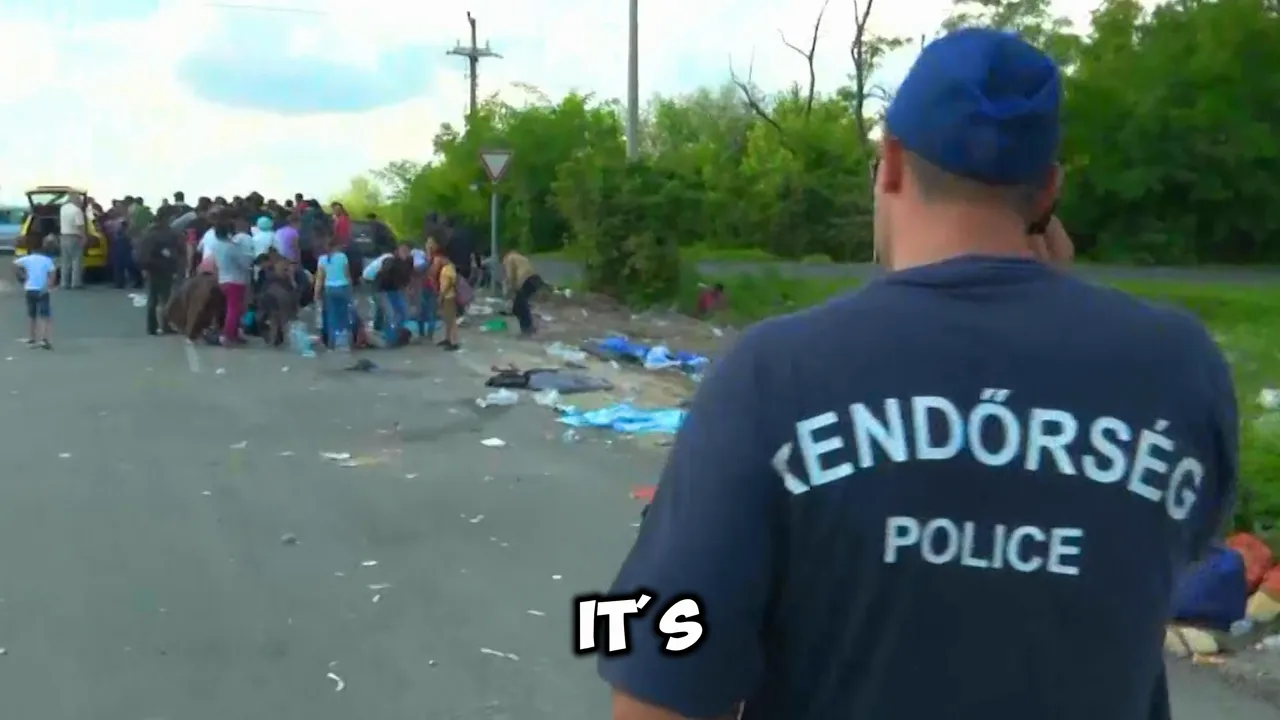
On migration, Orbán emphasizes strict border control as a matter of national choice. He highlights Hungary’s decision to erect a fence and prevent unauthorized entry, describing that policy as a necessary exercise of sovereignty: “We decided not to let anybody who would like to come Hungary without permission.“
He argues that enforcement of migration controls has been met with punitive measures from Brussels, calling the penalties absurd and claiming Hungary pays heavily to defend its border policy.
Culture, Family, and the Controversy Over Values
Orbán raises cultural concerns as central to the debate about Europe’s direction. He objects to liberal pressure to impose LGBTQ positions and curricula that undermine parental rights and traditional Christian values.
Additionally, he criticizes the European Green Deal as being presented in dictatorial terms. He accepts the need for environmental action but objects to measures he perceives as top-down mandates rather than outcomes of a plural, freedom-respecting process.
Democracy Under Strain: Participation Versus Outcomes
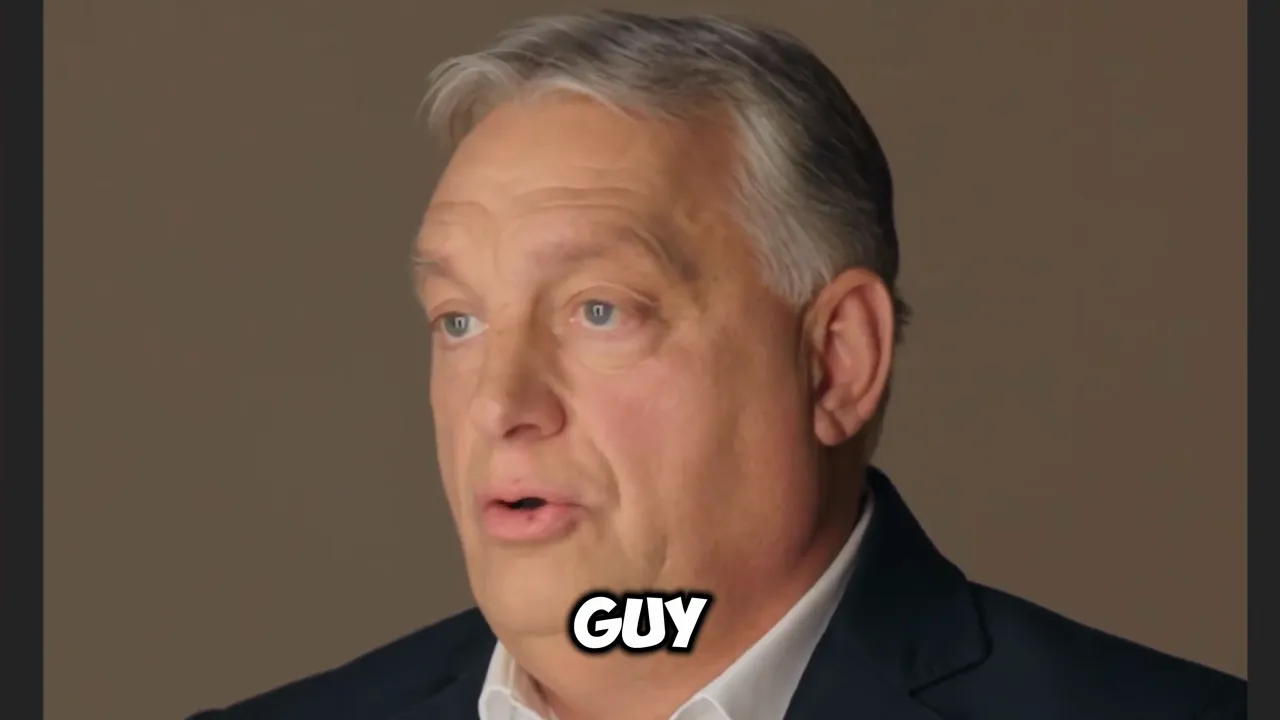
Drawing on classical definitions of democracy, Orbán focuses on two pillars: participation and effective government. He warns that participation without good outcomes becomes anarchy, and that democracies that cannot respond to major challenges lose legitimacy.
He lists war, migration, and economic competitiveness as areas where he believes Western Europe lacks effective answers. For Orbán, failure to manage these systemic issues threatens the survival of democratic systems in their present form.
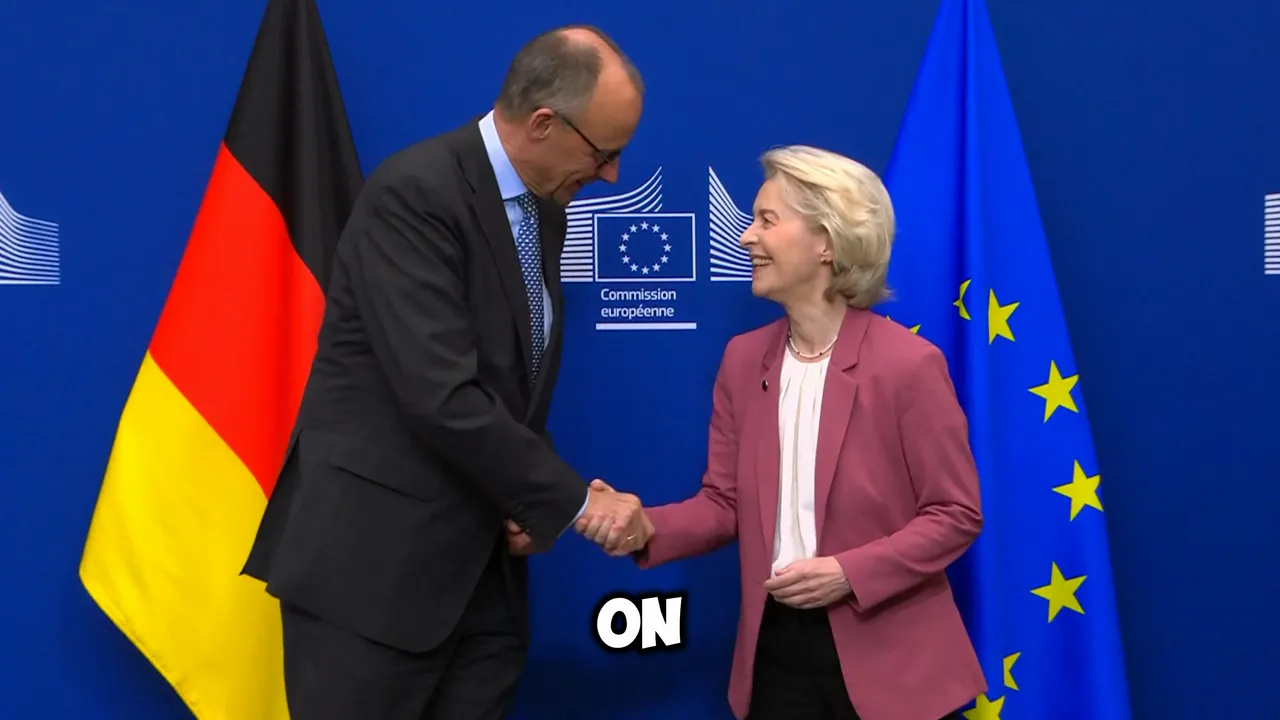
What Orbán Proposes: National Sovereignty and a New Architecture
Orbán rejects exiting Western alliances such as NATO or leaving the European fold. Instead he advocates reform: a new architecture for cooperation that respects national sovereignty as a cornerstone. He argues that future European integration must be built on nation-states, not on further centralization.
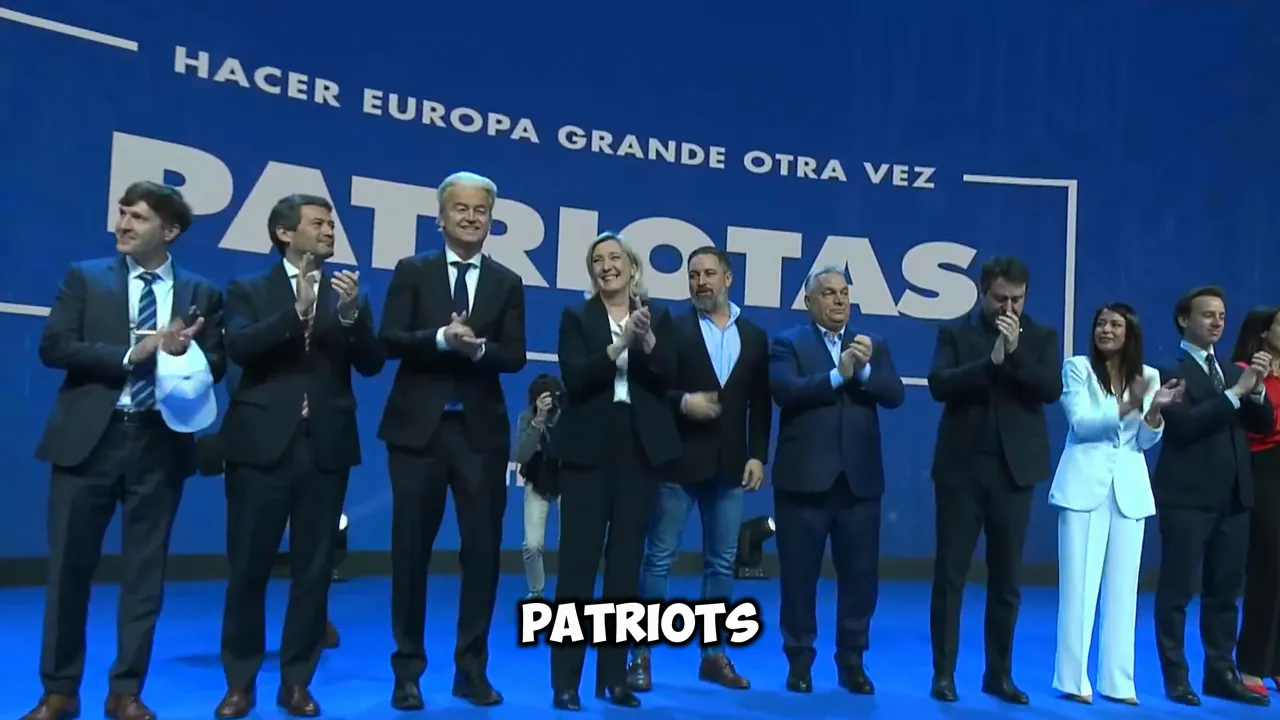
To achieve that, he says, nationalist and patriotic forces must win a majority in EU institutions. He describes his political aim as changing the power structure so that nations retain effective control over their policies.
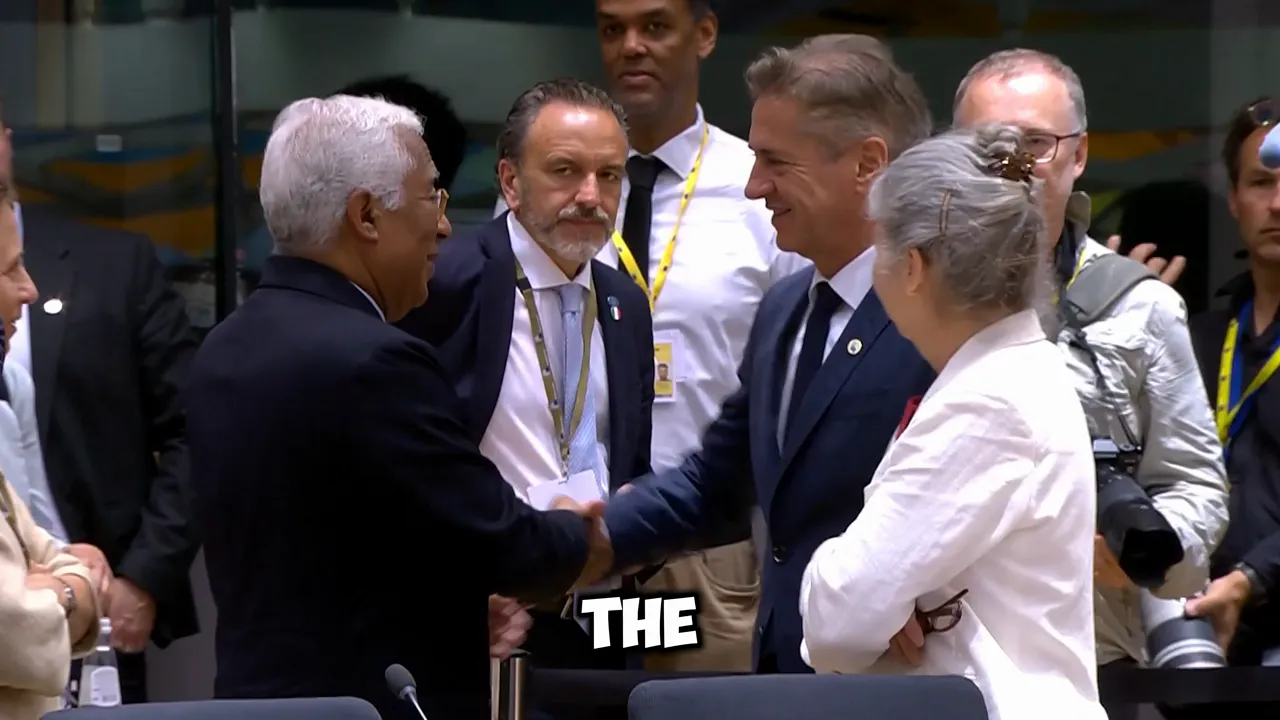
Practical Implications and Proposed Features of Reform
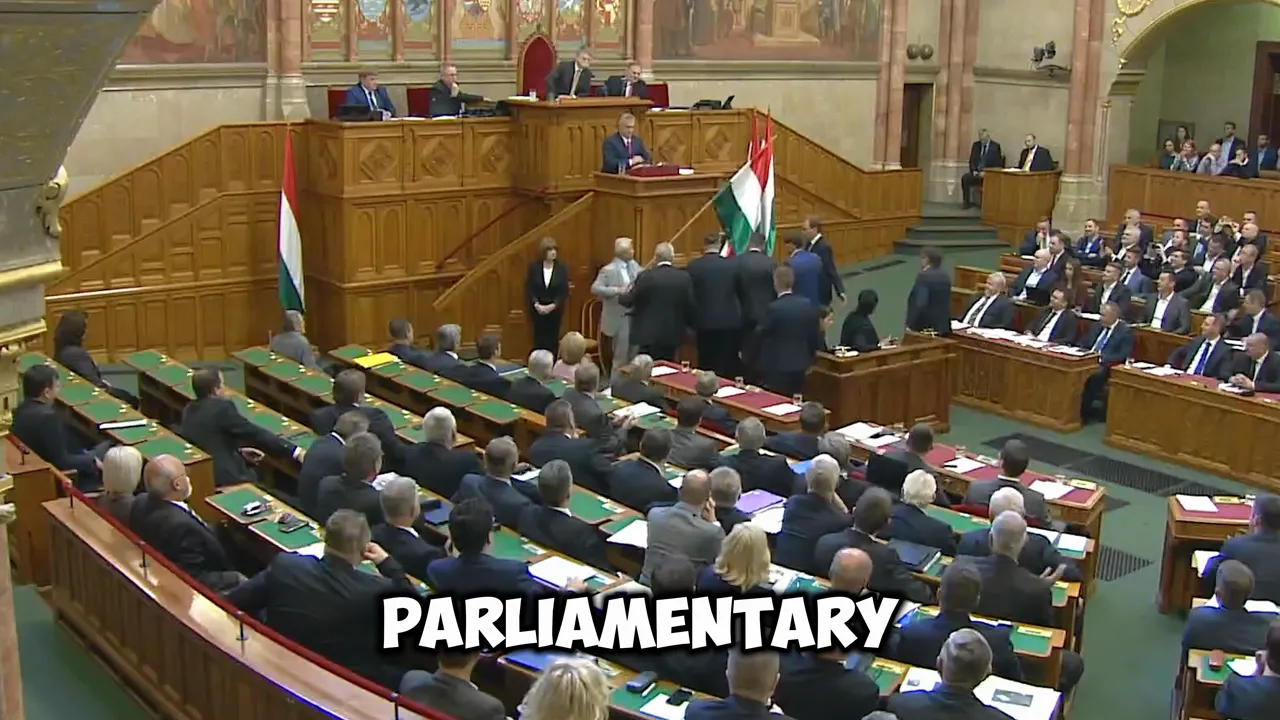
Orbán calls for systems that combine democratic participation with action-capable governments. He points to Hungary as an example he considers stable and effective: a parliamentary system with a strong majority that can enact policies decisively.
He suggests exploring innovative democratic forms that maintain civil involvement while producing efficient, coherent government outcomes. The goal, he says, is to strengthen democracy rather than replace it.
Key Grievances Summarized
- Institutional capture: EU bodies dominated by parties he labels liberal or leftist.
- Financial leverage: Conditionality and fund withholding seen as political blackmail.
- Migration policy: Defense of strict border controls and national decisions on entry.
- Cultural policy: Opposition to imposed curricula and what he terms compulsory values.
- Top-down environmental mandates: Criticism of how the Green Deal is implemented.
Conclusion: A Call for Negotiation, Not Abandonment
Orbán insists that Hungary remains part of the Western civilizational sphere and does not seek to leave the EU. His position is a call for renegotiation: keep cooperation but redesign the institutions so they respect national sovereignty and deliver effective governance.
Whether one agrees or disagrees with his points, the argument frames a broader debate about the balance between supranational integration and national autonomy. For Orbán, the future of European democracy depends on finding a structure that secures both freedom and effectiveness.

