

The question of whether the European Union has failed is a political judgment that touches sovereignty, democracy, migration, cultural identity, and institutional design. This article breaks down the main arguments used to claim the EU is failing, explains the practical implications for member states, and outlines realistic reform options that address both centralization and national autonomy.
Readers seeking to understand debates about Brussels, national sovereignty, and EU policy will find concise explanations of the core conflicts, common misconceptions, and concrete proposals for changing how European countries cooperate.
What people mean when they say “the EU has failed”
Claims that the EU has failed usually rest on three related complaints: the institutions have become too centralized, Brussels imposes policies that conflict with national priorities, and decision-making is perceived as unaccountable. These complaints focus as much on democratic legitimacy as on policy outcomes.
Failure is presented as a process rather than a sudden collapse: incremental shifts in competence, regulatory reach, or budgetary leverage can accumulate until member states feel their sovereignty and domestic choices are constrained.
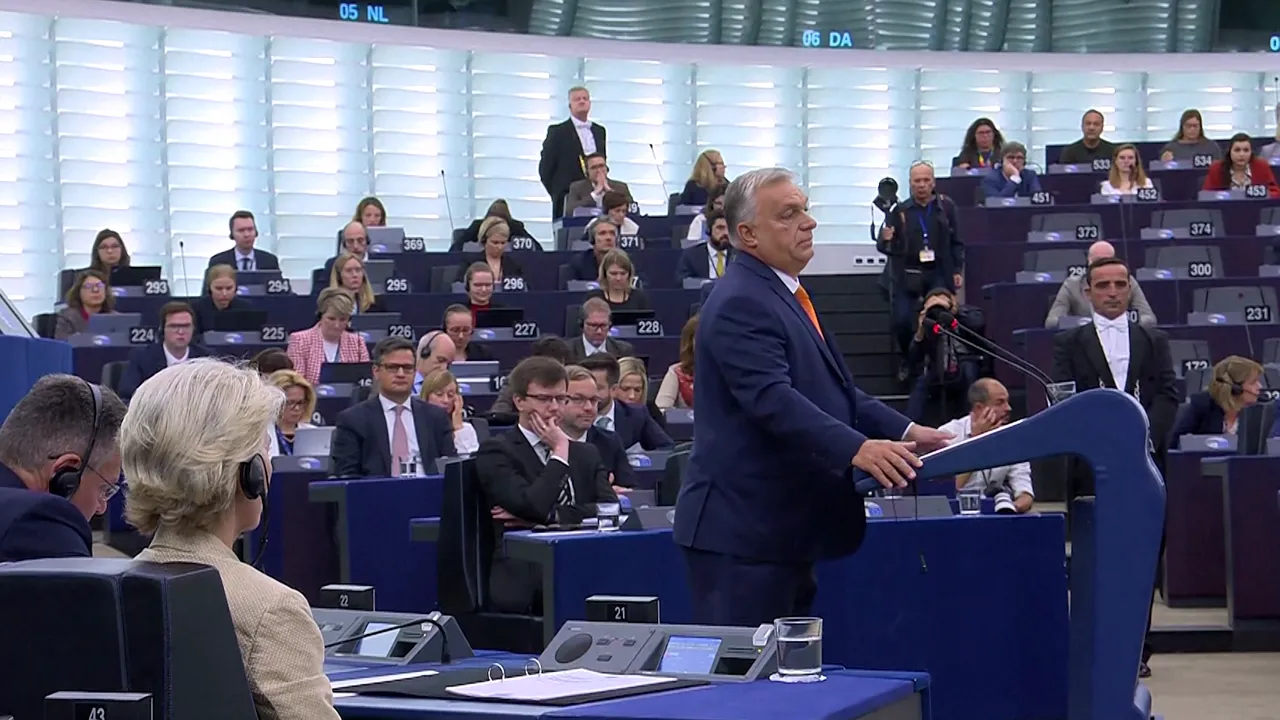
Who sets policy in the EU: institutions versus member states
The EU is a hybrid governance system. Some powers are pooled at the EU level (trade, competition, certain regulatory frameworks) while others remain the exclusive domain of member states (education, most social policy, immigration controls in practice). Tension arises when Brussels-level rules or incentives push member states toward uniform policies.
Accusations of institutional capture or ideological dominance often reflect political disputes about priorities and representation. Understanding how legislation is proposed, negotiated, and enforced clarifies where sovereignty remains and where it has effectively shifted.
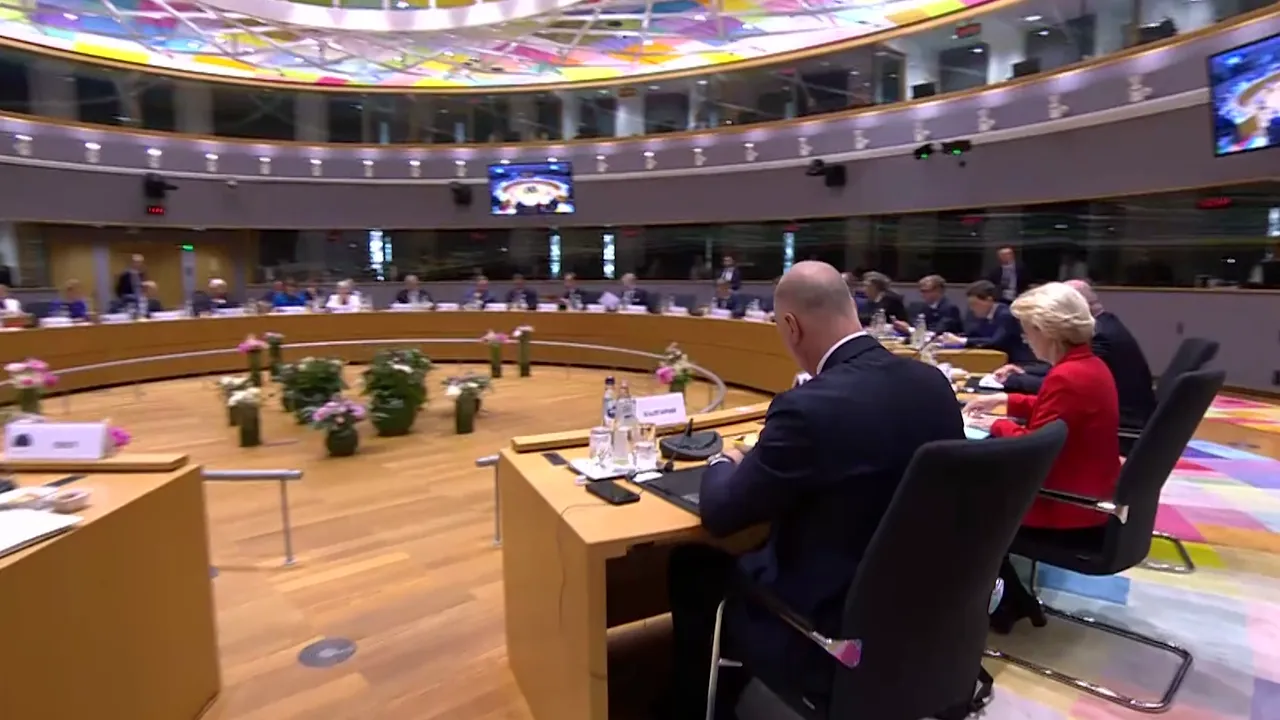
Centralization versus national sovereignty: the core trade-off
Centralized EU action can deliver common benefits—single market efficiency, coordinated climate policies, and stronger global bargaining power. But centralization also reduces the room for national variation in areas like culture, family policy, or migration preferences.
For countries that prioritize national control, perceived overreach looks like an attempt to build a supranational model or “one-size-fits-all” governance. The debate is therefore not just procedural but about the appropriate scope of shared decision-making.

Immigration policy and who decides population composition
One flashpoint is migration: whether quotas, asylum rules, or relocation schemes should be coordinated at EU level or decided by each state. Critics of central mandates argue that admitting residents affects national identity, public services, and social cohesion—issues they believe should remain sovereign decisions.
Supporters of EU-level migration measures say coordination is necessary to manage external borders, distribute asylum burdens fairly, and prevent unilateral actions that destabilize neighboring states. The policy trade-offs are practical, political, and ethical.

Values, education, and cultural policy: uniformity versus diversity
Another contested area is whether social values and educational content should be influenced by EU institutions. Some governments resist perceived normative pressure on topics such as family policy or school curricula, viewing it as interference in domestic cultural decisions.
EU institutions tend to promote core human-rights principles across the bloc, which can conflict with national traditions or majority preferences. Reconciling universal rights with cultural pluralism remains a complex, unresolved challenge.

Regulatory centralization and the European Green Deal
Ambitious EU-wide programs like the European Green Deal illustrate the tension between collective goals and national freedom. Supporters call such initiatives necessary for cross-border problems like climate change. Critics argue they can be implemented as top-down mandates that limit national policy choices and impose economic costs.
Evaluating these policies requires weighing long-term cross-border benefits against short-term distributional impacts and the process by which rules are adopted. Greater transparency and subsidiarity mechanisms can reduce friction.

Democracy, participation, and effectiveness: what the ancients taught
Concerns about EU legitimacy often invoke two democratic requirements: meaningful participation and competent governance. Participation means citizens and their representatives have a real say. Competence means governance delivers outcomes citizens expect, like security, prosperity, and rule of law.
If a system allows votes but consistently produces poor outcomes or feels unresponsive, citizens may see the result as dysfunctional. Any reform must therefore strengthen both input legitimacy and output performance.

Mixed societies, cultural change, and political consequences
Rapid demographic or cultural change can fuel political anxiety. Policymakers face the dual task of protecting minority rights while maintaining social cohesion and public confidence in institutions.
Public debate often frames integration either as a pathway to pluralism and liberalism or as a source of social friction. Crafting policies that balance inclusion with cultural resilience is among the toughest political tasks in Europe.

Practical reform paths for the EU
Reform proposals that aim to reduce tensions typically fall into several categories: restoring clearer lines of competence, strengthening national vetoes on sensitive issues, improving democratic accountability at EU level, and designing opt-out mechanisms for contentious policies.
Other options include differentiated integration (coalitions of willing states moving ahead together), faster decision-making for crisis response, and enhanced role for national parliaments in EU oversight. Each option involves trade-offs between unity and flexibility.

What member states can do now: checklist for governments
- Audit EU competences: Identify areas where national policy must remain primary and insist on clear legal protections.
- Push subsidiarity: Demand that the EU act only where it adds demonstrable value over national action.
- Form alliances: Build coalitions with like-minded member states to negotiate reforms or opt-outs.
- Engage citizens: Increase transparency about EU decisions and invite public debate on contested policies.
- Propose alternative models: Offer concrete mechanisms for differentiated integration or emergency decision procedures.

Pitfalls, misconceptions, and counterarguments
Common misconceptions include seeing centralization as inherently bad or assuming that every national preference is compatible with human-rights obligations. Overcorrecting toward isolation can reduce economic resilience and global influence.
Another risk is politicizing institutional reform so heavily that practical solutions become impossible. Effective change requires clear technical proposals, legal craftsmanship, and willingness to compromise.

Short summary and key takeaways
Debates about EU failure combine sincere governance grievances with ideological disagreements over identity, migration, and values. The core tension is how to balance collective action with national self-determination.
Realistic reform should aim to improve democratic legitimacy, clarify competencies, allow flexibility where appropriate, and preserve the benefits of cooperation without eroding core national choices.

Final thought
Whether the EU is labeled a failure depends on normative priorities: solidarity and harmonization versus national autonomy and cultural preservation. A sustainable way forward will require institutional creativity, honest political negotiation, and mechanisms that let both convergence and diversity coexist within Europe.
Policymakers and citizens who want change should focus on specific, legally viable proposals rather than abstract indictments; that approach makes reform both achievable and measurable.

