

Core claims and the language of replacement
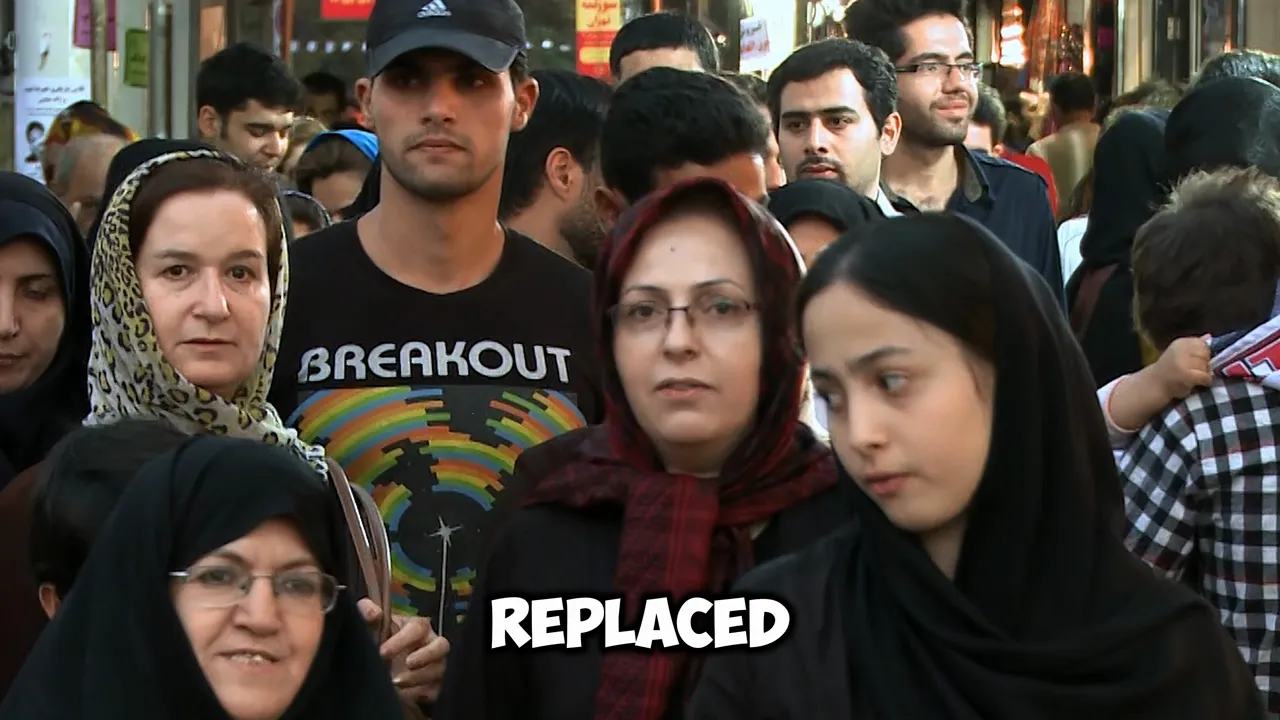
Geert Wilders, Member of the Dutch House of Representatives and leader of the PVV, frames the current moment as an existential demographic crisis. His central claim is stark: Western Europe is being “replaced” by immigrants from non‑Western countries, and this replacement, he says, threatens the identity and survival of Western societies.
Wilders uses strong language—“replaced,” “colonized,” “Islamized”—to describe a process he attributes to open‑door immigration policies and weak political leadership. For him, the answer is not gradual reform but a decisive politics of courage rather than a politics of fear.
Political movements, public reaction, and free speech
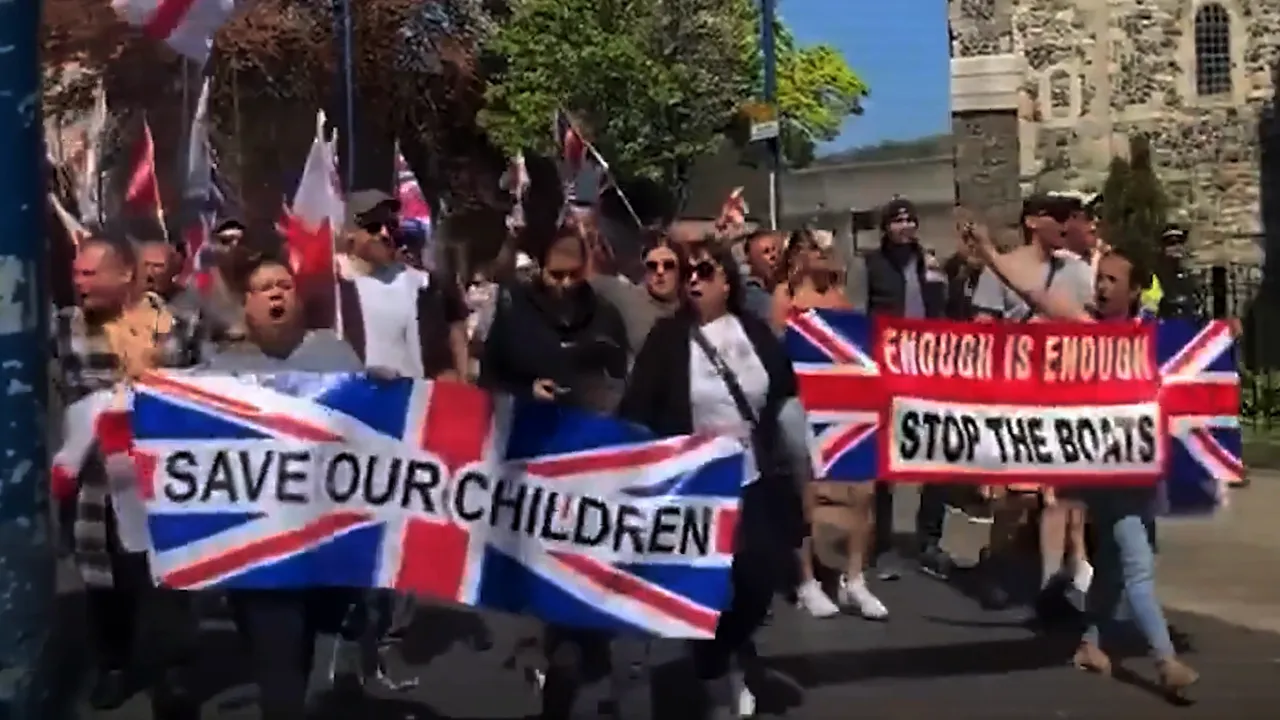
Wilders points to the rise of similar parties across Europe—in Sweden, Germany, and elsewhere—as evidence of a broader “Western awakening.” He argues that growing support for hardline positions reflects widespread frustration with political elites he calls cowardly and politically correct.
Free speech and civilizational defense are central themes. Wilders contends that both Islamist threats and politically correct elites try to silence critics, and he casts his movement as defending Western civilization and its right to speak openly about perceived dangers.
Policy proposals: de‑Islamization, schools, and mosques
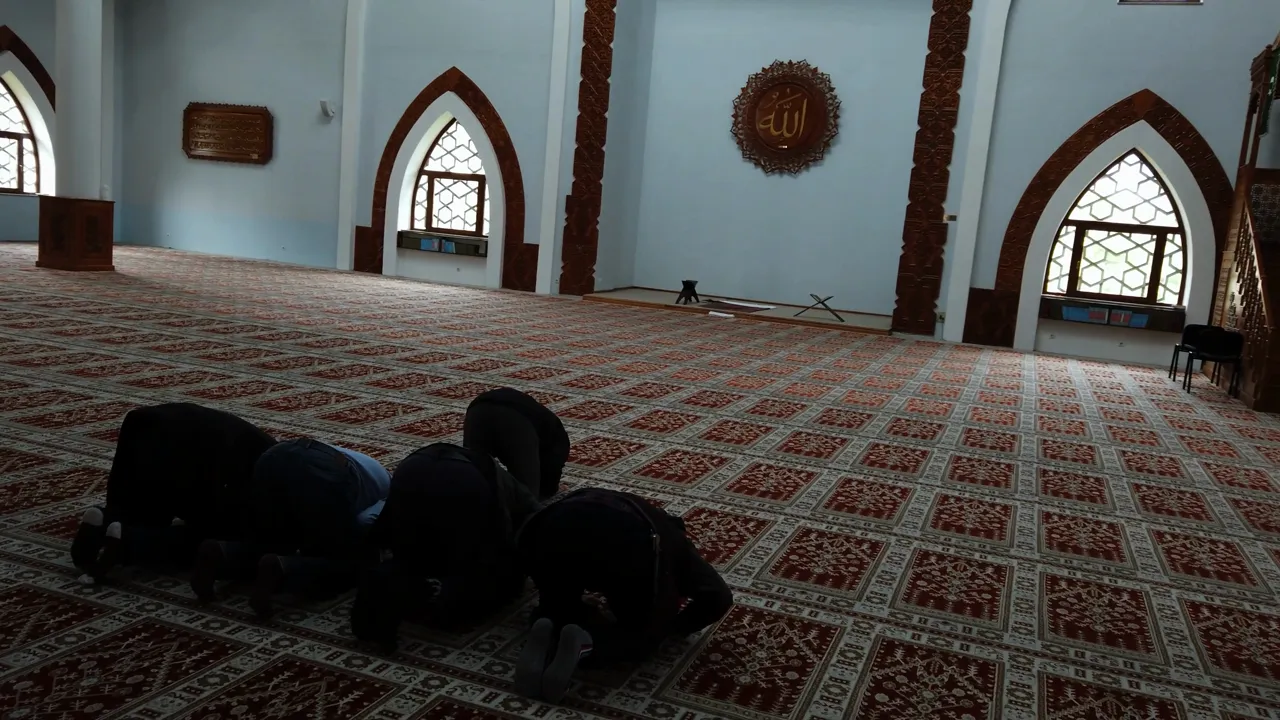
Among the most controversial elements of Wilders’ platform are explicit proposals to “de‑Islamize” society: shut down Islamic schools, close mosques, and end immigration from Islamic countries. He argues these measures are necessary to force assimilation and to stop what he describes as the spread of Sharia and anti‑Western values.
Wilders frames these actions as defensive: not aimed at individuals per se, but at stopping an ideology he considers incompatible with secular constitutions. He qualifies that not every immigrant is criminal, but maintains that an imported Islamic culture, in his view, seeks to submit Western societies.
Nationality, red lines, and the rule of law
On inclusion and exclusion, Wilders draws a clear line: Muslims who adhere to the constitution and secular laws are, in his words, “welcome” and equal. But those who cross what he calls “red lines”—by practicing Sharia in ways that violate constitutional norms—should face immediate removal of nationality and deportation, he says.
He pairs this with a broader sovereigntist agenda: reinstate strict border control, withdraw from Brussels and the European Union, and explicitly defend the Judeo‑Christian roots of Western civilization. Cultural relativism and political correctness are cast as the primary obstacles to these goals.
Constitutional rights, ideology, and the rhetoric of war
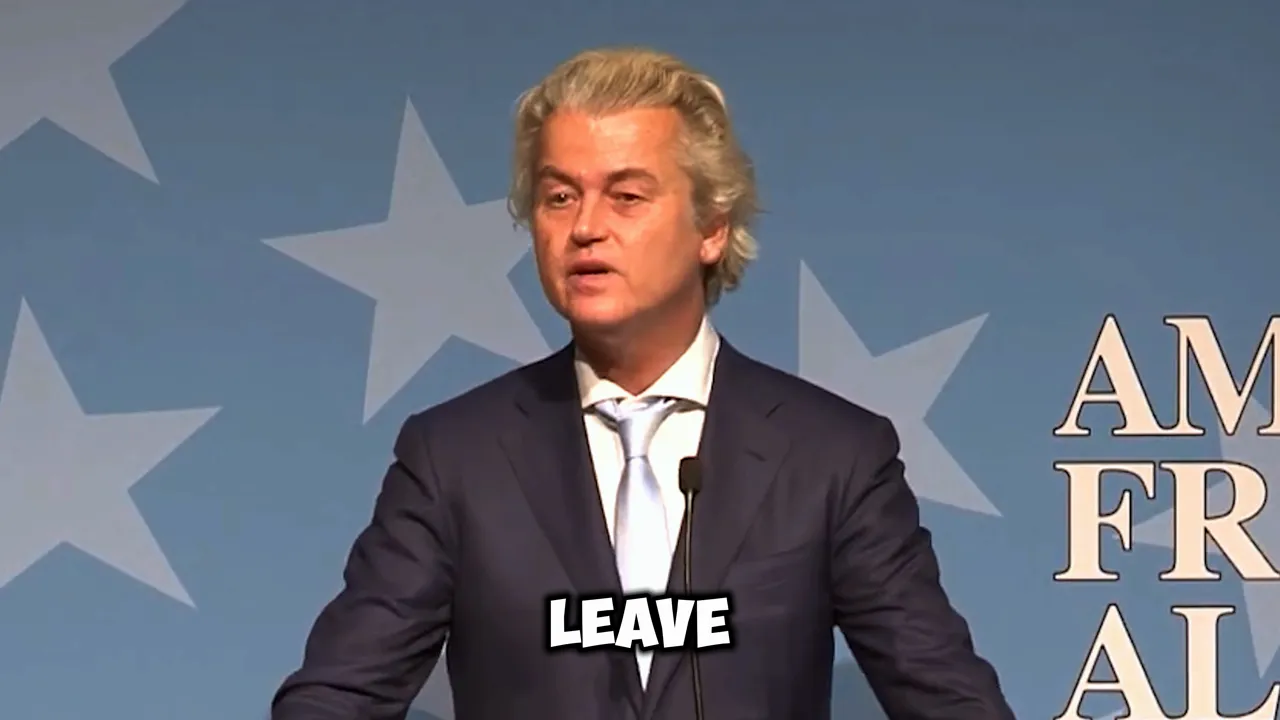
Wilders repeatedly frames the situation as an ideological existential struggle. He asks whether constitutional rights should be extended without reservation to an ideology he describes as totalitarian and claims that, if permitted to dominate, it would “finish” Western constitutions.
This escalatory language culminates in assertions that “war has been declared on us” and calls for defensive measures to stop what he sees as subversion: building mosques and schools with foreign funding that preach hatred, using legal systems to harass critics, and acting as a fifth column inside Western democracies.
Threat perception and public debate
Drawing on recent attacks and security incidents, Wilders emphasizes the omnipresence of Islamic violence as proof that political leaders and media are ignoring a real danger. He rejects the narrative that Islam is broadly a “religion of peace,” insisting the threat is systemic rather than limited to extremists.
That framing is designed to shift public debate away from multicultural accommodation toward securitized, identity‑based policy responses. He warns readers and voters not to be “fooled” by reassurances from establishment voices.
A reasoned alternative: security and integration without blanket discrimination
Whether one agrees with Wilders or not, his speech highlights real policy questions: How should liberal democracies manage immigration? How can societies preserve social cohesion? How do we balance freedom of religion and expression with public safety and the rule of law?
Constructive responses do not require abandoning democratic principles. Practical measures that address concerns raised in the debate include:
- Targeted security and law enforcement: robust counterterrorism, intelligence sharing, and resources for policing that focus on individuals and networks, not entire faith communities.
- Strict but fair immigration screening: transparent vetting procedures, enforceable residency conditions, and expedited removal processes for those who break laws.
- Civic integration policies: mandatory language and civic education, labor market access programs, and community partnerships to support integration while respecting rights.
- Clear legal standards: apply constitutional protections consistently, and ensure religious institutions operate within the same legal framework as other organizations.
Closing thoughts
The arguments presented are polarizing by design. They tap into fears about demographic change, identity, and security, and they call for sharp, immediate policy shifts. Democracies must take threats seriously, but responses should be proportionate, rights‑respecting, and grounded in evidence rather than in blanket generalizations about an entire religion or its adherents.
Open debate about immigration, integration, and national identity is necessary. That debate is healthiest when it distinguishes between legitimate security concerns and rhetoric that stigmatizes whole communities. Policies that combine rigorous security, enforceable legal standards, and genuine opportunities for integration offer a path that defends both safety and the democratic values many say they cherish.

