

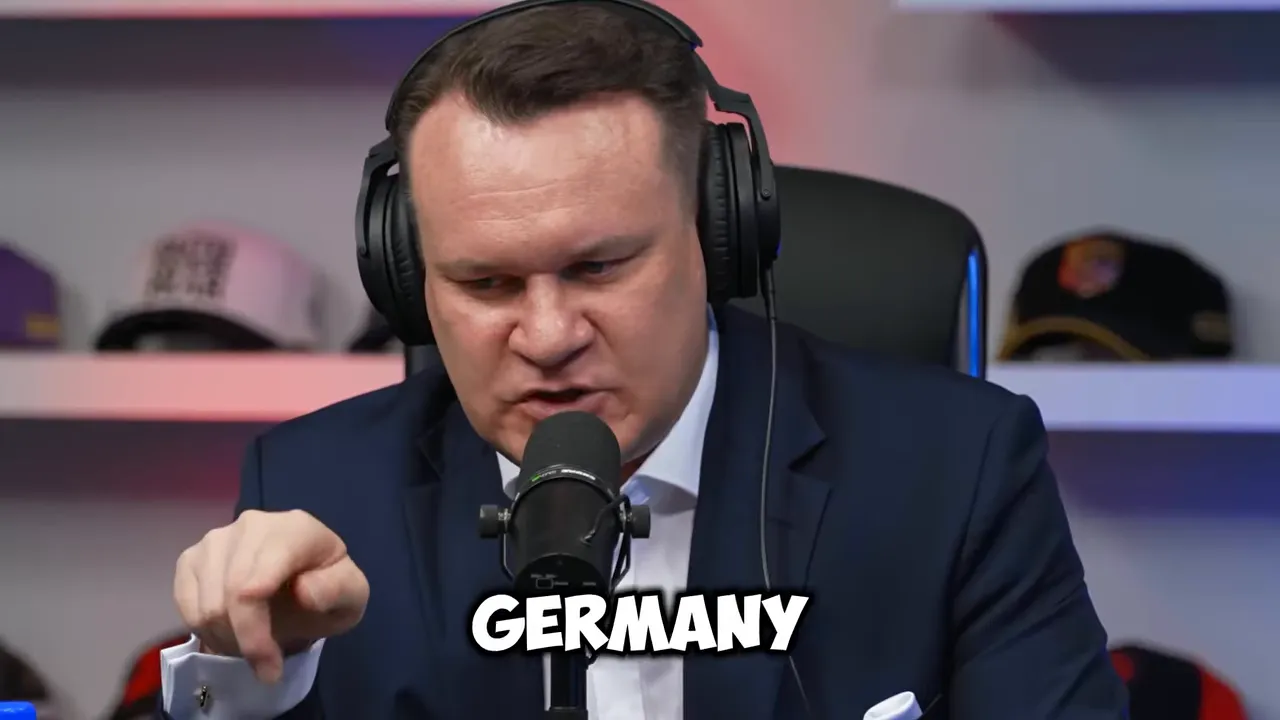
Dominik Tarczyński delivers his argument with no hesitation and no attempt to soften the edges. His central claim is stark: much of Western Europe has been permanently damaged by mass migration, while Poland avoided the same fate by refusing to open its borders in the same way.
What follows is not a cautious policy memo. It is a forceful political indictment of European migration policy, of what he sees as weak leadership in Germany, France, Sweden, and the United Kingdom, and of a broader political class he accuses of being too afraid to act. At the center of his message is one idea repeated again and again: Poland stayed safer because Poland said no.
“Not even one”: the principle behind Poland’s migration stance
Tarczyński frames the migration issue as fundamentally different from the migrations of earlier centuries. In his telling, migration in the present era cannot be compared to movement in the 1800s because the scale, motivations, political context, and cultural consequences are not the same.
That distinction matters because it underpins his most uncompromising slogan: do not let anyone in illegally, not even one. He presents this not as rhetoric but as a governing doctrine. For him, once a country abandons strict control, it begins a process that is extremely difficult to reverse.
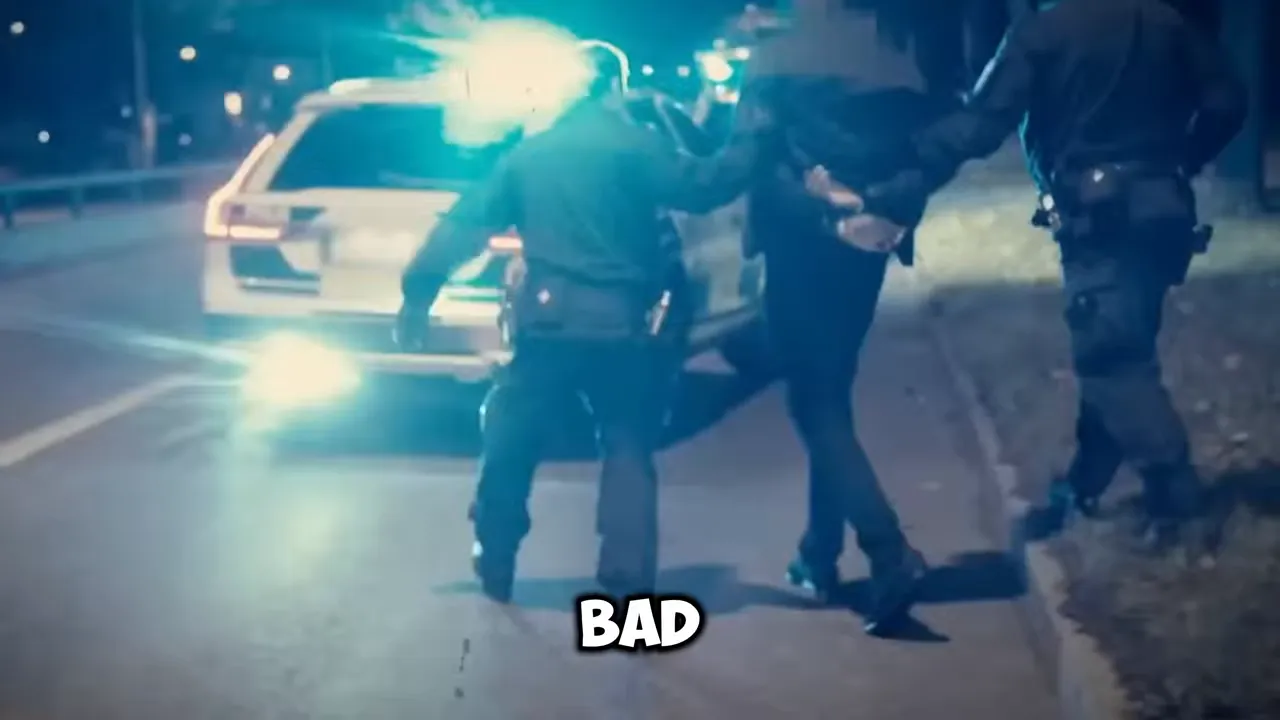
He contrasts Poland with countries such as England, Wales, Germany, France, and especially Sweden, which he describes as examples of states that invited in large numbers of migrants and are now living with the consequences.
In his version of events, Western Europe did not merely fail to stop illegal migration. It encouraged it. He points in particular to Germany under Angela Merkel, arguing that the country opened the door in pursuit of cheap labor. His answer to Europe’s demographic and economic pressures is the opposite approach: fewer abortions, more families, more children, rather than importing labor through mass migration.
Why he sees the left as responsible
Tarczyński places the blame squarely on the political left. He argues that left-wing parties across Europe brought migrants onto the continent and now refuse to admit the consequences. In his view, this is not just a policy mistake. It is an ideological project disconnected from reality.
He describes the left as so committed to its agenda that it will reject any policy associated with Donald Trump regardless of merit. That, he says, explains the anger he sees from progressives around the world. They believe they should set the terms of debate, and they react furiously when challenged.

This leads directly into one of his strongest claims: that Donald Trump was not only good for the United States, but also good for Europe. Tarczyński praises Trump as a leader who put national interest first and forced others to do the same.
His NATO example is central here. European countries had agreed to spend 2 percent on defense, yet many failed to meet that commitment. Tarczyński argues that Trump did something European leaders had not expected: he insisted they honor the deal. In his telling, Europe was shocked not because Trump was unreasonable, but because he was willing to say plainly that the United States should not serve as Europe’s private bodyguard while European governments spent heavily elsewhere.
The Western European cities he says are “done”
From there, Tarczyński broadens his case into a civilizational warning. He argues that many people still do not grasp the scale of what has happened in cities across Europe. He names Sweden, Germany, Paris, Rome, and Munich as places that have been transformed for the worse.
His argument is not limited to economics or bureaucracy. He frames this as a security crisis and a cultural crisis at the same time. He speaks of daily reports of rapes, stabbings, and machete attacks, and attributes these developments to weak borders and permissive migration policy. In his view, Europe admitted large numbers of people from very different cultural backgrounds without demanding integration or safeguarding public order.
His conclusion is sweeping: many major Western European cities will never be the same again. He says that when he looks at Rome or Paris, he sees places that are effectively lost. The phrase is deliberately provocative, but it captures his broader thesis that once mass migration reaches a certain scale, a country no longer controls the terms of its own future.
Against that picture, he places Poland. Warsaw and Kraków, he argues, remain safer precisely because Poland did not follow the Western model. Poland, in his telling, learned from history, especially from life after communism, and became more alert to existential threats that others ignored.
Mass migration, jihadism, and the comparison to communism
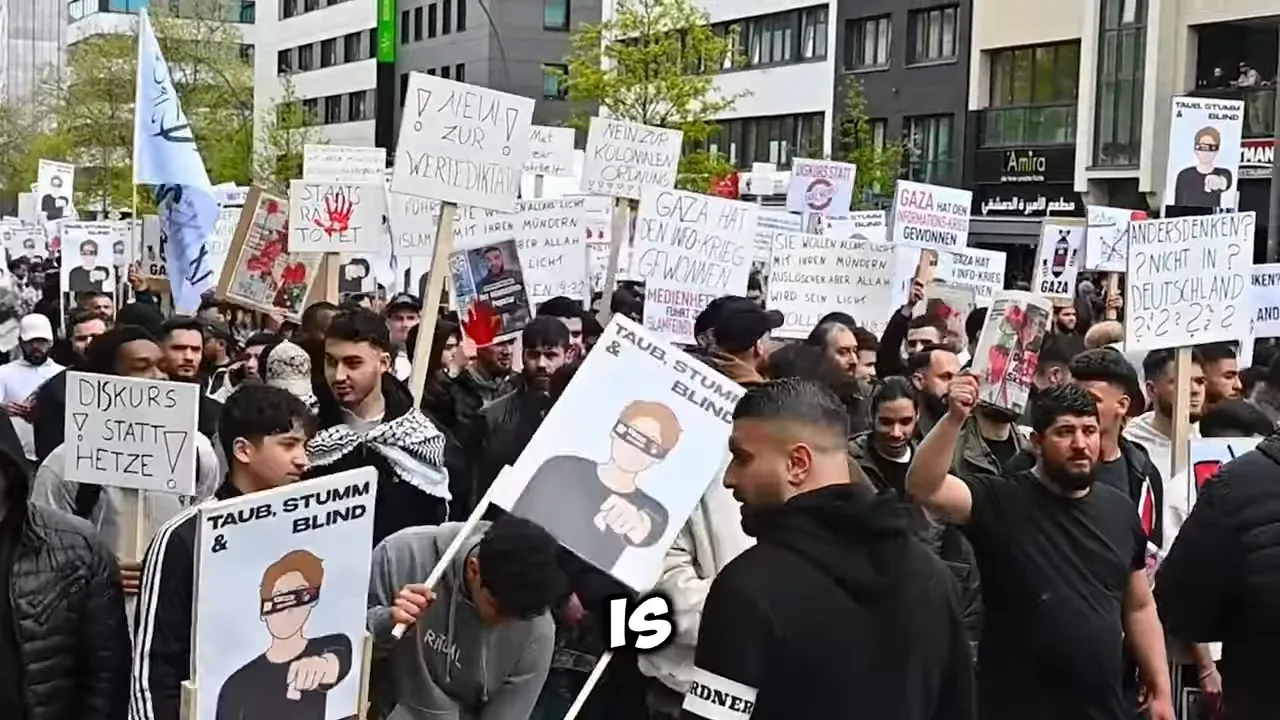
One of the strongest lines in his speech is the claim that jihadists are as dangerous as communism. This is not a casual comparison. In the Polish context, communism is not an abstract historical topic. It is associated with occupation, repression, loss of sovereignty, and decades of political distortion.
By drawing that parallel, Tarczyński is saying that Europe is facing a threat that is not merely criminal or administrative. He sees it as ideological and systemic. In his words, the continent is being destroyed because it failed to recognize that danger early enough.

He argues that for too many years there was no leader willing to state the obvious and act decisively. That is where Trump returns in his narrative, this time not only as a NATO pressure point but as a model for deportation policy.
Tarczyński’s preferred deportation framework is blunt and transactional. Detain illegal migrants, put them on planes, and force countries of origin to bear the costs. He describes this as basic statecraft: use leverage, use contracts, and stop pretending the process is too complicated. In his view, governments already possess the tools they need. What they lack is political courage.
Germany as the example of weak government
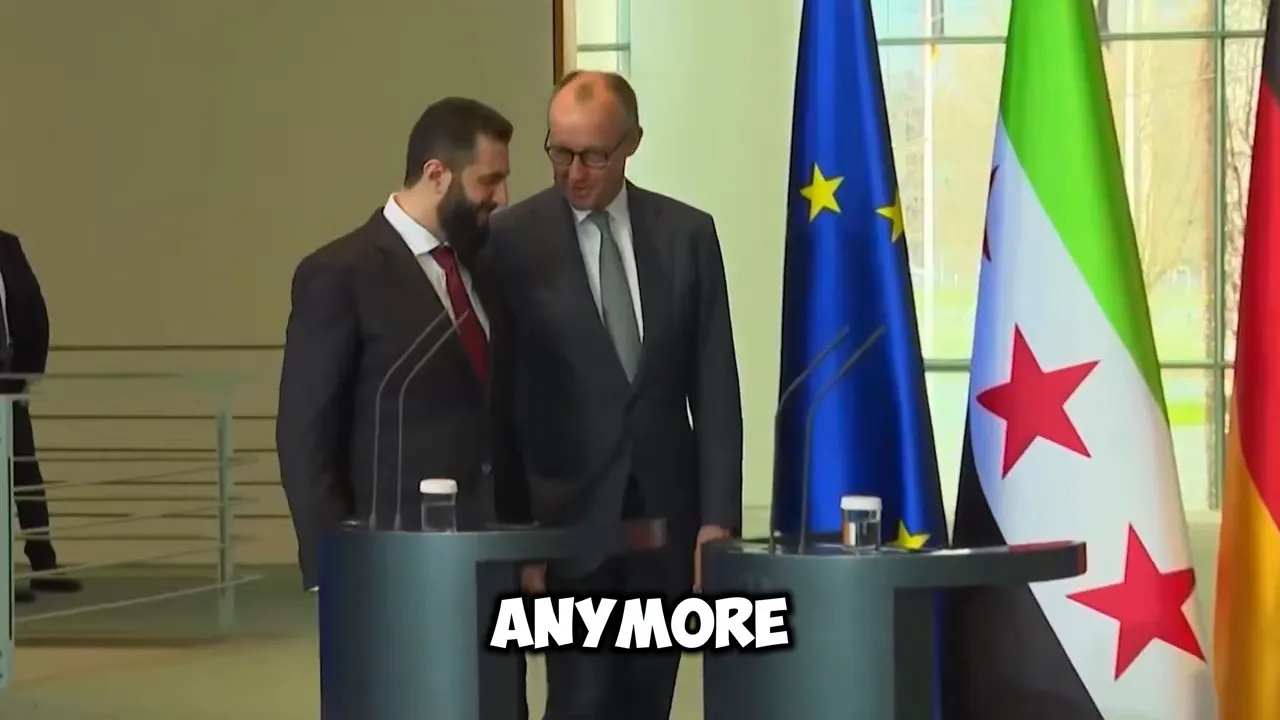
Germany plays a major role in his critique because he presents it as the clearest example of a state that lost control after inviting in large numbers of migrants. He points to reports that Germany intended to send hundreds of thousands of Muslims back, particularly to Syria, on the grounds that conditions had changed.
But instead of demonstrating authority, he says, Germany met protests from those scheduled for removal, including efforts to organize politically in order to stay. For Tarczyński, that illustrates the core problem. Once a government loses the will to enforce its own decisions, every declaration becomes theater.
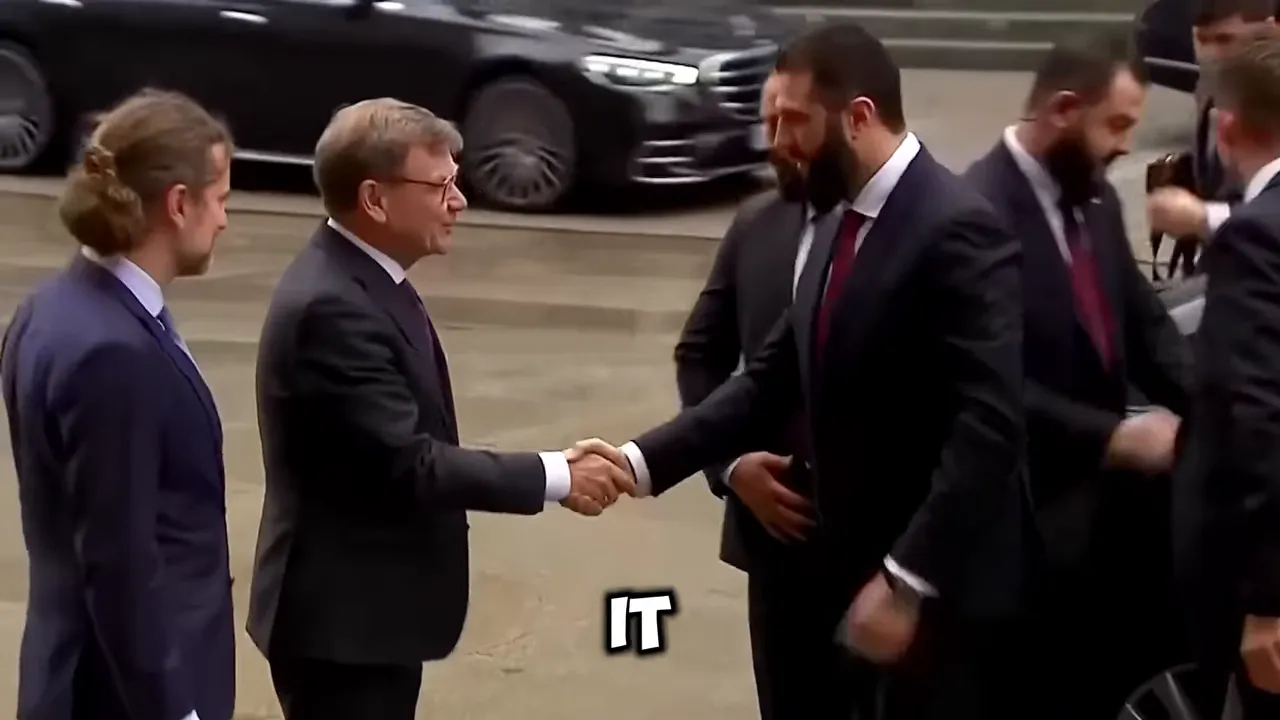
He insists the economics are just as clear as the security logic. Sending illegal migrants back, he argues, is cheaper than carrying the long-term costs of housing, welfare, education, healthcare, and social strain. His metaphor is medical: Europe is bleeding, and before anything else, the bleeding has to stop.
That is also where his own political ambition enters the picture. He says that if his side returns to power in Poland, he would be willing to leave the European Parliament and return to national politics, ideally serving as minister responsible for migration. The implication is obvious: this is not a side issue for him. It is the front line.
“Islamophobia” and the argument over naming the problem
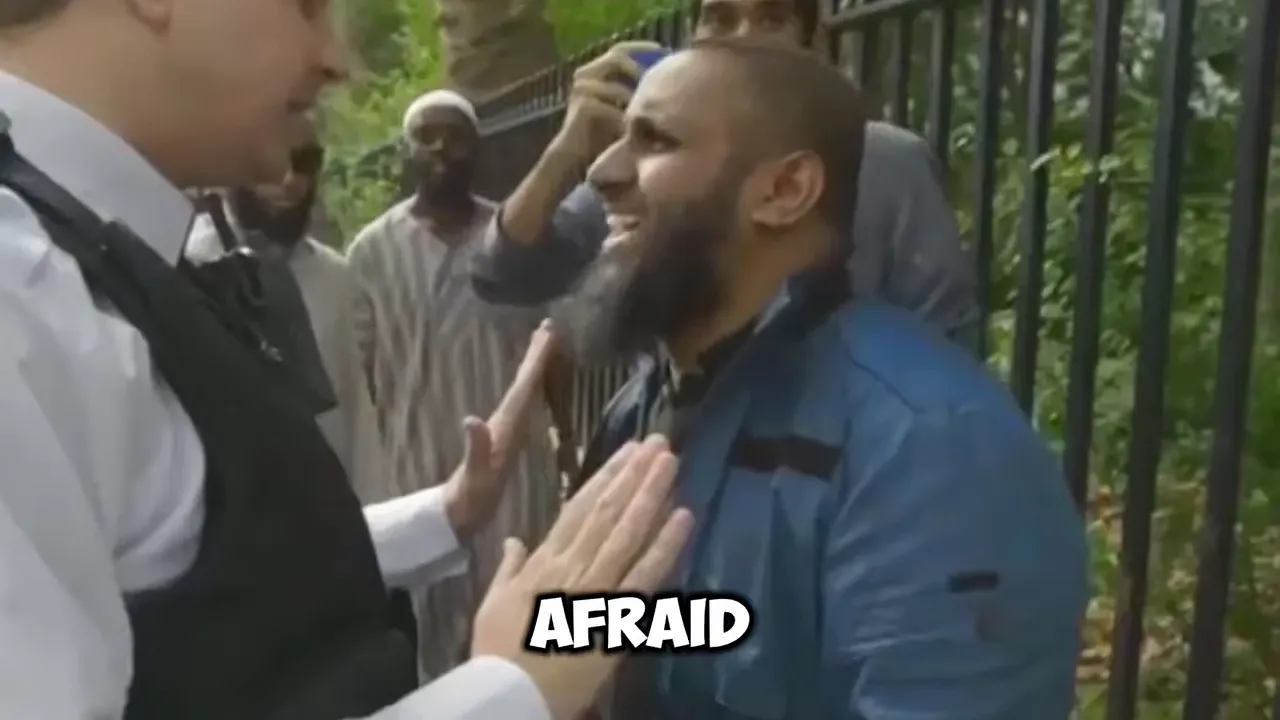
Tarczyński rejects the label of Islamophobia. He says he does not suffer from a phobia and does not consider the term an honest description. In his view, it is a political weapon used to shut down discussion.
He insists his conclusions come not from irrational fear but from observation and from official numbers, especially European statistics. Whether one agrees with him or not, his point is that critics should address the substance of the argument rather than dismiss it with a label.

He then pushes the question to what he considers its logical endpoint: if Europe wants to become a Muslim continent, then its leaders should say so openly. If America wants the same, they should say that too. His argument is that migration changes not only population numbers but legal, religious, and cultural expectations.
That is why he raises Sharia law so forcefully. He asks why European societies should even entertain such a framework when Christian law, Roman law, and Greek philosophy are not being debated as governing systems in Islamic states. For him, this asymmetry proves that Europe is surrendering confidence in its own civilizational foundations.

An “existential threat” and the call for brave leadership
For Tarczyński, the migration issue is not one policy matter among many. He describes it as an existential threat. That phrase helps explain the urgency, anger, and absolutism of his language throughout the speech.
He believes many politicians know what is happening but are too afraid to speak plainly. His repeated answer is the same: Europe needs brave men, not evasive managers. It needs leaders willing to say what they see and act before demographic and political change becomes irreversible.
Refugees versus economic migrants
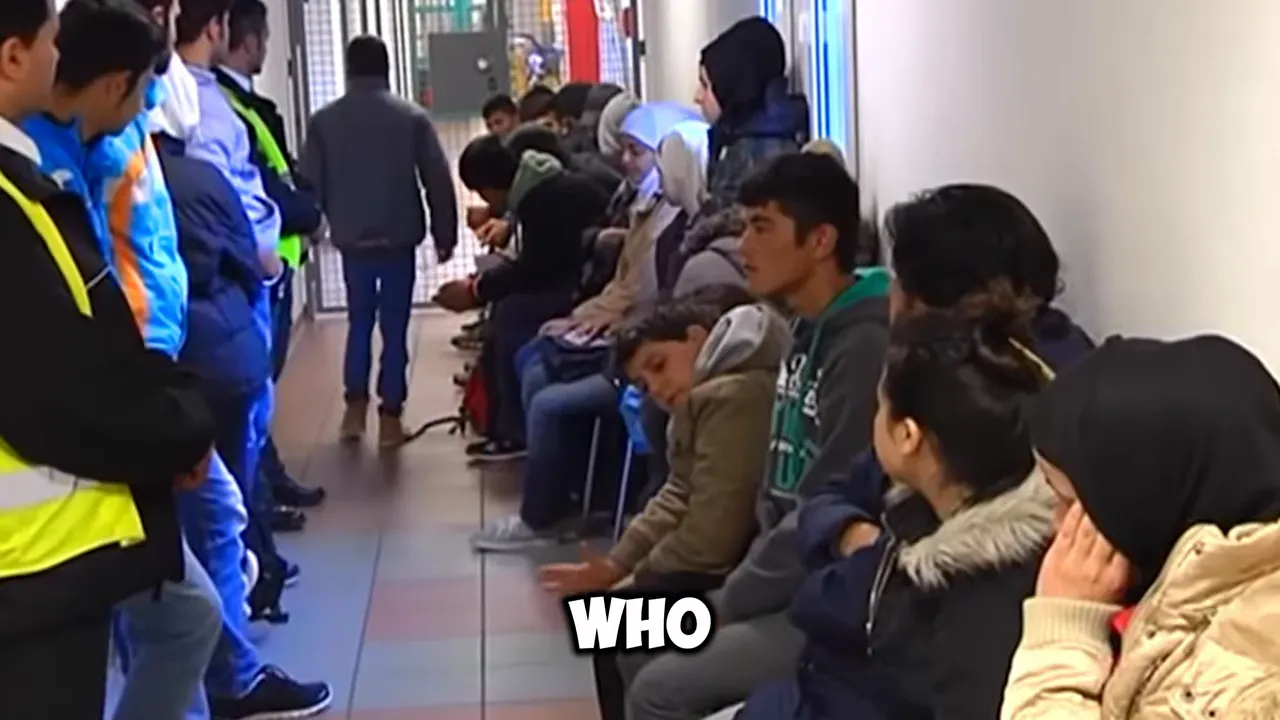
A major part of his argument depends on separating real refugees from economic migrants. He appeals to international law and defines a refugee as a person fleeing conflict who goes to the first safe country. By contrast, he says, an economic migrant is not a refugee, and neither is a jihadist using asylum language as cover.
This distinction matters because Tarczyński rejects the accusation that Poland is simply hard-hearted or indifferent to suffering. He argues the opposite: Poland helped when there was a genuine war and genuine refugees.
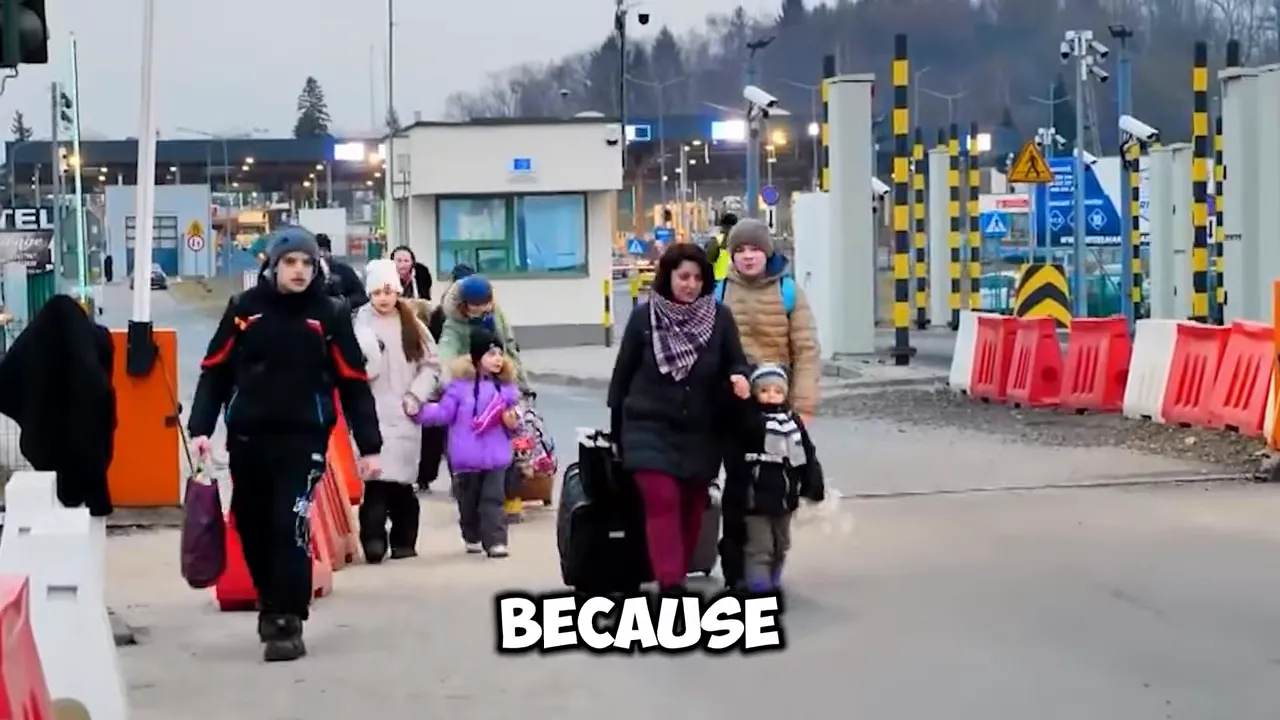
His example is Ukraine. Poland took in large numbers of Ukrainians, especially women and children, after Russia’s invasion. He notes that millions crossed the Polish-Ukrainian border and that more than two million Ukrainians were in Poland. He emphasizes one additional point with pride: there were no giant refugee camps because Polish families opened their homes.
That example is central to his self-defense. Poland, he says, is willing to help people in real need and did exactly what international law and moral duty required. What Poland rejects is a system in which young men arriving by boat are automatically treated as refugees simply because that language is politically useful.
The “stop the boats” warning
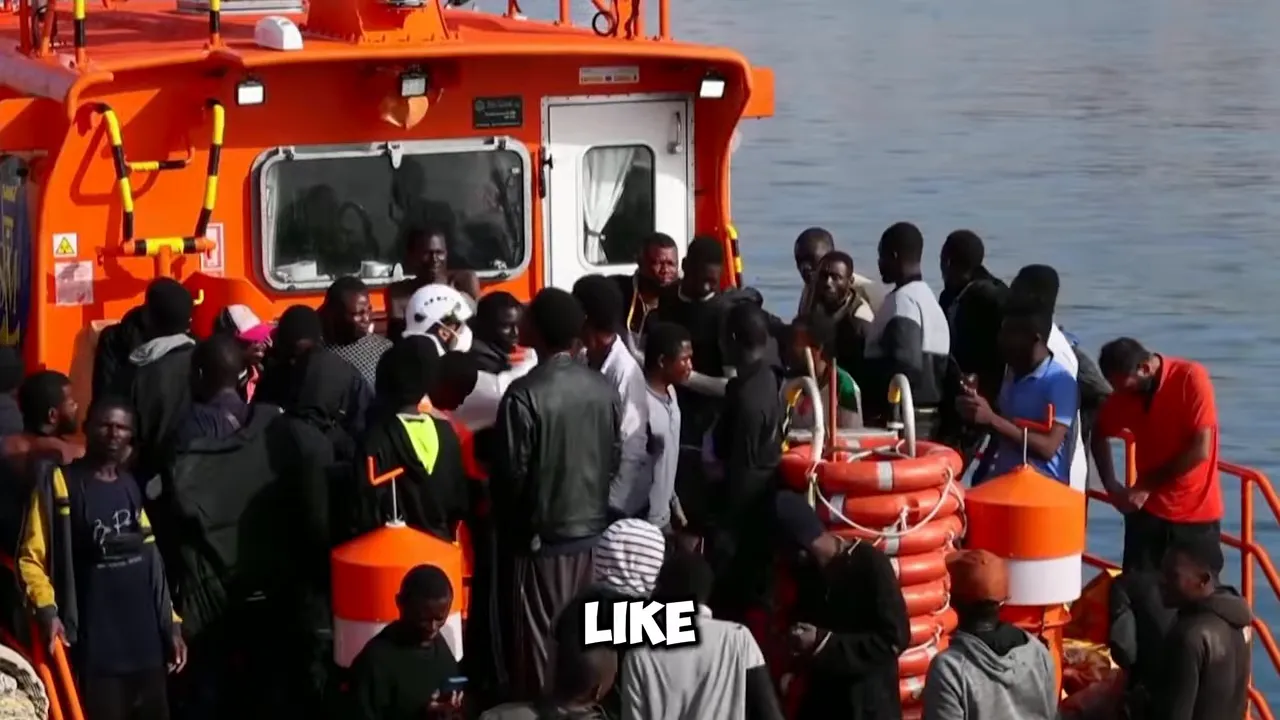
He closes with one of his most dramatic security warnings. Looking at reports from Britain and the debate around stopping small boat crossings, he notes that many of those arriving are men of fighting age. In his telling, that should change the way governments assess risk.
He offers a rough numerical scenario to make the point. If a country takes in two million people and even 10 percent are radicalized, that leaves an internal force of 200,000. His broader message is that migration policy cannot be discussed as if it were only a humanitarian or administrative question. It is, in his view, a matter of national survival.

The core of Tarczyński’s message
Across all the provocations and sharp political attacks, the structure of Tarczyński’s argument is consistent:
- Western Europe opened the door too widely and is now paying the price in security, identity, and public order.
- Poland resisted that model and therefore preserved safer cities and stronger control over its future.
- Donald Trump mattered because he showed what forceful national leadership looks like, both in NATO and on borders.
- Weak governments make deportation impossible not because they lack tools, but because they lack resolve.
- Refugees and economic migrants are not the same, and treating them as if they are the same distorts both law and morality.
- The crisis is civilizational, not merely bureaucratic, and must be addressed as such.
Whether one sees his speech as a warning, a polemic, or a blueprint, its central message is unmistakable. Tarczyński believes Europe changed itself by refusing to defend its borders, and he believes Poland avoided the worst of that change by refusing to follow. In his political vocabulary, that is not intolerance. It is survival.

