

Eva Vlaardingerbroek: Europe Is Changing Forever. Why No One Is Talking About It
Eva Vlaardingerbroek’s speech is framed around a single urgent question: what does it mean to be European, and what must Europe do to preserve itself? Her answer is direct, uncompromising, and deeply controversial. She argues that Europe is not merely a political arrangement or a geographical expression, but a historic civilization rooted in ancestry, continuity, and cultural inheritance.
From the outset, she rejects the idea that Europeans are “blank pages” shaped only by modern ideology or social theory. In her telling, Europe is the result of centuries of sacrifice, identity, and belonging. That means the debate over migration, sovereignty, and demographic change is not abstract. For her, it is existential.

A Civilizational Question, Not Just a Political One
The speech presents Europe’s current crisis as far more than a disagreement over policy. Vlaardingerbroek describes it as a struggle over whether Europe will remain recognizably European at all. She argues that political elites have avoided the core issue by reducing it to economics, administration, or humanitarian language, while ignoring deeper questions of identity and continuity.
She also places this in the context of broader political pressure. Referencing the war in Ukraine and tensions inside the European Union, she paints a picture of a continent under strain from both external demands and internal weakness. In her view, leaders have become willing to accept coercion, blackmail, and destabilizing pressure while failing to defend their own societies with the same determination.

The End of the High-Trust Society
One of the strongest themes in the speech is the claim that Europe has lost something ordinary but precious: the high-trust society. Vlaardingerbroek contrasts the present with memories many Europeans still recognize from only a few decades ago. Doors could be left unlocked. Children could play outside alone. Women could walk home after dark without fear.
Her point is not nostalgic for its own sake. She uses those examples to argue that daily life has become less secure and less predictable. According to her, this shift cannot be separated from mass migration and social fragmentation. The deterioration of public trust, she says, is visible to anyone willing to look honestly at the condition of European streets, schools, and neighborhoods.

Heritage, Majority Status, and the Right to Continuity
Vlaardingerbroek insists that Europeans have a right to remain the ethnic majority in their own homelands. She presents this not as an act of hostility toward others, but as a moral claim rooted in inheritance and responsibility. Europe, in her argument, is the homeland of its native peoples, shaped by generations who built it, defended it, and passed it on.
That is why she rejects the idea that civilization can be treated like an “open-air museum,” something admired from a distance while being fundamentally detached from those who created it. Heritage, as she defines it, requires active stewardship. If a people cease to protect what they inherited, she suggests, they also cease to deserve it.
The Migration Numbers at the Center of the Argument
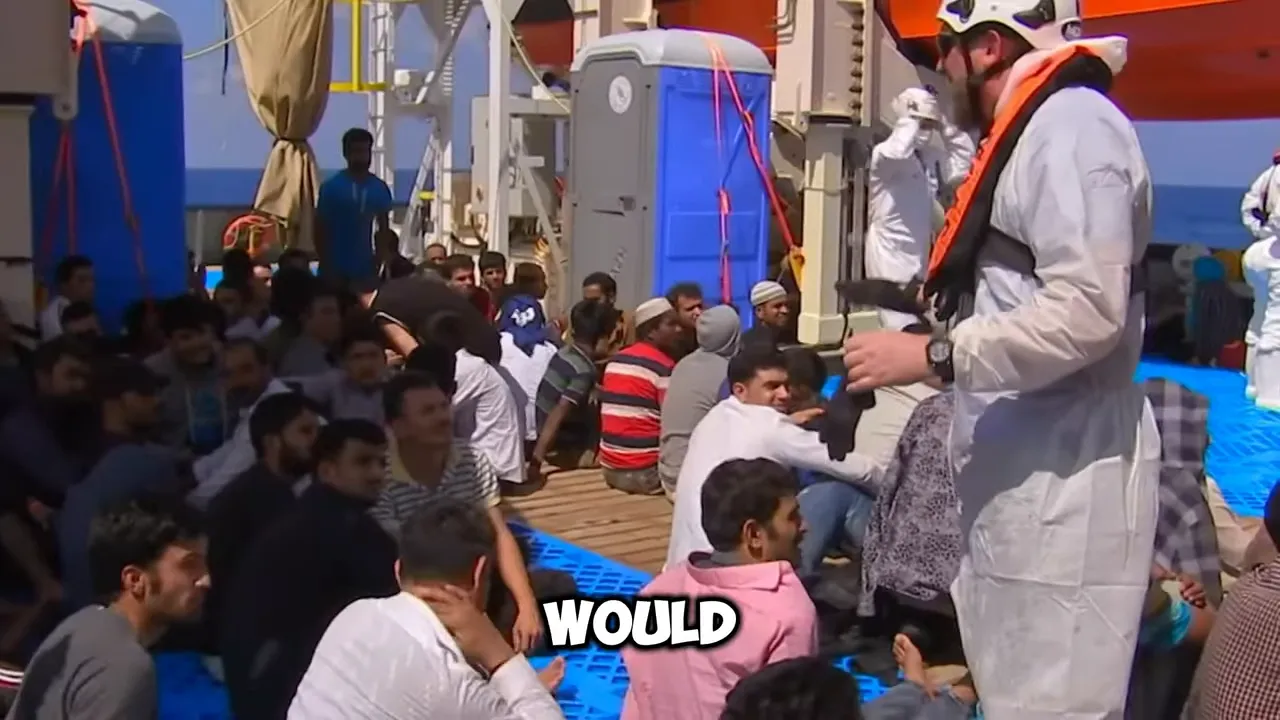
To support her case, Vlaardingerbroek points to migration figures that she says illustrate the scale of Europe’s transformation. She states that more than 80 million migrants have entered Europe over the last 50 years, including 30 million in just the past decade. She adds that in 2024 alone, roughly 4.2 million immigrants entered the European Union from non-EU countries.
She emphasizes the pace of that inflow by translating it into daily terms: approximately 11,500 people per day. Presented that way, the statistic becomes, in her words, the equivalent of a small European town or a football stadium being added to the continent every single day. The rhetorical goal is clear. She wants the scale of demographic change to feel immediate and concrete rather than distant and technical.

The Failure of Integration, as She Sees It
A central claim in the speech is that Europe was promised successful integration and did not get it. Vlaardingerbroek says Europeans were told that migrants from Africa and the Arab world would become as European as the populations receiving them. In her view, that has not happened.
Instead, she describes public life as increasingly tense and unstable, arguing that Europe’s public spaces now feel unpredictable and fearful. Her language is stark, and she uses it to reinforce the idea that multiculturalism has not produced harmony but fragmentation. Whether one agrees or disagrees with her conclusion, this is one of the defining pillars of the speech: integration, she says, has failed, and Europe must stop pretending otherwise.
Children, Demographics, and Social Tension
The most emotionally charged section of the speech concerns children. Vlaardingerbroek argues that demographic replacement is most visible among younger generations, and she uses several city-level examples to underscore that point. She says that in Brussels, 88 percent of children under 20 are of foreign origin, and that in eight of Germany’s major cities, more than half of children under 16 have a migration background.
Her claim is not only demographic. She argues that these shifts produce deep social consequences inside schools and youth culture. In particular, she says many native European children are growing up in settings where they are no longer the majority, and where that fact shapes power, status, and vulnerability in everyday life.
Her Warning About “Racial Humiliation Rituals”
Vlaardingerbroek describes what she sees as a new and disturbing form of intimidation directed at white schoolchildren. She argues that ordinary bullying is no longer the right word for what is happening in some places. Instead, she characterizes certain incidents as deliberate, racially charged acts meant to degrade and dominate victims publicly.
According to her, these incidents are often recorded and circulated online by the perpetrators themselves. She says the behavior is intentional, culturally reinforced, and reflective of a broader racial consciousness among the youths involved. At the same time, she criticizes what she sees as the contradictory moral messaging imposed on white children: they are told not to “see color,” yet are also taught to feel guilt simply for being white.
Europe’s Identity, in Historical Terms
Vlaardingerbroek places all of this inside a larger historical vision of Europe. She describes Europe as a continent of sovereign nation-states, each distinct, yet connected by a broader civilizational inheritance. In her account, Europe is diverse in the sense of having different peoples, languages, and traditions, but historically not diverse in the modern multicultural sense so often promoted by contemporary institutions.
She argues plainly that Europe is historically a white continent and that Europeans are its native people. That is the foundation from which all her later conclusions flow. If that fact is denied, she says, or treated as shameful, then Europe will not simply change. It will disappear into something else.
From Demoralization to a Charge of Systemic Harm
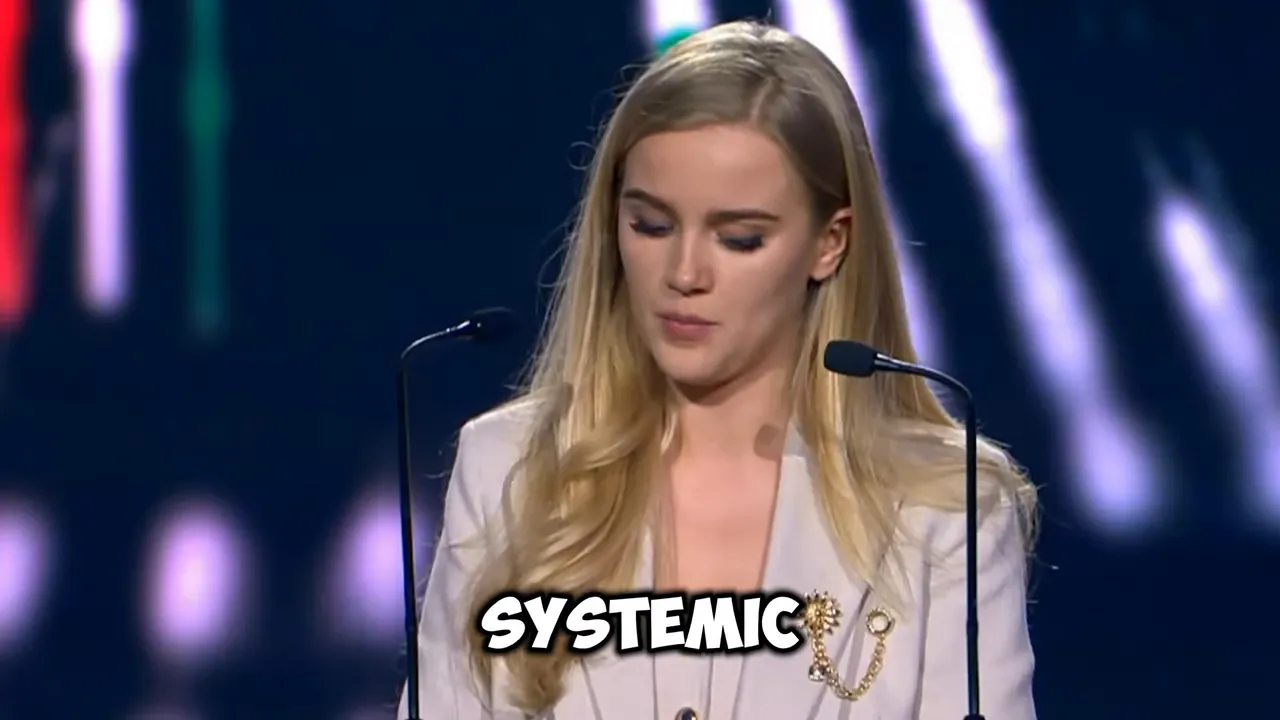
The speech then escalates in intensity. Vlaardingerbroek argues that modern European society is structured in ways that weaken, demoralize, and paralyze native Europeans. She links this to cultural ridicule, falling birth rates, public insecurity, and policies that, in her view, discourage European populations from reproducing or defending their interests.
From there, she poses a deliberately provocative question: what do you call the deliberate destruction, in whole or in part, of a national, ethnic, racial, or religious group? Her answer is “genocide.” It is the speech’s most incendiary claim, and she uses it to argue that Europe is approaching a point of irreversible loss if current trends continue unchanged.
Is Europe Lost?
Having described what she sees as a civilizational emergency, Vlaardingerbroek turns to the question of whether Europe can still be saved. Her answer is yes, but only if Europeans reject despair. She acknowledges that it is easy to conclude that the process is too advanced and the institutions too compromised. Still, she insists that fatalism is itself part of the problem.
For her, Europe’s future depends on whether its peoples are willing to act with seriousness and resolve. That means understanding the stakes clearly and abandoning the illusion that the present trajectory can continue without permanent consequences. If there is to be a turning point, she argues, it must begin with political will.
The Program She Advocates: Sovereignty, Closed Borders, and Remigration
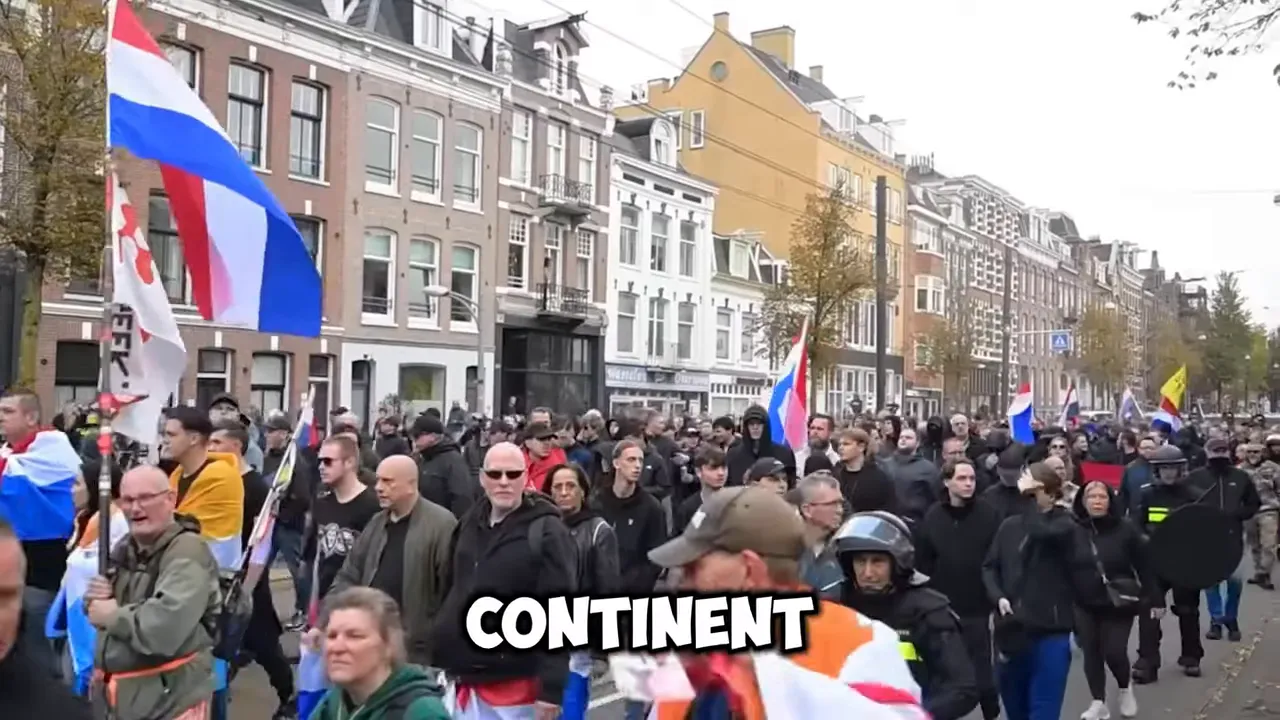
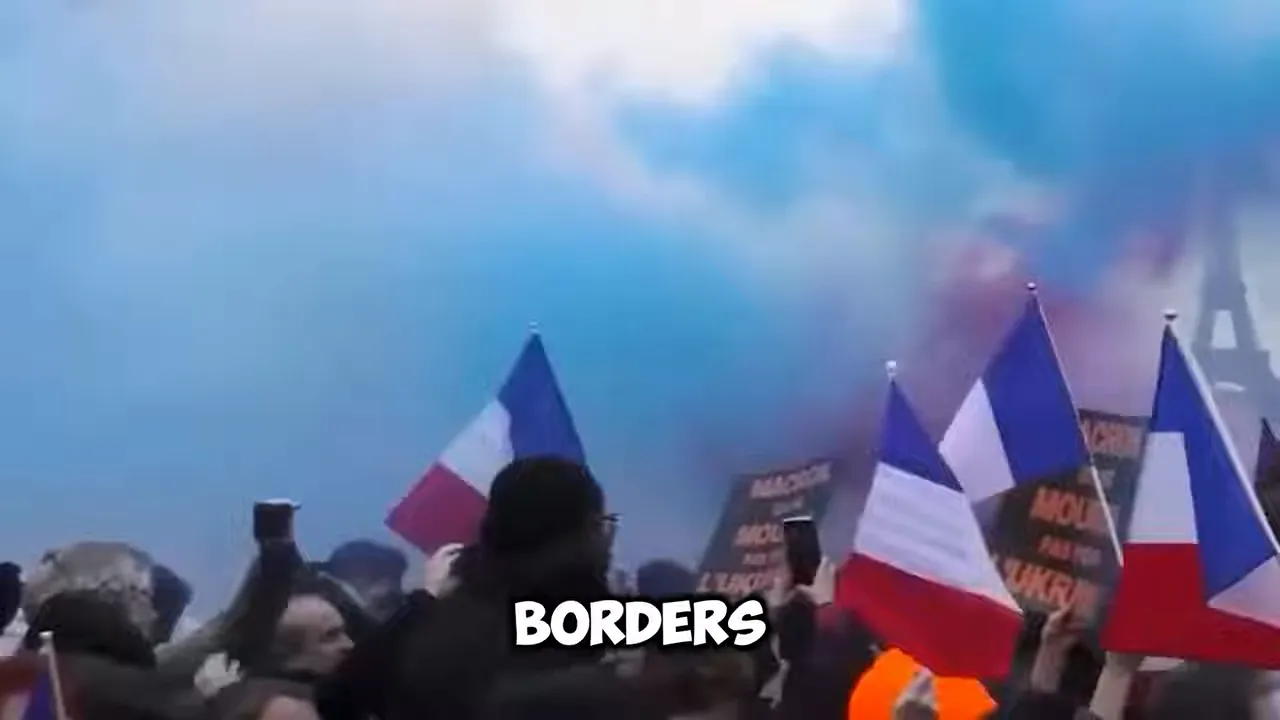
Vlaardingerbroek’s prescription is straightforward. She says Europe must reclaim sovereignty, close its borders, and go further than that by reversing mass migration. She repeatedly stresses that halting future inflows is not enough. In her view, the scale of demographic transformation already underway means that only “remigration” addresses the issue at its root.
That term becomes the speech’s central policy demand. She presents it as the top priority for every right-wing party in any European country affected by mass immigration. Not one issue among many, but the issue from which all the others follow.
Her Historical Argument: Europe Has Done Hard Things Before
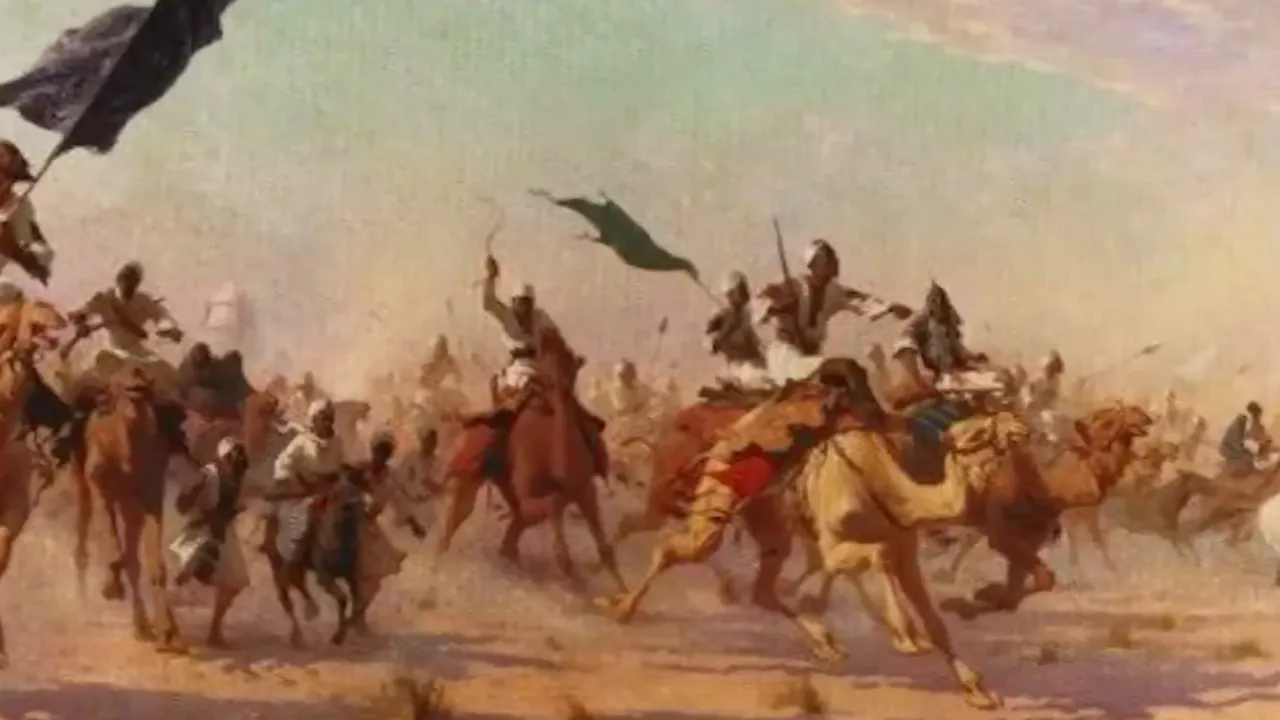
Anticipating the objection that such a program is unrealistic, Vlaardingerbroek argues that difficulty is not the same as impossibility. She invokes historical examples to make the point. She references Spain driving out the Moors after centuries of occupation and the collapse of the Iron Curtain, both as reminders that apparently permanent realities can, in fact, be reversed.
She extends the argument further by invoking Europe’s own cultural achievements. The continent that built great cities, produced enduring art, and wrote some of the world’s most influential books did not do so by choosing what was easy. Her message is that European civilization itself is proof that ambition, endurance, and sacrifice can alter history.
The Final Message: Rise Up
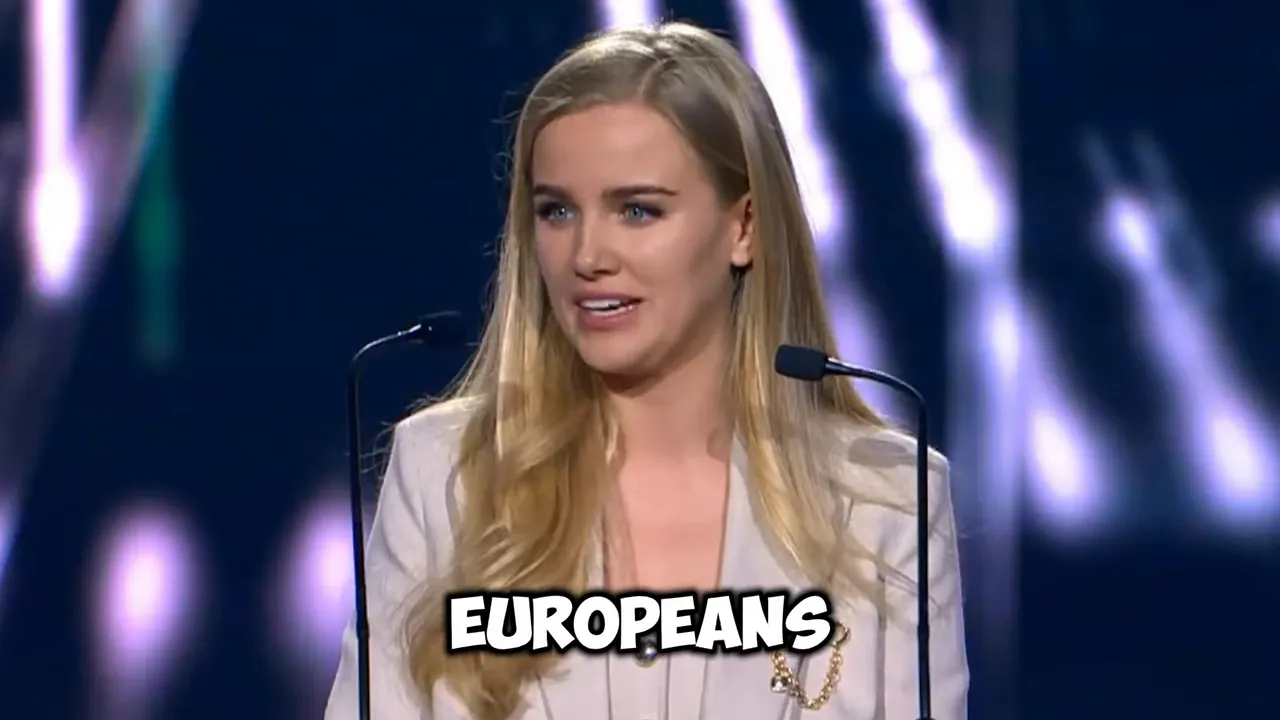
The speech ends not with a policy memo but with a rallying cry. Vlaardingerbroek says that remigration is the one hill she is willing to die on and calls on others to treat it with the same seriousness. Her conclusion is explicitly pan-European. She addresses Britons, the French, Germans, and the Dutch in turn, urging each to stand up.
That closing matters because it reveals the speech’s real form. This is not a detached analysis of Europe’s identity crisis. It is a political appeal rooted in nationalism, civilizational anxiety, and demographic urgency. Whether one regards it as a warning, a provocation, or a manifesto, its purpose is unmistakable: to force the debate over mass migration, sovereignty, and European identity into the open.
Why This Speech Is Provoking So Much Debate
Vlaardingerbroek’s argument touches nearly every fault line in contemporary European politics: immigration, integration, national identity, demographic change, public safety, and the future of sovereignty inside the EU. It is controversial because it does not soften its language or hedge its conclusions. It is also controversial because it speaks to fears and frustrations that many mainstream institutions prefer to discuss in narrower, more technical terms.
That is why speeches like this resonate so strongly in today’s Europe. They are not only about data or border policy. They are about belonging, memory, legitimacy, and who gets to define the future of a continent. For supporters, this is a necessary alarm. For critics, it is dangerous rhetoric. But either way, it is impossible to understand the current European political debate without understanding arguments of exactly this kind.

