

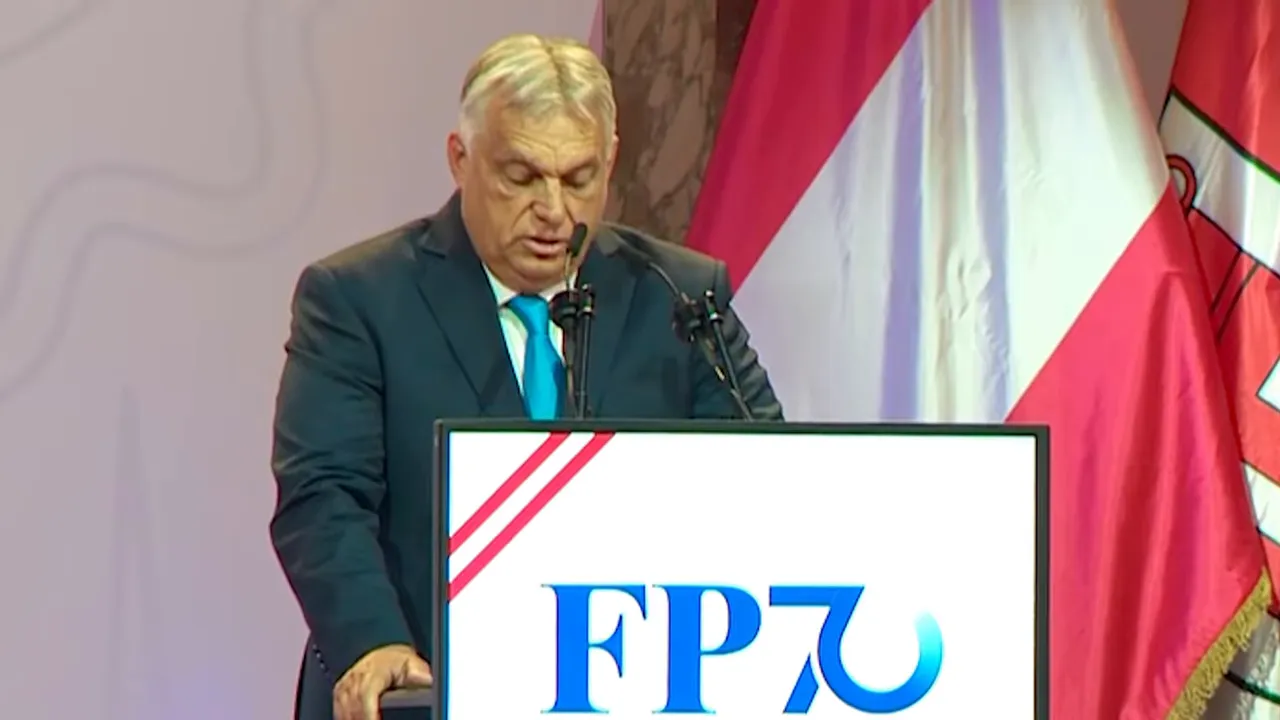
At the Freedom Party of Austria’s 70th anniversary event, Hungarian Prime Minister Viktor Orbán presented a sharp case against the political direction of the European Union. His address framed Europe’s central disputes around three themes: national control of migration, industrial competitiveness and the war in Ukraine.
https://www.youtube.com/embed/7LCjiaHe_x4The speech was also an endorsement of Austria’s Freedom Party, or FPÖ, and its leader Herbert Kickl. More broadly, it argued that nationalist and patriotic parties are becoming the principal opposition to what Orbán described as a Brussels-centered political establishment.
What was Orbán’s main message about Brussels?
Orbán’s central argument was that EU policymaking is weakening rather than protecting Europe. He linked Brussels to an agenda he said has combined sanctions, regulation, high energy costs and green rules in ways that make it harder for European firms to manufacture, trade and compete.
His alternative was a Europe built around sovereign nation-states rather than deeper centralization. In this formulation, national governments should retain decisive control over borders, economic choices and the terms on which people may enter their countries.

Economic policy: factories, energy and regulation
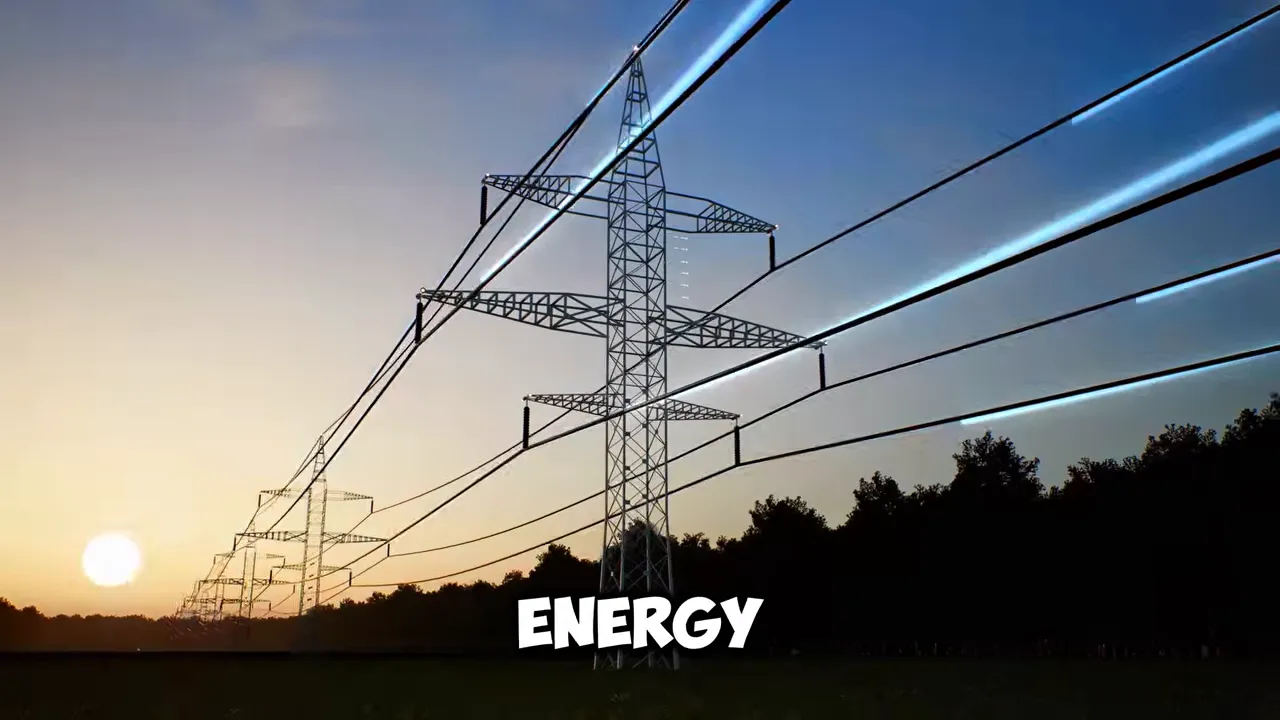
Orbán described Europe as having lost economic momentum. He blamed the EU’s sanctions policy, administrative burdens, energy prices and environmental regulations for putting pressure on businesses and households. The criticism was not limited to a single policy. It was an argument that the current economic model has become overly bureaucratic and insufficiently focused on production.
His preferred agenda emphasized affordable energy, lower taxes, lighter regulation and support for employers. He repeatedly contrasted officials and institutions with factories, entrepreneurs and workers, arguing that Europe’s prosperity depends on making it easier to create jobs and build productive capacity.
How this argument fits the wider EU debate
Energy costs, industrial policy and environmental rules are major areas of EU political debate. Orbán’s position calls for a stronger emphasis on cost competitiveness and national discretion. Supporters see this as necessary to safeguard industry, while critics of this approach may argue that shared EU rules and climate measures are needed for long-term resilience and coordinated action.
For readers seeking the institutional framework behind the dispute, the European Commission’s European Green Deal overview outlines the EU’s stated climate and economic transition objectives. Orbán’s speech reflects a political challenge to the pace and economic effects of that agenda.
Migration and border control
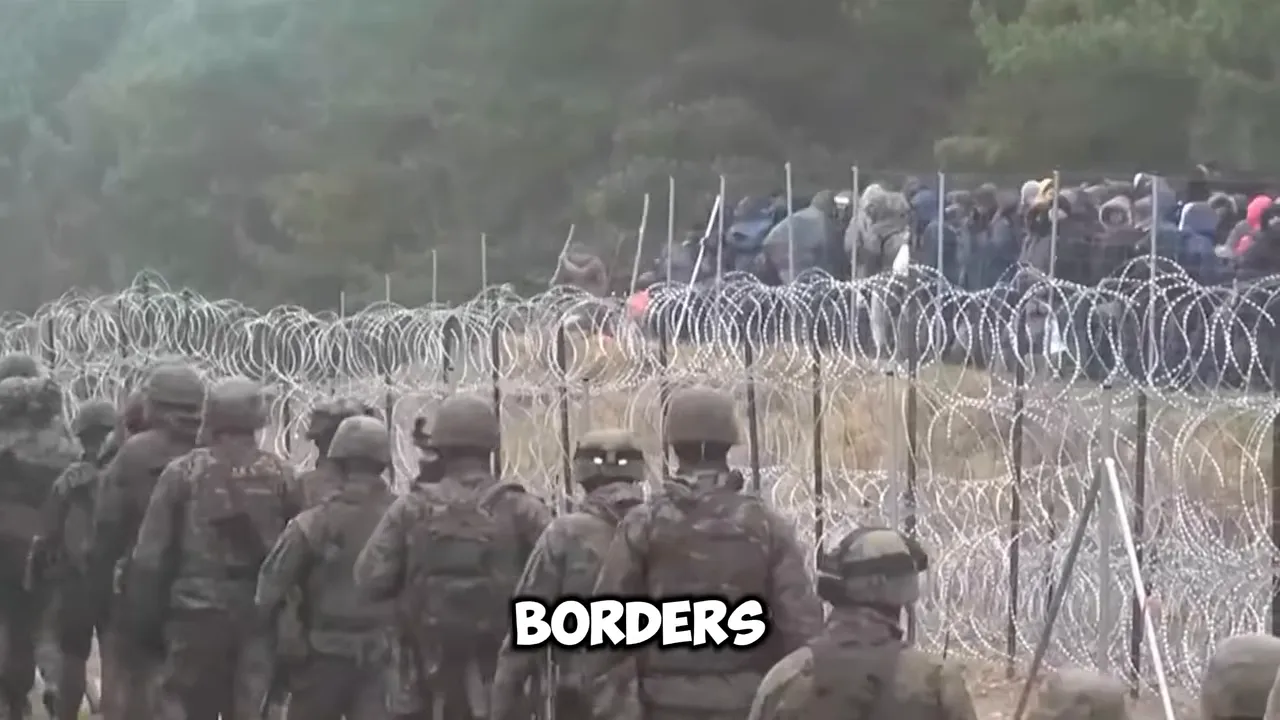
Migration was presented as the most urgent cultural and security question facing Europe. Orbán rejected the idea that large-scale migration should be considered unavoidable or beneficial, arguing instead that governments must be able to enforce borders and determine entry rules at the national level.
He connected migration to concerns about public safety, social cohesion and cultural identity. These were political claims made in support of tighter border policy, rather than a detailed legislative program. His practical principle was clear: border protection should come before decisions about admission or settlement.
A key claim about Hungary
Orbán said Hungary had reached zero migrants, presenting this as evidence that his government’s border approach works. The claim was used rhetorically to contrast Hungarian policy with the migration approach he attributed to EU institutions and other European governments.
The larger political point was that immigration policy should remain in national hands. That position conflicts with efforts to create more coordinated EU migration rules, including measures intended to distribute responsibilities between member states. The European Commission provides an overview of the Pact on Migration and Asylum, which is central to that continuing policy debate.
Ukraine: negotiations rather than continued escalation
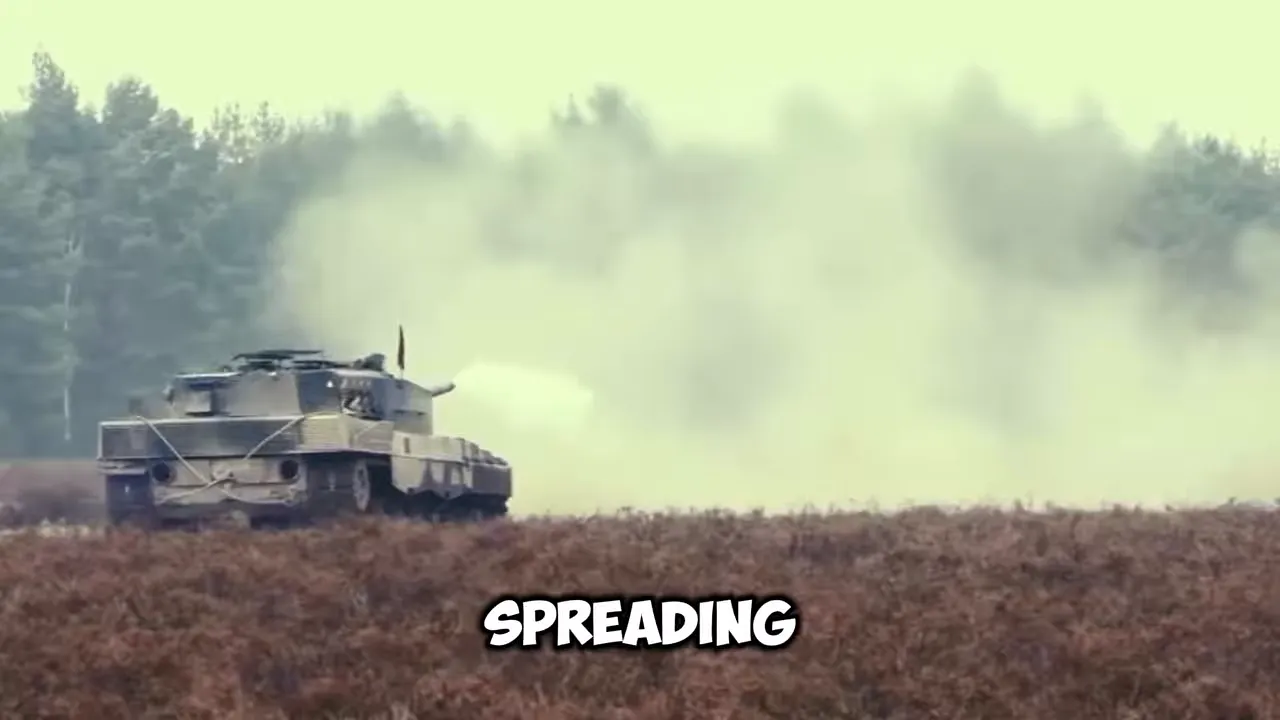
On Russia’s war against Ukraine, Orbán argued that the existing Western strategy had delivered neither a military resolution nor peace. He criticized the continued provision of weapons, financial support and security commitments, saying ordinary Europeans bear growing economic costs.
His proposed direction was negotiations and a focus on preventing the conflict from expanding. He portrayed peace as a core security responsibility for European leaders. The speech did not set out specific terms for a settlement, but it placed the call for talks alongside his wider criticism of Brussels and the political establishment.
Why Orbán linked Austria to a wider patriotic movement
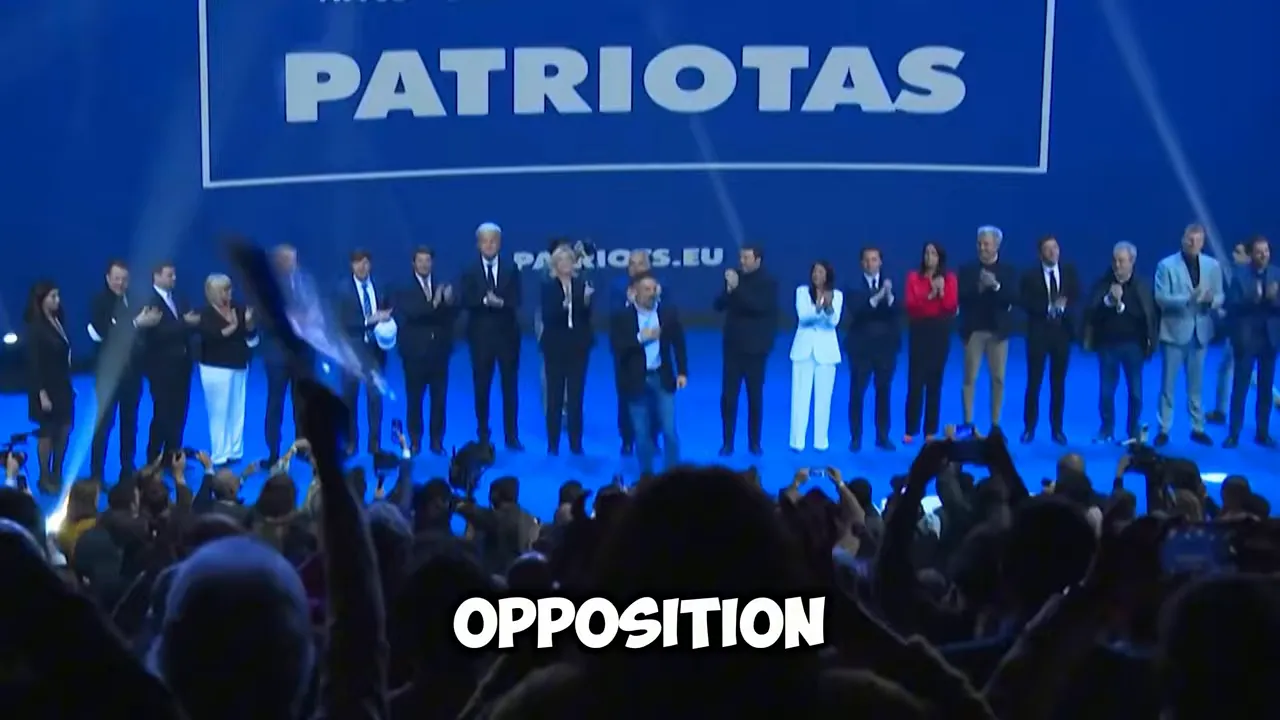
Orbán praised the FPÖ’s longevity and electoral strength, describing it as part of a broader rise of patriotic parties across Europe. He pointed to political forces in countries including France, Italy, the Netherlands, Portugal, the Czech Republic and Spain as evidence of a continent-wide realignment.
In his account, these parties share a commitment to national sovereignty, secure borders, family, cultural heritage and peace. He argued that traditional center-left and center-right parties now operate within the same Brussels-oriented system, while patriotic parties represent the opposition to it.
Key takeaways from Orbán’s Europe agenda
- National sovereignty: EU member states should retain greater authority over borders and domestic policy.
- Migration control: Entry decisions and border enforcement should be led by national governments.
- Economic competitiveness: Europe should prioritize lower energy costs, less regulation, production and entrepreneurship.
- Ukraine negotiations: European leaders should pursue diplomacy and avoid a wider conflict.
- Political realignment: Nationalist parties are presented as an expanding alternative to established European political blocs.
Bottom line
Orbán’s address offered a concise statement of his vision for Europe: less power for Brussels and more power for sovereign states. Its political appeal rests on connecting concerns about migration, economic pressure and war to a broader argument for national self-determination.
Whether one agrees with that program or not, the speech shows why disputes over EU authority, border policy, industrial competitiveness and Ukraine remain central to Europe’s changing political landscape.

