

Members of the European Parliament have called for tighter EU border security, asylum processing outside the bloc and large-scale deportations, arguing that existing migration and integration policies have failed to protect citizens. The interventions linked border enforcement to organised crime, violent offending and national control over entry.
The exchanges also exposed a dispute over religion and European identity, with Polish MEP Dominik Tarczyński challenged over his refusal to distinguish Muslims from Islamists. These statements represent the positions of participating MEPs, not evidence that the European Parliament has adopted their proposals or endorsed their claims.
Quick Summary
- Participating MEPs demanded stronger borders, external asylum processing and expanded deportations.
- Claims linking migration to crime were not substantiated with identifiable statistical evidence in the remarks.
- Tarczyński’s statements on Islam prompted a challenge over distinctions between religious identity and political ideology.
- The interventions expressed political demands, not proof of adopted EU policy.
What Changes Are MEPs Demanding?
The principal demands span several distinct areas of migration policy. Swedish MEP Charlie Weimers advocated moving the reception, examination and accommodation of asylum applicants outside the European Union. His argument was that preventing arrival before claims are assessed would weaken the incentive to use smugglers. Slovak MEP Milan Mazurek pressed for immediate border protection, framing it as a public-safety obligation.
Weimers also called for a narrower enforcement focus at Frontex, the European border and coast guard agency. He accused personnel concerned with fundamental rights of obstructing its work and advocated their removal. That accusation was part of his political argument, rather than an established finding about the agency. Frontex’s official website provides a separate reference point for its responsibilities and activities.

- External border enforcement: stronger measures to prevent unauthorised entry.
- External asylum processing: receiving applicants, assessing claims and providing accommodation outside the EU.
- Expanded returns: removing people who lack permission to remain.
- Changes at Frontex: prioritising border-control operations and challenging its fundamental-rights functions.
Mass Deportations: The Demand and Its Unproven Predictions
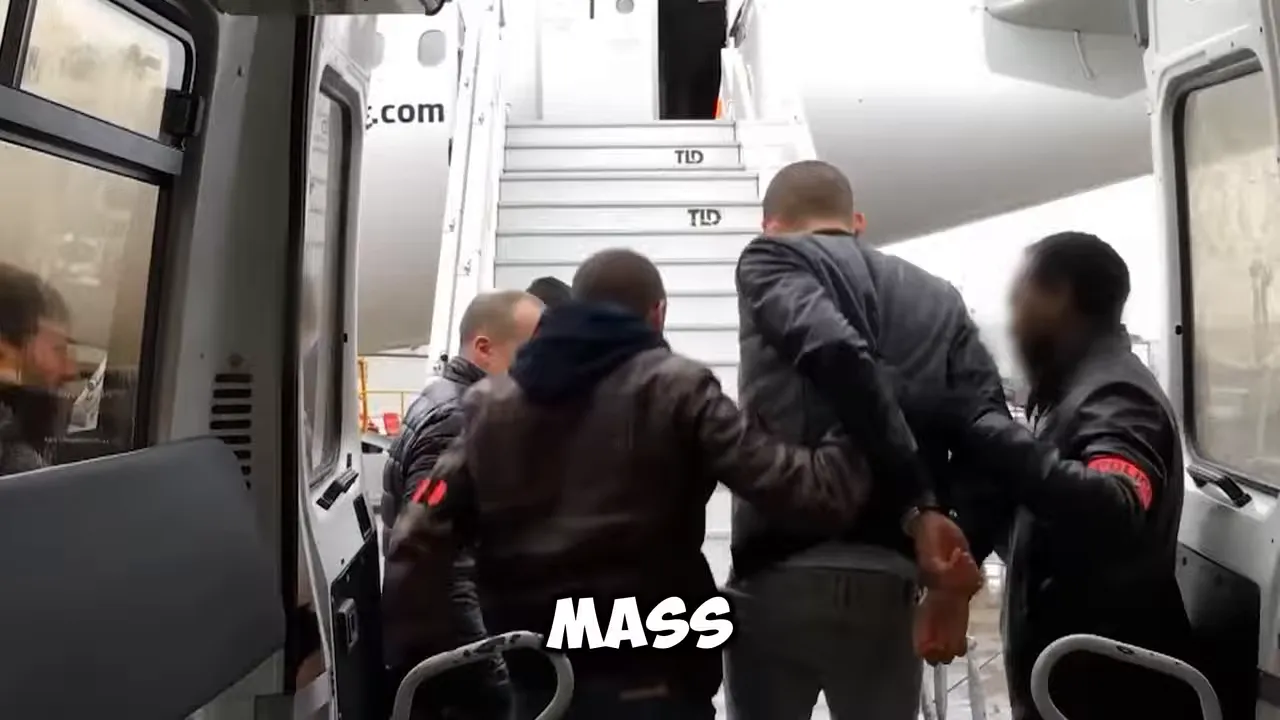
Mazurek called for the removal of people residing irregularly in Europe and also referred to legally present migrants who commit crimes and disregard national laws. He predicted that extensive deportations would eliminate the narcotics problem under discussion and substantially reduce rape, violent attacks and murder.
Those predicted outcomes were not demonstrated by supporting evidence in the remarks. A demand for more removals is a policy position; a claim that removals would make drug trafficking disappear is a causal prediction requiring separate proof. The interventions did not set out a detailed implementation plan, identify destination agreements or explain how individual cases would be assessed.
Why the Categories Matter
- Unauthorised entry concerns how a person crosses a border.
- Permission to remain concerns whether a person has a lawful basis to stay.
- An asylum claim concerns a request for protection and its assessment.
- Criminal offending concerns individual conduct, not simply migration status.
Migration, Integration and Crime: What Was Alleged?
Finnish MEP Sebastian Tynkkynen argued that weak integration had allowed socially isolated communities to develop and criminal networks to recruit young people. He cited gang violence and bombings in Sweden, drug-related killings in France and the exploitation of minors by organised crime groups. His central contention was that migration policy and integration failures should be treated as connected security issues.
Tarczyński separately invoked Germany, Sweden and France while blaming political opponents for violent crime. Although he referred to Eurostat, he did not identify a specific dataset, reporting period or method behind the comparisons. The country rankings and broad causal links therefore remain claims requiring verification. The Eurostat crime statistics portal is a starting point for checking the figures and their definitions.

How to Assess the Crime Claims
- Identify the measure: distinguish recorded offences, suspects, convictions and victimisation.
- Check the comparison: determine whether a claim concerns total numbers or population-adjusted rates.
- Confirm the category: nationality, birthplace, migration status and parental background describe different things.
- Separate association from explanation: a reported pattern does not, by itself, establish what caused it.
Why Tarczyński Presented Poland as a Model
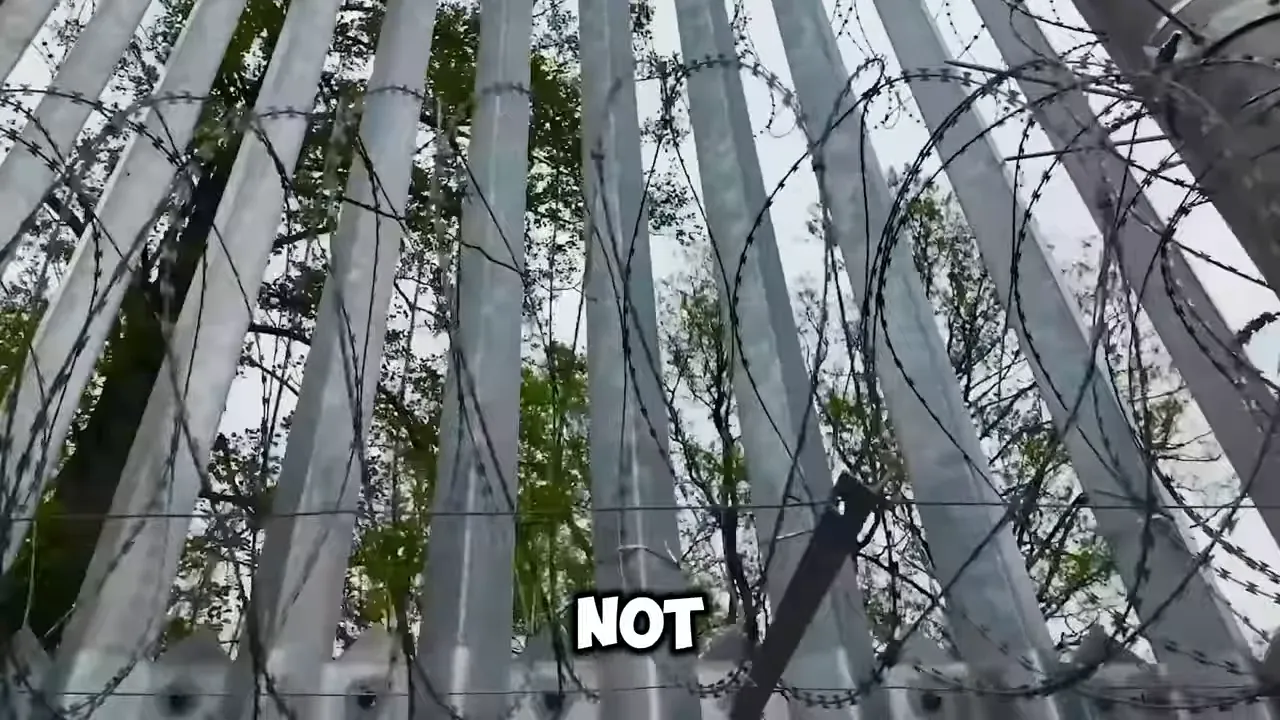
Tarczyński attributed Poland’s safety to its restrictive approach to migration, contrasting it with the choices made elsewhere in Europe during and after 2015. He also referred to a Polish soldier killed at the border and said Poland had subsequently changed its law concerning soldiers’ use of live ammunition. He issued a warning that attacks on Polish personnel could meet a lethal response.
His presentation combined an argument for stronger border deterrence with sweeping assertions about Poland’s security record. He claimed an absence of rape and terrorist attacks by people residing irregularly, but supplied no statistical source or timeframe. Those assertions should not be read as proof that Poland has no violent crime, nor as a complete account of the rules governing force at its border.
Religion and Identity Become a Point of Dispute
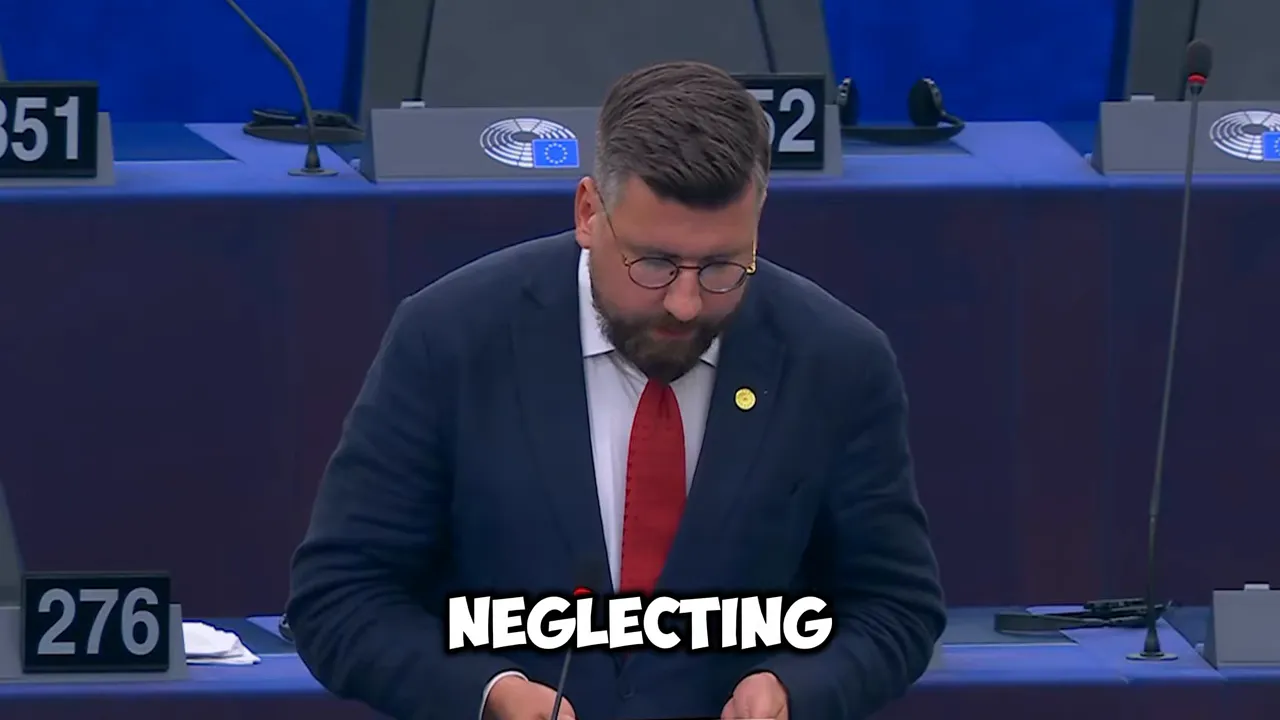
German MEP Lukas Sieper challenged Tarczyński on whether he distinguished a Muslim from an Islamist. Tarczyński rejected an ideological distinction and made broad accusations about Islamic teachings. Sieper responded by arguing that religious texts have different interpretations and that traditions change over time. The exchange revealed a central disagreement: whether security concerns should be directed at particular ideologies and conduct or extended to a whole religious population.
Tynkkynen also invoked the case of Maria Shahbaz, a Christian minor in Pakistan, alleging abduction, forced conversion and a marriage upheld by a court despite evidence of her age and her family’s objections. He used the case to argue against migration from countries where he said Sharia prevailed. The alleged abuse and the wider conclusion about European migration are separate questions: an individual case does not, on its own, establish the risks posed by an entire religious or national group.
The Shahbaz Case Raises Distinct Protection Issues
- Child protection: allegations involving an underage girl and an adult man.
- Consent: whether conversion and marriage occurred freely or under coercion.
- Access to justice: how courts addressed allegations of abduction and evidence concerning age.
- Religious freedom: the protection of minority communities from forced conversion and abuse.
What the Exchanges Establish, and What They Do Not
The interventions demonstrate support among the participating MEPs for a more restrictive approach to migration, with external asylum processing, stronger border enforcement and expanded removals at its centre. They also show substantial disagreement about how religion, integration and European identity should enter the security debate.
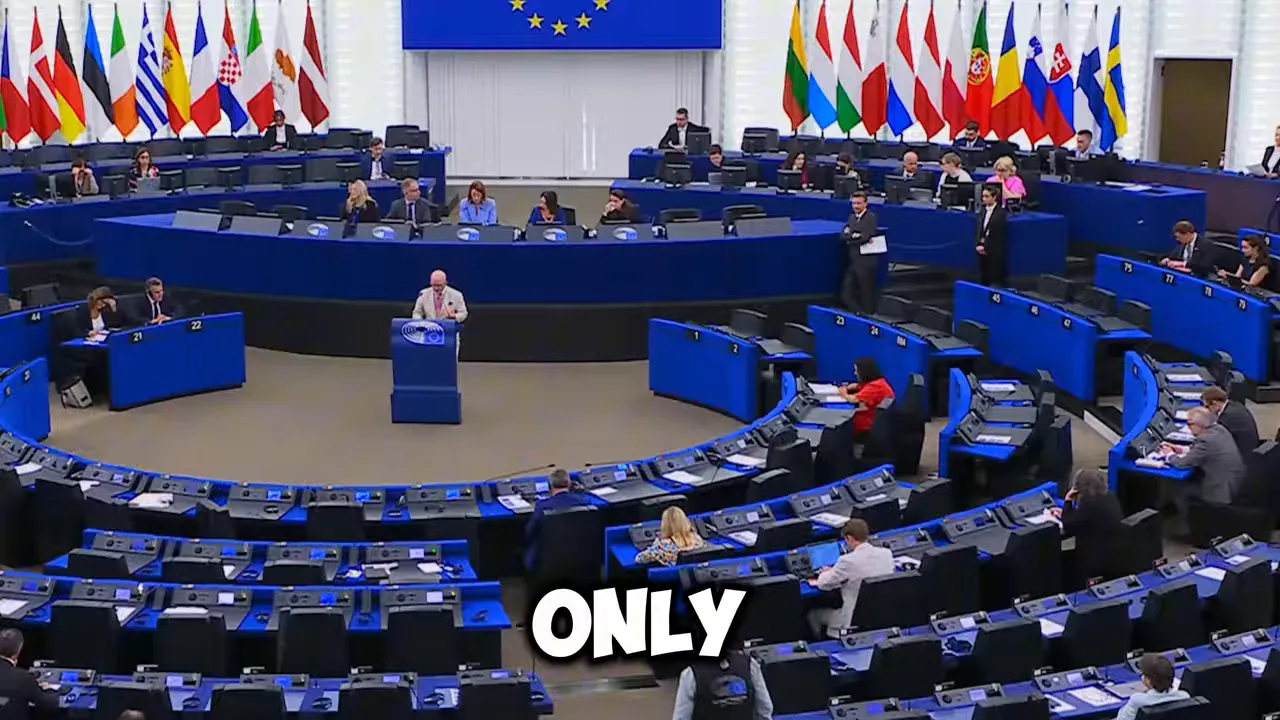
They do not establish a parliamentary majority, an enacted deportation programme or verified proof of the crime outcomes being promised. The key distinction is between what politicians want changed, what evidence supports their arguments and what institutions have actually decided. Keeping those questions separate is essential to understanding the EU border-control debate.
The interventions concern EU migration policy, but political demands should not be confused with adopted legislation.

