
The Church of England recorded 707,000 average weekly attendances in 2025, according to statistics published in November 2026. That was a small increase on the previous year, although the figure remained approximately 18% below its 2019 level. An institution can recover from the pandemic and still face a longer crisis. Statistics for Mission 2025 provides the underlying series.
The question of who is “destroying” the Church has become an accusation about national identity as well as religious practice. It deserves a precise answer. Responsibility for documented institutional failures rests with those who made or concealed the decisions concerned. The wider decline also reflects changes in belief that no archbishop, monarch or political party controls alone.
Is the Church of England losing members?
The latest report describes decline over the longer term and a partial recovery since 2020. Its all-age average weekly attendance series records 864,000 in 2019, 348,000 during the pandemic restrictions of 2020, and 707,000 in 2025. The last annual increase was 0.8%. These figures measure attendance in person, including Sunday and midweek worship; they are distinct from the broader worshipping community.
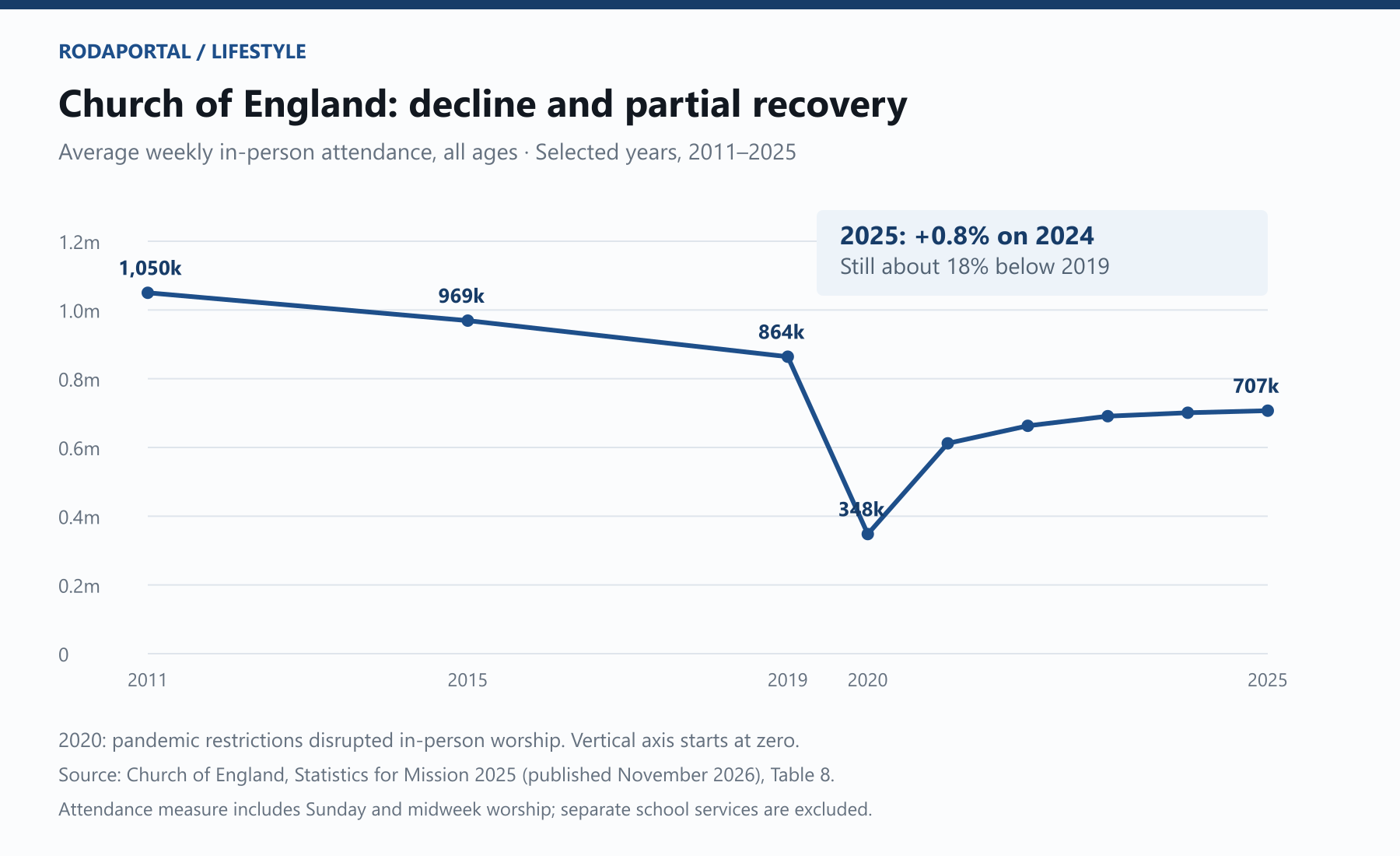
The Church’s description of a fifth consecutive year of growth therefore refers to the recent recovery period. It should be read alongside the earlier losses. Nor does a national total describe every congregation: a parish may grow while another struggles to sustain its ministry. The Church’s November 2026 announcement.
Safeguarding failures caused a crisis of moral authority
The strongest case for institutional responsibility concerns the failure to protect people from abuse. It is supported by investigations, rather than speculation about a secret political programme.
The Independent Inquiry into Child Sexual Abuse’s 2020 Anglican investigation documented serious failures in the Church of England’s response. Its conclusions described an institution in which deference and the protection of reputation obstructed effective safeguarding. Those findings concern the exercise of authority and the treatment of victims. IICSA’s conclusions.
The Makin review, published in November 2024, examined the handling of allegations against John Smyth. Justin Welby subsequently announced his resignation as Archbishop of Canterbury and accepted personal and institutional responsibility for the period between 2013 and 2024. His resignation addressed his handling of information and institutional failures; it was not an admission that he perpetrated Smyth’s abuse. The Church’s statements on Welby’s resignation.
Senior office should carry a duty to act when credible concerns emerge. A Church that asks for moral trust must demonstrate that the safety of children and vulnerable adults takes precedence over its own reputation. A change of office-holder is only the beginning of that test.
Can Sarah Mullally restore confidence?
Sarah Mullally became Archbishop of Canterbury on 28 January 2026, the first woman to hold the office. In her confirmation announcement, she pledged to listen to people whose voices had been ignored, including victims and survivors of Church abuse. The official confirmation announcement.
Her leadership should be assessed through decisions and results. The relevant questions concern the independence of safeguarding, the treatment of complainants and whether local clergy receive adequate support. Being the first woman in the role neither establishes personal culpability for earlier failures nor removes the obligation to address them.
By July 2026, the Church’s lead safeguarding bishop was still discussing its response to the Makin recommendations with General Synod. That continuing work shows why announced reform and completed reform must be distinguished. The July safeguarding presentation.
Doctrinal disputes and the pressure on parish life
Arguments over sexuality and marriage expose a disagreement about the Church’s teaching authority. Some Anglicans believe revised practice weakens fidelity to Scripture. Others argue that greater recognition of same-sex couples is required by Christian care and justice.
The practical position requires care. In June 2026, the Church stated that Prayers of Love and Faith were being used within regular services, while special services for same-sex couples required full formal authorisation under canon law. New working groups were examining the outstanding questions. This dispute is real, but it does not by itself establish how much of the national attendance decline it caused. The Church’s June 2026 update.
Money presents another test of priorities. The national spending plans provide for more than £1.6 billion in Church Commissioners’ distributions during 2026–2028. These are planned allocations, not proof that every parish has received the support it needs. The Church also acknowledges that congregational giving pays for most of its work across the country. National spending plans.
Financial accountability should therefore consider what reaches local ministry. The availability of clergy and the capacity to maintain a usable church matter to the weekly experience of worshippers. The value of a spending programme depends on what it delivers.
Secularisation is wider than the Church’s leadership
The 2021 Census for England and Wales recorded 46.2% of residents describing themselves as Christian, compared with 59.3% in 2011. The proportion reporting no religion rose from 25.2% to 37.2%. These figures cover religious identification across denominations; they are not a count of Church of England members or a survey of churchgoing. Office for National Statistics.
Separate British Social Attitudes findings published by NatCen in May 2026 reported that 5% of British adults attended a Christian service weekly, compared with 8% in 2018. This survey covers Britain and Christian churches generally, so it cannot be directly substituted for the Church of England’s parish returns. It nevertheless places the discussion in a wider social context. NatCen’s findings.
Changing religious identification does not demonstrate that Muslims are responsible for Anglican decline. It also provides no basis for the prediction, in the quoted commentary, that Britain is being deliberately converted into an Islamic republic. Such a claim requires evidence of intention and a constitutional programme, not an extrapolation from religious demographics.
Is King Charles responsible for the Church’s decline?
King Charles III remains Supreme Governor of the Church of England and Defender of the Faith. The Church also has its own structures of governance, including bishops and General Synod. Those roles should be distinguished when assigning responsibility for doctrine or the handling of abuse allegations. The King’s constitutional role; Church governance.
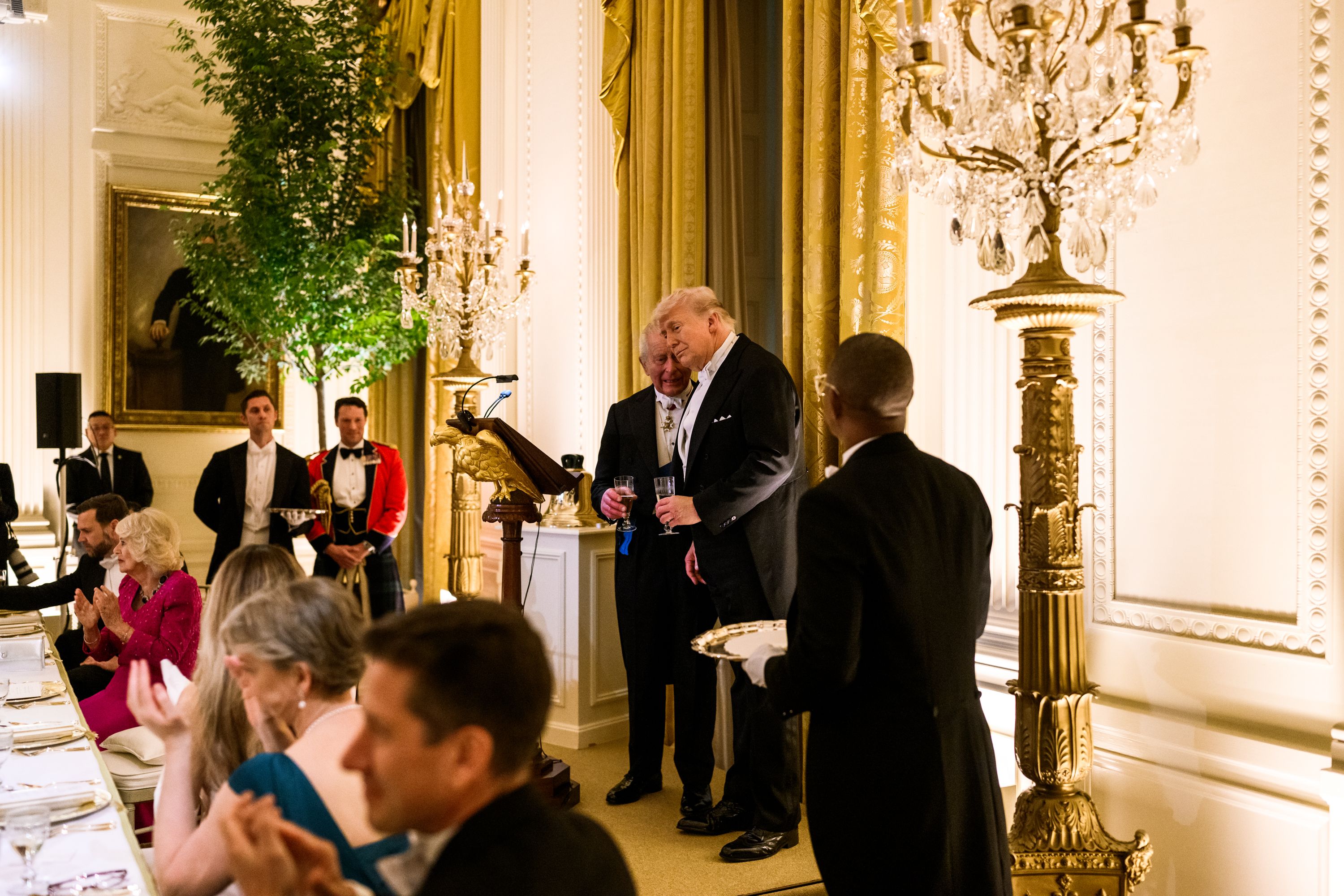
The distinction between public religious emphasis and a change in the Church’s legal position is examined in our related analysis, Does King Charles Favour Islam? Why His Words Have Reopened a Row Over Britain’s Christian Identity. That article considers the King’s interfaith language and the criticism surrounding his Ramadan and Easter communications. Here, the question is whether those controversies explain the Church’s institutional failures or its attendance losses; the figures alone cannot establish that connection.
Criticism of the King’s public approach to religion is a legitimate subject of debate. The claim that he intends to destroy the monarchy or the Church is a claim about motive. The evidence examined here does not establish it. Proposals about where Parliament sits or how government devolves power similarly require their own assessment; they do not explain a safeguarding failure or a fall in parish attendance.
Who is failing the Church of England?
The clearest responsibility lies with those who concealed abuse, failed to act on warnings or resisted proper accountability. Their actions damaged people and undermined the authority of the institution they served. Current leaders inherit the obligation to correct those failures and can be judged on whether they do so.
The longer decline has several dimensions. A changing religious culture affects recruitment and retention. Disputes over teaching place further demands on leadership, while local congregations must sustain worship with the resources available to them. These pressures call for specific answers.
The test is whether the Church protects people, sustains parish ministry and gives a credible account of its faith. Claims of deliberate destruction become persuasive only when evidence supports them. Documented failures already provide ample grounds for demanding reform.
Image credits and reuse licences
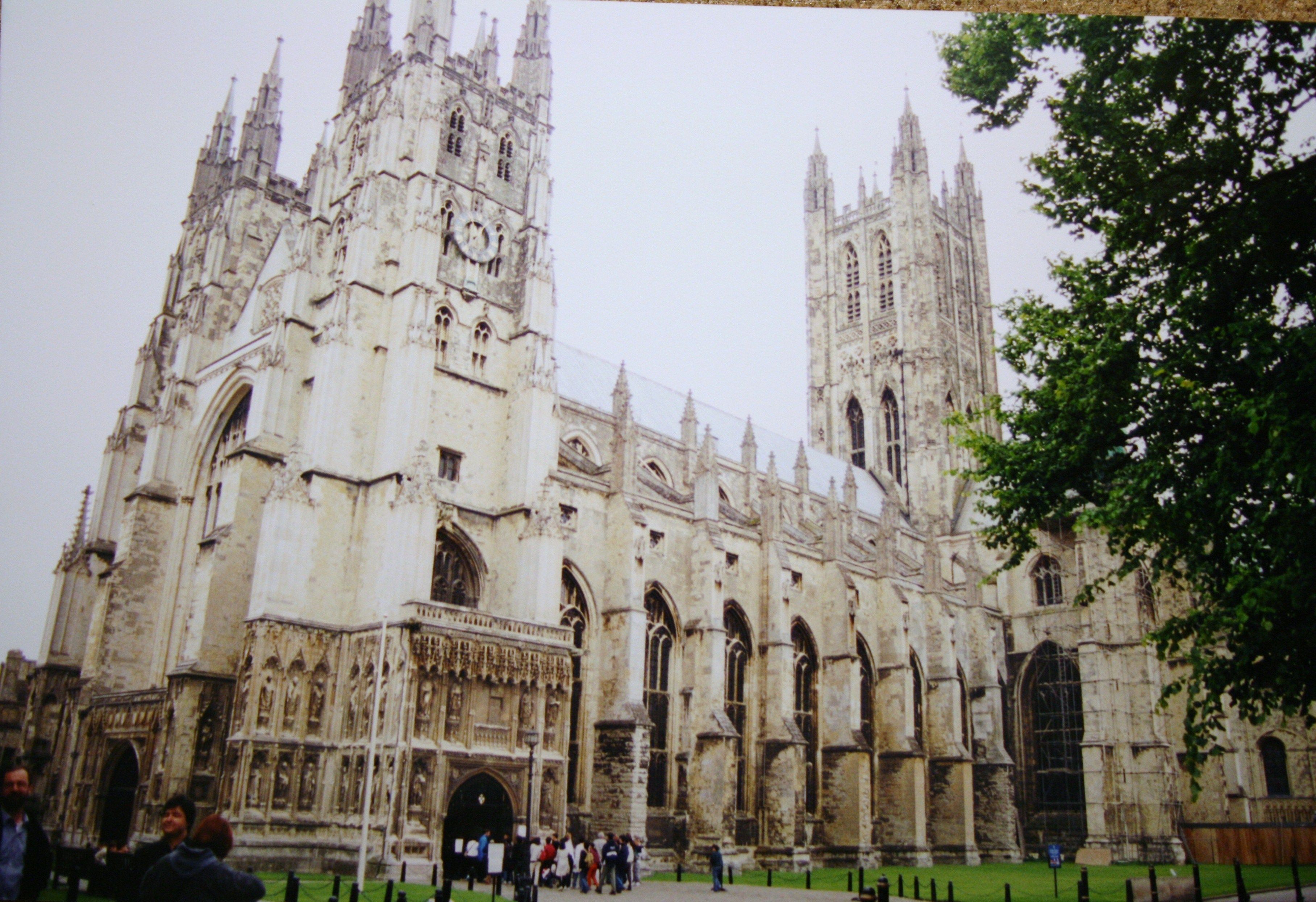
Canterbury Cathedral — Gary Todd · CC0. Archive photography used for illustration, not as evidence of the events discussed or congregation size.
St Andrew’s Church, Beddingham — Hassocks5489 · CC0. Archive photography used for illustration, not as evidence of the events discussed or congregation size.
King Charles III — Daniel Torok / The White House · Public domain. Archive photography used for illustration, not as evidence of the events discussed or congregation size.
Attendance chart: original Rodaportal design using the Church of England’s Statistics for Mission 2025, Table 8. Source figures are rounded and represent selected years from the latest published series.