

There is a clear message running through today’s conservative speeches across Europe: the time for polite hesitation is over. The argument is no longer framed as an academic disagreement over policy details. It is presented as a civilizational emergency involving borders, sovereignty, identity, public safety, energy, family, and the future of Europe itself.
Across this collection of statements from figures such as Geert Wilders, Viktor Orbán, Eva Vlaardingerbroek, Dominik Tarczyński, Alice Weidel, André Ventura, Martin Helme, Andrej Babiš, Afroditi Latinopoulou, and others, one theme dominates: Europe has reached a breaking point.
For these speakers, the problem is not just bad governance. It is that the political class in Brussels and in many Western European capitals has embraced a model that they believe is hollowing out the continent from within.
Europe at what they call a crossroads
The tone is urgent from the start. “It’s time to act. It’s time to act fast.” That urgency is repeated in different forms throughout the speeches. Europe, they argue, is not drifting gradually. It is changing fast, and in the wrong direction.
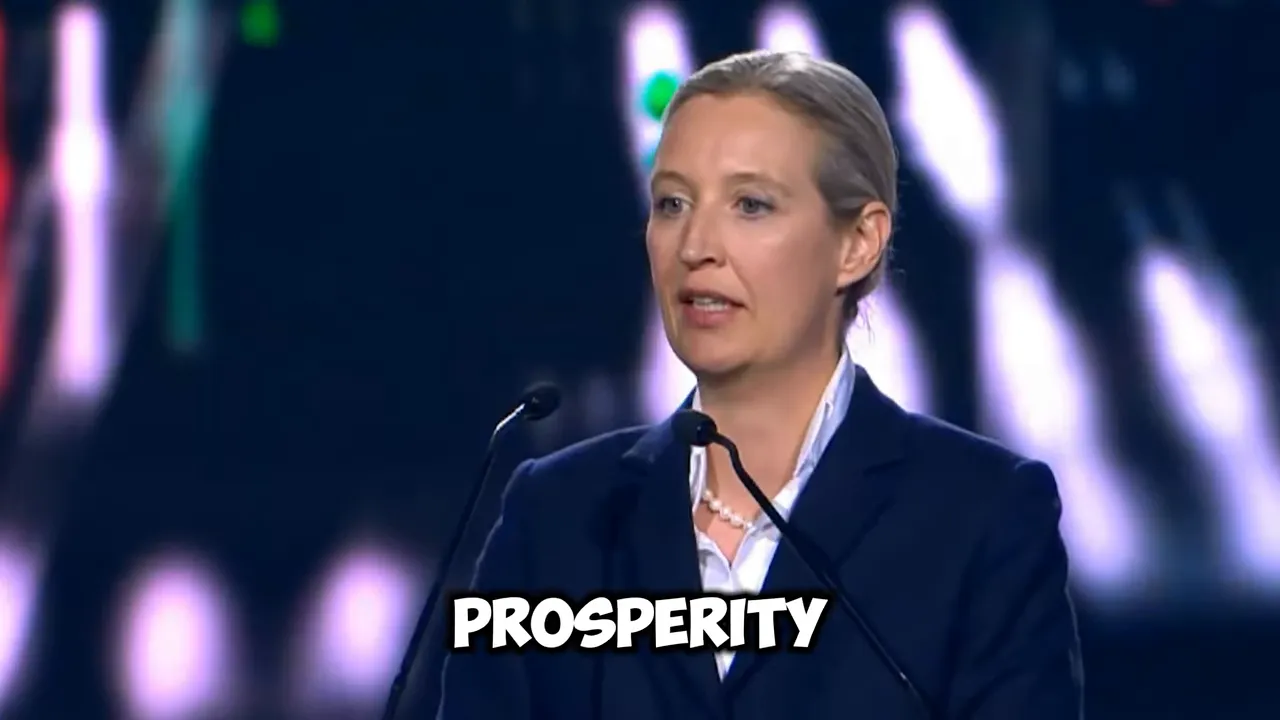
Several speakers describe this moment as a rare window of opportunity. Martin Helme speaks of an “extraordinary time” in which Europeans still have a chance to leave what he calls the path of decline and fundamentally change their countries for the better. Alice Weidel frames the situation in even starker language, saying Europe has arrived at a “crossroads of destiny,” facing war, violence, lies, unfreedom, impoverishment, and the deliberate destruction of prosperity.
The central claim is that what is happening is visible to anyone willing to look honestly. Sweden, Germany, Paris, Amsterdam, Brussels, London, Vienna, Berlin. These places are invoked not as isolated examples, but as signs of a broader continental crisis.
The revolt against Brussels
A major target of criticism is the European Union’s current power structure. The conservative argument here is not merely that Brussels is ineffective. It is that Brussels has become actively hostile to freedom, national self-government, and democratic accountability.
Viktor Orbán says plainly that many would like to reform the European Union, but under the present structure, they cannot. André Ventura goes further, saying Brussels is no longer a light of freedom but a symbol of censorship and dictatorship. Others describe the system as failed, dying, and no longer serving the interests of its member states.
That criticism is tied to a larger warning: if the European Commission continues on its current path, it may be the EU bureaucracy itself that breaks apart the union. This is a striking reversal of the usual pro-EU narrative. In this conservative framing, the greatest threat to European cooperation is not the return of nation states, but the refusal of Brussels to respect them.
The sovereignty question
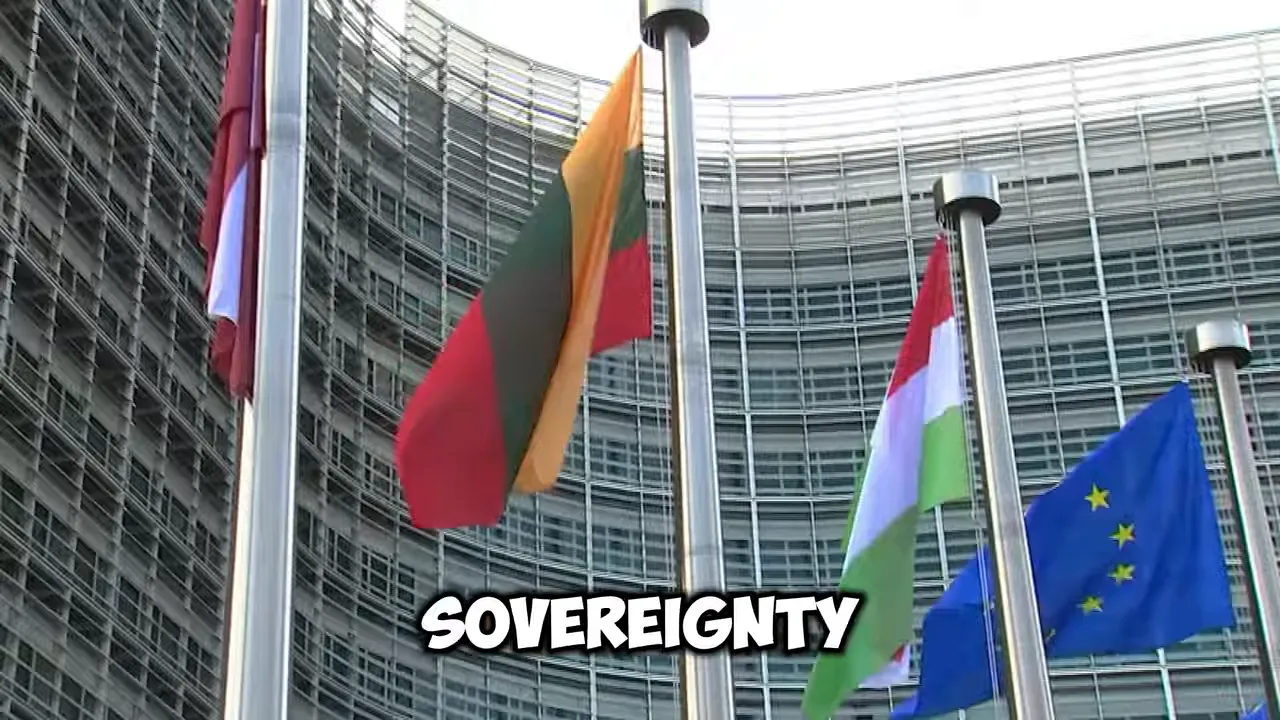
Again and again, the speeches return to one core principle: national sovereignty. Orbán argues that Europe cannot be built on something detached from the nation. A workable European future, he says, must be based on cooperation among sovereign countries, not on an imperial center trying to erase differences and impose uniformity.
This is one of the clearest philosophical divides in the whole debate. On one side is a vision of ever deeper integration, common rules, and supranational authority. On the other is a vision of Europe as a civilizational family of nations, each free to define how its people want to live, what values to prioritize, and what borders to enforce.
The conservative message is simple: cooperation, yes. Submission, no.
Mass immigration as the defining issue
If one subject dominates more than any other, it is immigration. The speakers present mass immigration, especially illegal immigration, as the central driver of Europe’s current disorder.
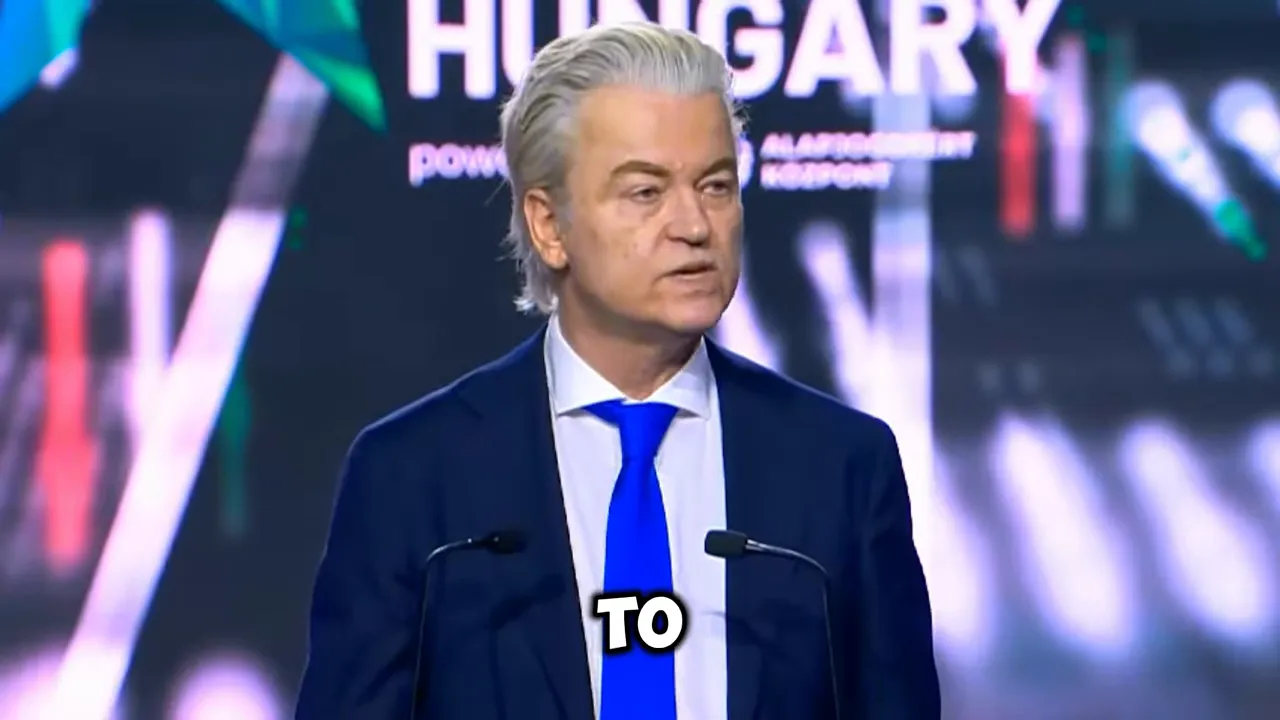
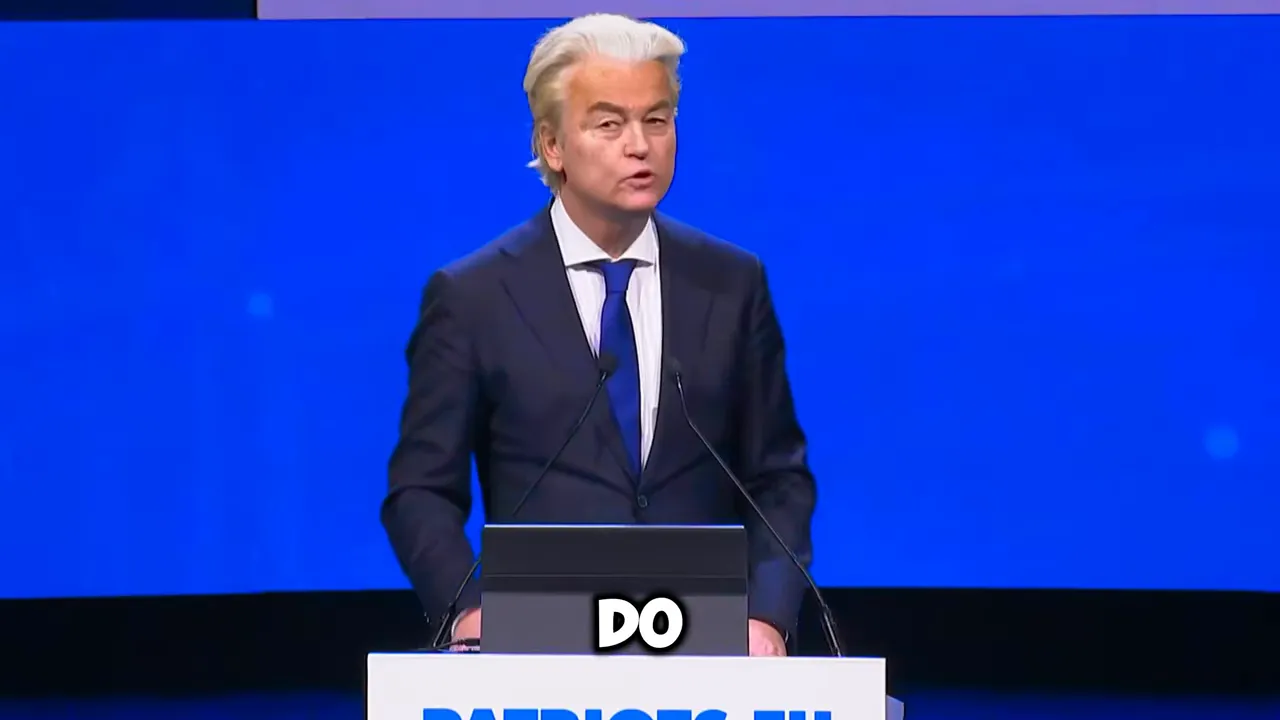
Geert Wilders says Europeans have been told for years to give up national sovereignty, abolish borders, and erase their identities. He rejects that entire framework and calls the old slogan that “diversity is a strength” a lie. Others echo that point, arguing that multiculturalism has not created social harmony but fragmentation, insecurity, and permanent tension.
Viktor Orbán criticizes liberal support for migration as a direct attack on the freedom of nations to decide who may enter and settle in their territory. That is a recurring conservative complaint: migration is not being debated honestly as a question of democratic consent. It is being pushed as a moral obligation, while countries that resist are denounced as backward or immoral.
The speeches go beyond border control and call for removal. Martin Helme’s position is blunt: if countries failed to stop arrivals in the first place, they should not allow them to stay. Geert Wilders similarly says Europeans want secure borders, an end to mass immigration, and the expulsion of illegal aliens and criminals.
The underlying argument is that demographics are destiny. If immigration continues at scale, these speakers believe the ethnic, cultural, and religious composition of Europe will be transformed permanently.
Security, crime, and public order
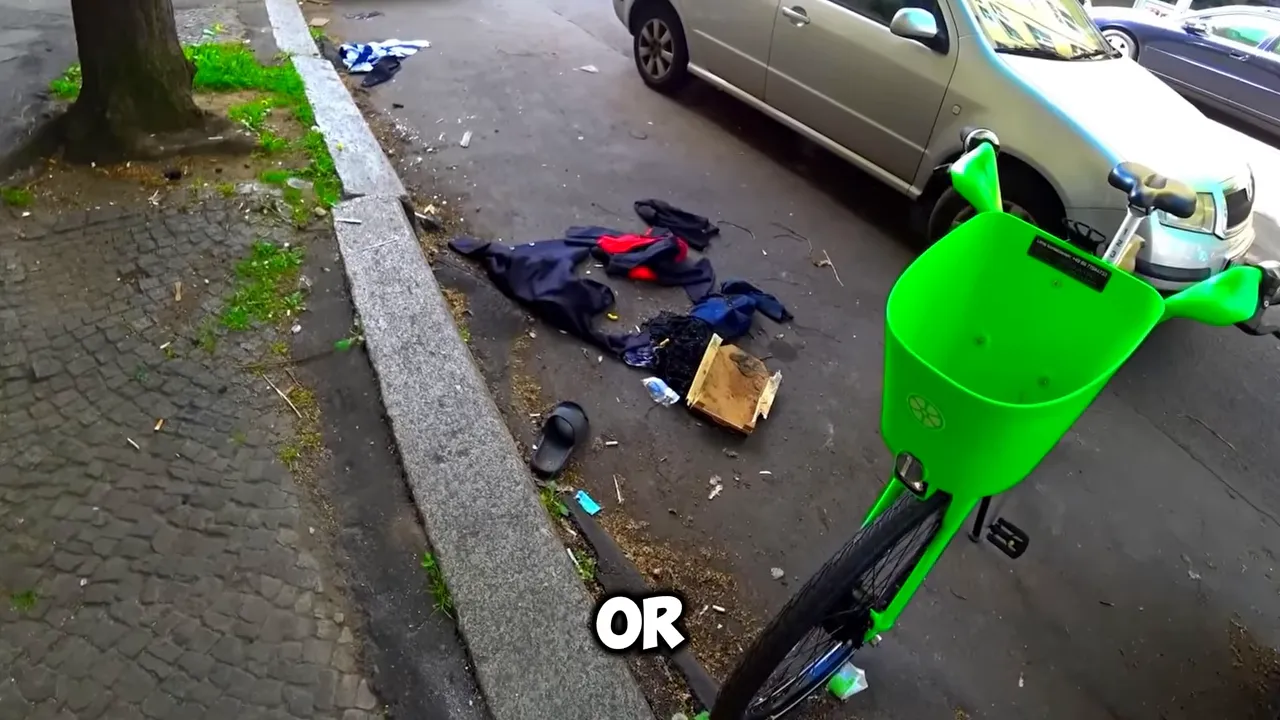
Immigration in these speeches is tied not only to identity, but also to safety. Several voices point to danger on the streets, terrorism, and what they describe as the economic burden of supporting migrants. Dominik Tarczyński uses especially direct language, referring to daily reports of rapes, stabbings, and machete attacks.
The claim is that Europe’s political leadership has not merely failed to prevent these outcomes. It has enabled them, then refused to acknowledge the scale of the damage. That is why the frustration is often directed as much at native elites as at migrants themselves.
There is also a strong cultural expectation embedded in this position: if someone comes to Europe, they must respect the country they entered. One speaker puts it plainly. If this land offers opportunity and is better than the place someone left, then it must be respected. If it is not respected, then that person should leave.
Islamization and the fear of civilizational replacement
One of the most controversial arguments in the compilation is the claim that Islamization has made Western Europe unrecognizable. Wilders points to headscarves, shops serving Islamic customers, politicians courting Muslim voting blocs, intimidation of non-Muslims, rising antisemitism, and growing accommodation of Sharia-based demands.
These speakers do not present this as a narrow religious question. They present it as a broad struggle over who sets the norms of European public life. In their view, authorities have become afraid to defend the traditions, freedoms, and historical identity of their own societies.
This is where the rhetoric becomes explicitly civilizational. Europe is described not as a neutral administrative zone, but as the homeland of a specific people, shaped by a specific history, and deeply marked by Christianity.
“We are the native people of Europe.”
That statement from Eva Vlaardingerbroek captures the essence of the argument. Europe, in this view, is not a blank slate. It is an inheritance. To deny that, they say, is to ensure its disappearance.
Identity, Christianity, and the defense of inherited Europe
The speeches repeatedly return to a triad that has become common in nationalist and conservative politics: homeland, religion, family.
Afroditi Latinopoulou states it directly. Others build around the same idea, warning that Western Christian values are under attack from a coalition that includes left-wing academics, gender ideologues, radical environmentalists, open-border globalists, atheist activists, communist groups, and Soros-aligned NGOs.
Whether one agrees with that framing or not, the structure of the argument is clear. The conflict is not seen as a normal left-right disagreement over taxes or spending. It is treated as a struggle over the moral and cultural foundations of European life.
That includes:
- Whether Europe has a historic identity worth preserving
- Whether Christianity still matters to public life
- Whether family should remain the central social institution
- Whether schools should reinforce parental values or undermine them
- Whether national flags, borders, and traditions should be embraced or treated with suspicion
Alice Weidel warns of people striking at the core of Europe’s culture, values, and way of life. The language is dramatic, even martial: “the vandals are at the gate.”
The fight over children, schools, and “woke” politics
No contemporary conservative movement would be complete without a fight over education and social norms, and that battle appears here in unmistakable form.
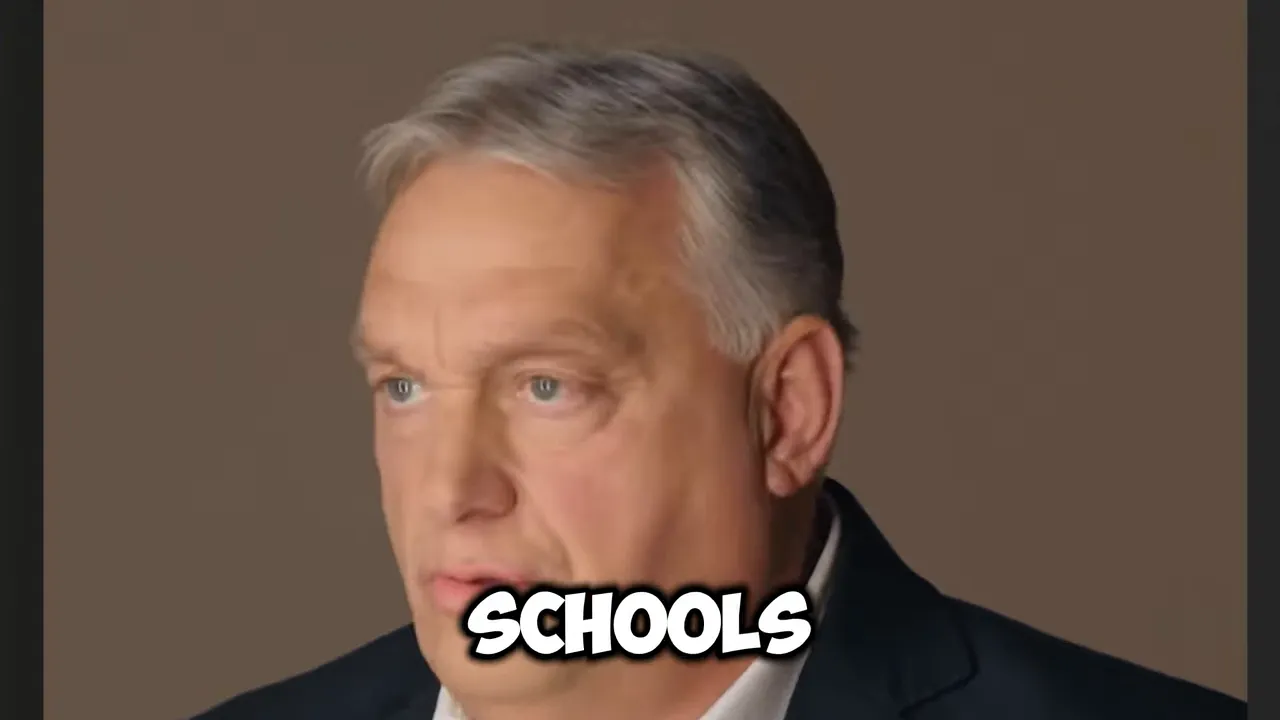
Several speakers attack what they call woke ideology, especially around gender and sexuality. Viktor Orbán argues that Brussels and liberal elites want to impose LGBTQ values as compulsory across countries that do not share the same moral outlook. He also condemns what he sees as propaganda in schools that runs against family values.
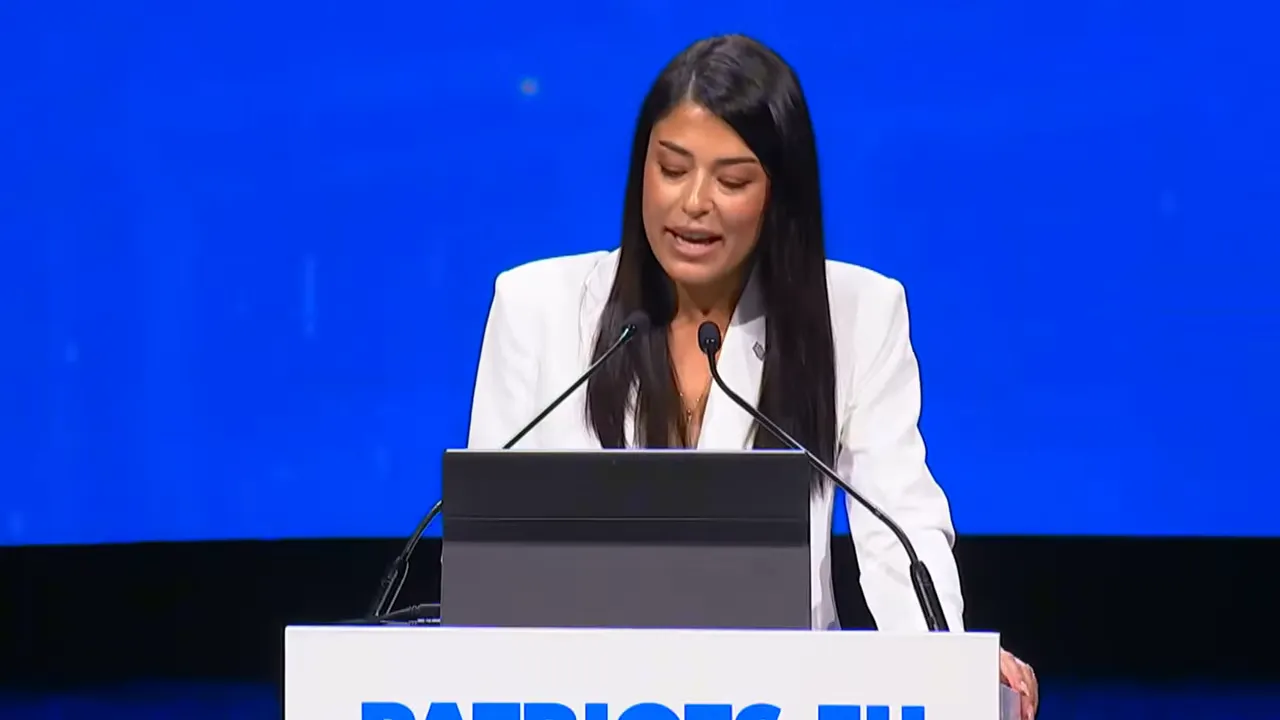
Afroditi Latinopoulou distills that sentiment into a sharp slogan: “Hands off our children.” She calls for an explicit ban on woke propaganda in schools and frames the issue as one of parental rights, cultural continuity, and resistance to ideological pressure from above.
This issue matters so much to these speakers because it represents, in their eyes, the broader pattern of elite overreach. Immigration is one front. Energy policy is another. But schools are where the state enters the most intimate part of national life: the formation of children.
That is why the opposition is so emotional. It is not presented as an abstract debate about curriculum. It is framed as a struggle over whether the next generation will inherit Europe or be alienated from it.
The Green Deal, energy bills, and economic frustration
The conservative challenge to Brussels is not only cultural. It is also economic.
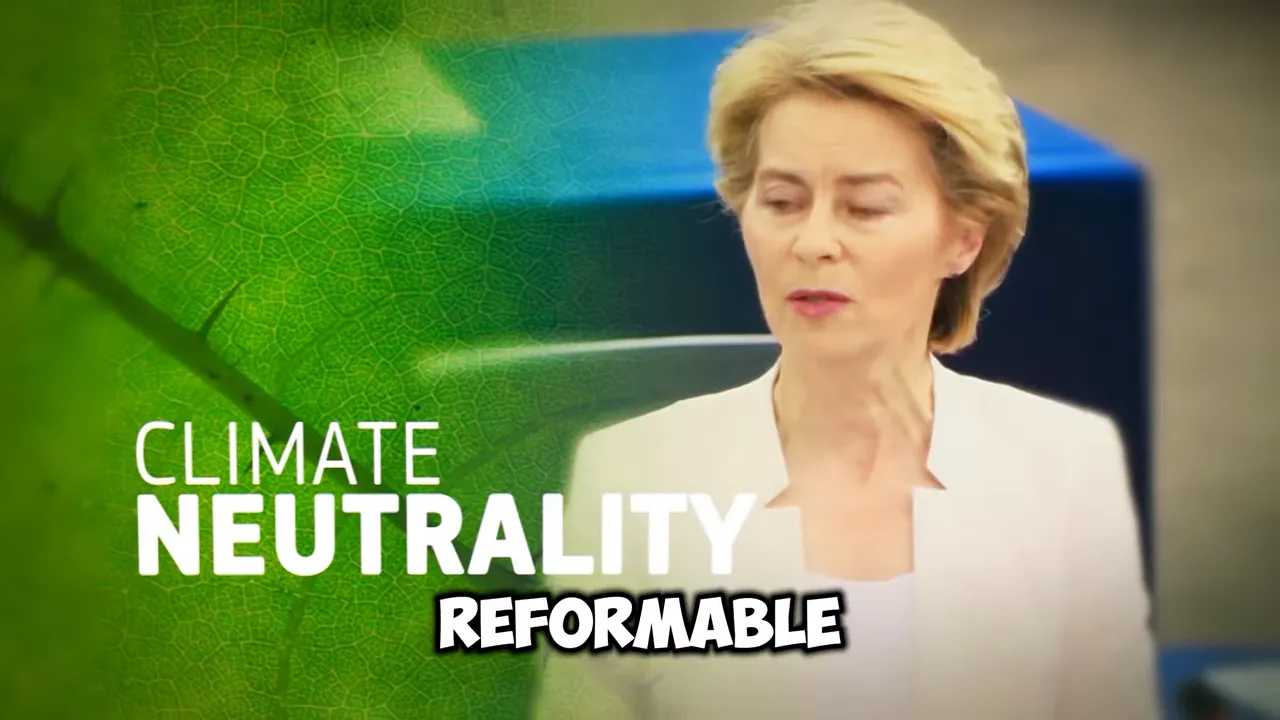
Andrej Babiš says the Green Deal is dead. Not flawed. Not in need of minor reform. Dead. That line captures a broader backlash against climate and energy policy among the speakers in this compilation.
The complaint is twofold:
- The green transition has driven energy bills to punishing levels
- Excessive taxation and regulation are strangling business and pushing the middle class toward poverty
Afroditi Latinopoulou ties these issues together neatly. In her view, Brussels leaves behind a ruinous obsession with the green transition, unaffordable energy, excessive taxation, a woke agenda imposed on children, and uncontrolled immigration that turns neighborhoods into ghettos and undermines public safety.
In other words, the conservative case is not only that elites are betraying cultural identity. It is that ordinary Europeans are also being asked to pay for that betrayal in the form of higher bills, lower security, and fewer opportunities.
A crisis of leadership
One of the most powerful recurring themes is the accusation that Europe lacks leaders. Not managers. Not bureaucrats. Leaders.
Dominik Tarczyński asks the question with open contempt: Where are your leaders? His answer is that they are not with the people. They are absent when courage is required and silent when hard truths need to be spoken.
This helps explain the emotional force behind so much of the rhetoric. The speakers are not merely criticizing policies. They are condemning what they see as cowardice, evasion, and elite self-protection in a period of continental danger.
Bravery, in this framework, means saying what others are afraid to say:
- Mass immigration has failed
- Multiculturalism has failed
- The present EU model is failing
- Woke ideology is being rejected
- Europe must recover confidence in its own civilization
“It’s time to stop being afraid,” Eva Vlaardingerbroek says. Tarczyński adds, “It’s time for brave men.” The wording is confrontational, but the intent is clear: the movement wants to define itself as the camp willing to speak plainly while establishment politicians hide behind euphemisms.
What kind of Europe do these conservatives want?
Despite the anger, the speeches are not only negative. They also sketch a positive vision, even if in broad strokes.
The Europe being defended here is:
- A Europe of sovereign nation states
- A Europe with secure borders
- A Europe where illegal immigration is stopped and reversed
- A Europe rooted in Christian and civilizational inheritance
- A Europe where families, not ideological bureaucracies, shape children
- A Europe where public order is restored
- A Europe where political cooperation exists without cultural erasure
This is not an anti-Europe message, at least not in the way the speakers understand it. André Ventura says, “We are all Europeans. We fight for Europe.” The point is not to diminish Europe, but to oppose what they see as a version of Europe that has become detached from its peoples.
That is why slogans like “Make Europe Great Again” appear so often. The phrase deliberately echoes Donald Trump’s political style, but the substance is adapted to European concerns: sovereignty, borders, crime, energy, identity, and demographic change.
The Trump effect on Europe’s right
Donald Trump’s influence is explicit. One speaker praises him as an example of a leader who puts his own country first and offers a model for others to do the same. The lesson they draw is not about copying American politics wholesale, but about recovering the principle that governments should serve their own people before abstract global projects.
For Europe’s conservative right, Trump symbolizes several things at once:
- Defiance against establishment consensus
- Rejection of political correctness
- Border enforcement as a moral duty
- National loyalty over transnational managerialism
- A willingness to use blunt language rather than bureaucratic euphemism
The appeal is obvious. If America can speak of national renewal and a golden age, why should Europe accept managed decline as the only respectable option?
The populist claim: the majority is with them
Another recurring line is that ordinary Europeans already agree with much of this agenda, even if the media and governing elites refuse to admit it.
According to this view, the majority wants:
- Secure borders
- An end to mass immigration
- The deportation of illegal migrants and criminals
- Protection of national identity
- Freedom from censorship and ideological coercion
- Restoration of democratic control
This is important politically because it shifts the movement’s self-image. It no longer sees itself as a fringe protest. It sees itself as the authentic democratic majority finally refusing to be intimidated.
That is why the language of fear and silence appears so often. The claim is that many people know what is happening but are afraid to say it. The conservative task, then, is to break that silence.
“It’s time to speak out loud as it is.”
Why the rhetoric is so apocalyptic
The repeated references to collapse, civilizational erasure, and running out of time are not accidental. They perform an important political function.
If the problem is merely bureaucratic inefficiency, then cautious reform is enough. If the problem is civilizational decline, then radical political change becomes morally necessary.
That is the frame these speeches build from start to finish. Europe is not just experiencing policy mistakes. It is confronting an existential challenge brought about by:
- Loss of sovereignty
- Mass migration
- Cultural demoralization
- Elite censorship
- Energy and economic self-sabotage
- Weak leadership
Once those issues are fused together, the final demand follows naturally: not minor correction, but reversal.
The closing message: reclaim the homelands
The article’s final note is the same as the movement’s closing note: defiant optimism.
However dark the diagnosis, the speakers insist decline is not inevitable. Europe can still recover, but only if it rejects passivity. Nation states must become strong again. Borders must mean something again. Families must be defended. Leaders must stop apologizing for Europe’s inheritance. Brussels must either change course or lose legitimacy.
The closing argument is simple and uncompromising: the right believes it can prevail because it believes it is aligned with history, democracy, and the instinct of peoples to remain themselves.
That is the heart of this conservative message, unfiltered and unmistakable. Europe, they argue, does not need to be dissolved into a post-national project. It needs to remember what it is, defend what it has inherited, and act before the window closes.
Follow more of this debate
For more speeches, commentary, and clips focused on European politics, immigration, sovereignty, and the future of the European Union, visit Rodaportal’s channel.

