

The collapse of the Syrian regime has reopened a fraught debate across Europe about migration, asylum, and security. Lawmakers across the continent are arguing that the conditions which justified mass protection no longer exist, and that a coordinated push to repatriate Syrian nationals is now legitimate and urgent.
This report summarizes the main arguments presented by Members of the European Parliament, outlines the legal and humanitarian tensions at stake, and evaluates the policy options being proposed. It highlights the competing priorities: respecting international protection obligations while addressing perceived threats to public order and cohesion.
What politicians are saying
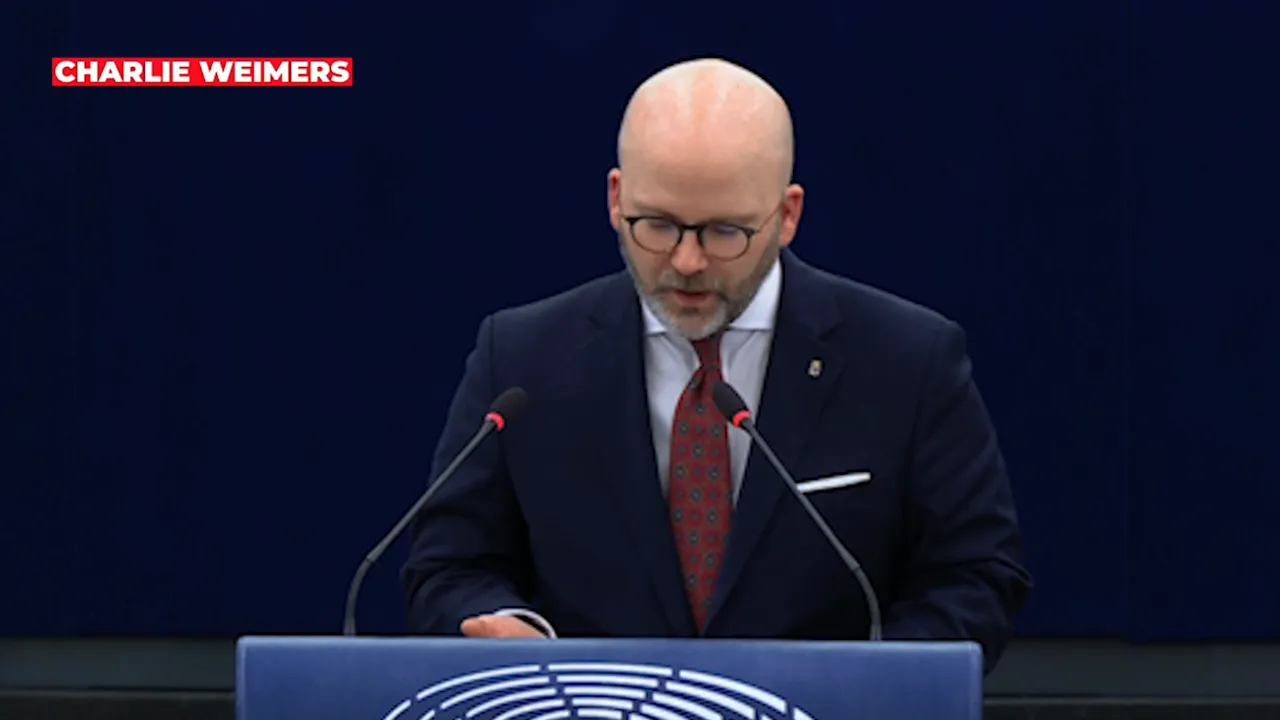
Charlie Weimers framed the debate bluntly:
“Millions came from Syria to Europe. Now the regime has fallen, and countries want to return migrants there, but their hands are tied by the EU court, which is legislating from the bench, overruling democracy.”
His point speaks to a legal clash: national governments pushing for returns versus supranational courts applying strict standards for sending people back.
Petra Steger and other MPs argued that the fall of Assad removes the basis for protected status for many Syrians. Steger declared
“It is high time for approximately 100,000 Syrian asylum seekers residing in Austria and roughly 1 million throughout all of Europe to pack their suitcases and go back home immediately.”
This is the core political claim motivating calls for swift repatriation.
Legal and humanitarian tensions
Critics warn that EU case law places a high bar on returns. The Court requires that the whole territory of a sending country be safe, that people face no degrading treatment, and that there is no real risk of serious harm. Proponents of returns reject that standard as overly cautious and argue for national discretion to determine safety.
Humanitarian advocates and legal experts caution that the situation on the ground in Syria is not uniform. Some areas may be safer than others, while others remain contested or controlled by groups that the EU considers extremist. The result is a messy, case by case reality that complicates blanket repatriation policies.
Security concerns and minority protection
Several speakers emphasized the risk posed by extremists and alleged war criminals among the migrant flows. Željana Zovko raised a warning about the need to protect religious minorities, saying
“A lot of them are war criminals and represent a major threat to minorities, especially Christians, Jews, and Yazidis.”
Protecting vulnerable communities inside Syria was presented as a priority in guiding European policy on aid and returns.
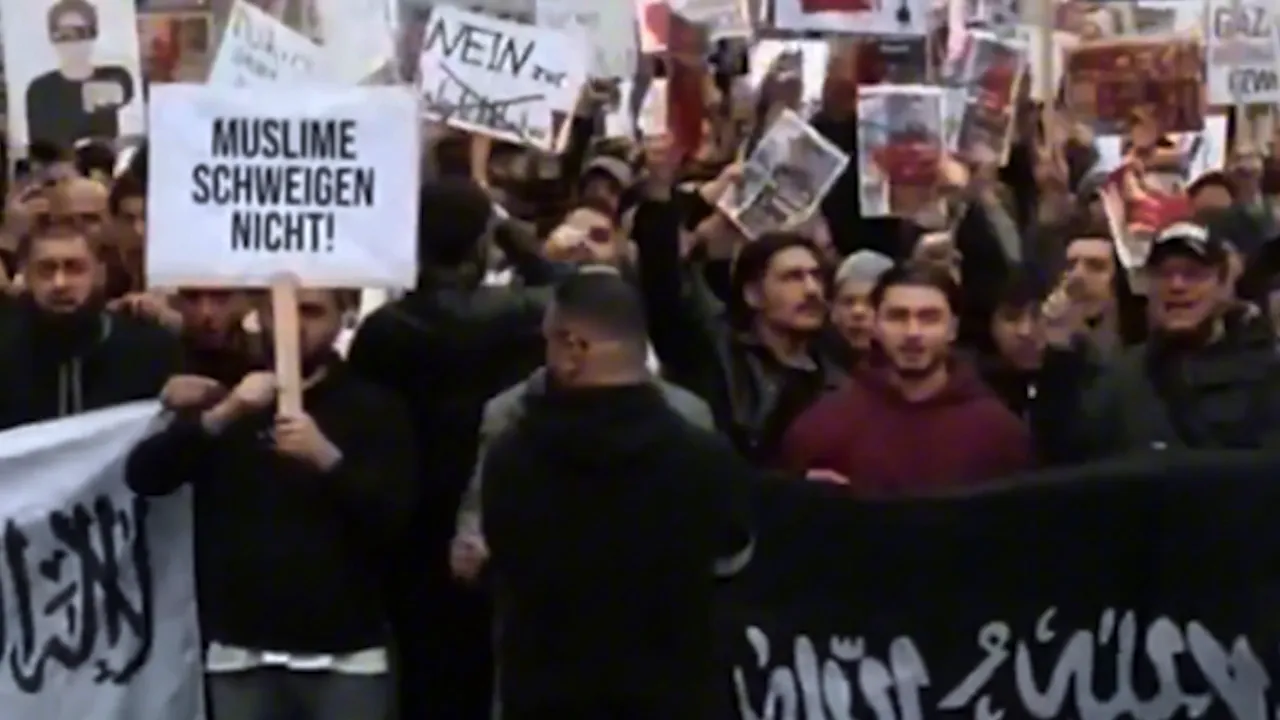
Other MEPs stressed that public order in European cities is a legitimate concern. Descriptions of demonstrations and scenes at public events were used to illustrate fears about radicalization and social friction. These accounts were deployed to argue for tougher border controls, suspension of family reunification, and immediate repatriation where possible.
Geopolitical realities: Turkey, Russia and new powers in Syria
Speakers repeatedly pointed to the regional power play shaping Syria’s future. Turkey and Russia were identified as the two dominant external actors, each pursuing different agendas and each capable of influencing migration and security outcomes that reverberate into Europe.
Concerns were also expressed about non state armed groups and the possible return of territories to control by actors on terrorist lists. That uncertainty feeds both humanitarian caution and political calls for precautionary measures, including conditioning aid so it does not strengthen extremist groups.
Policy options on the table
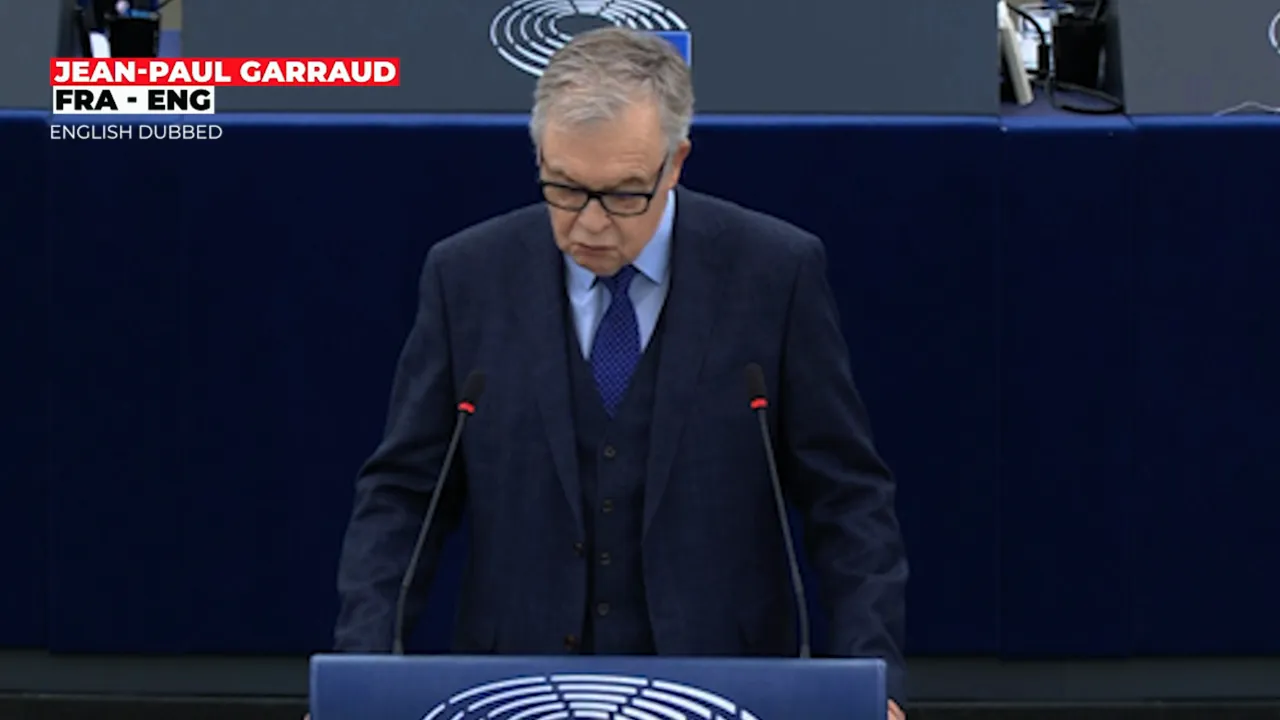
Across the debate a set of recurring policy proposals emerged: close external borders, process asylum applications outside EU territory, suspend certain asylum and family reunification procedures, and condition aid to ensure it does not empower radical groups. Jean Paul Garraud summarized a hardline sequence:
“First by protecting our external borders. Subsequently, we must overturn the European Migration Accord… And finally, asylum applications must be processed outside the European Union.”
Other suggestions included stricter screening for criminal and extremist affiliations before allowing stays, and requiring return agreements with the new authorities in Syria. Proponents argue this package protects citizens while enabling focused humanitarian aid to those still in need inside Syria.
Practical implications and risks
If implemented, a large scale repatriation program would raise immediate operational and ethical questions. Identifying safe zones in Syria, verifying whether claimants face individual risks, and preventing returns to persecution are complex tasks that require robust screening, monitoring, and diplomatic arrangements.
There is also a political risk for the EU. Heavy handed or poorly coordinated returns could generate human rights litigation, diplomatic friction with host countries or transit states, and further destabilization in both Syria and receiving European communities.
Balancing security and obligations
The debate exposes a deeper tension: democratic governments responding to domestic security and political pressures while bound by international refugee law. Calls to deport “anyone who fled here because of Assad” are straightforward in rhetoric, but face legal checks and humanitarian scrutiny in practice.
Whatever route is chosen, it will require clear safeguards to ensure that returns are voluntary where possible, that vulnerable groups are protected, and that aid and reconstruction support safe reintegration rather than empowering abusive actors.
Conclusions and recommendations
This report finds three pragmatic priorities for policymakers considering any shift toward repatriation. First, maintain strict adherence to international protection standards and ensure individual assessments remain central. Second, tie humanitarian and reconstruction aid to credible safeguards that prevent diversion to extremist groups. Third, invest in external processing capacity and diplomatic arrangements to make any returns orderly, monitored, and reversible if conditions worsen.
Words like security, sovereignty, and solidarity are all invoked in the debate. Resolving the tensions among them will require legal clarity, political courage, and operational planning. The stakes are high for European cohesion and for the future of millions who fled a brutal conflict.

