

Across a series of frank, uncompromising remarks, a group of public figures laid out a shared frustration: the country’s leaders are failing to represent the people who built this nation. The arguments range from economic decline and perceived cultural erosion to law and order and immigration policy.
The conversation is driven by a simple, forceful question repeated in different ways: who speaks for ordinary British families, and why do so many feel ignored? These speakers insist the answer begins with accountability, integration, and a reassertion of national priorities.
Absent Leadership and an Economy Under Strain
Several voices argue that the political class has become disconnected from practical, real-world experience. One blunt assessment is that many decision-makers “haven’t got a clue” because they have never run businesses or faced the pressures of creating jobs and sustaining industries.
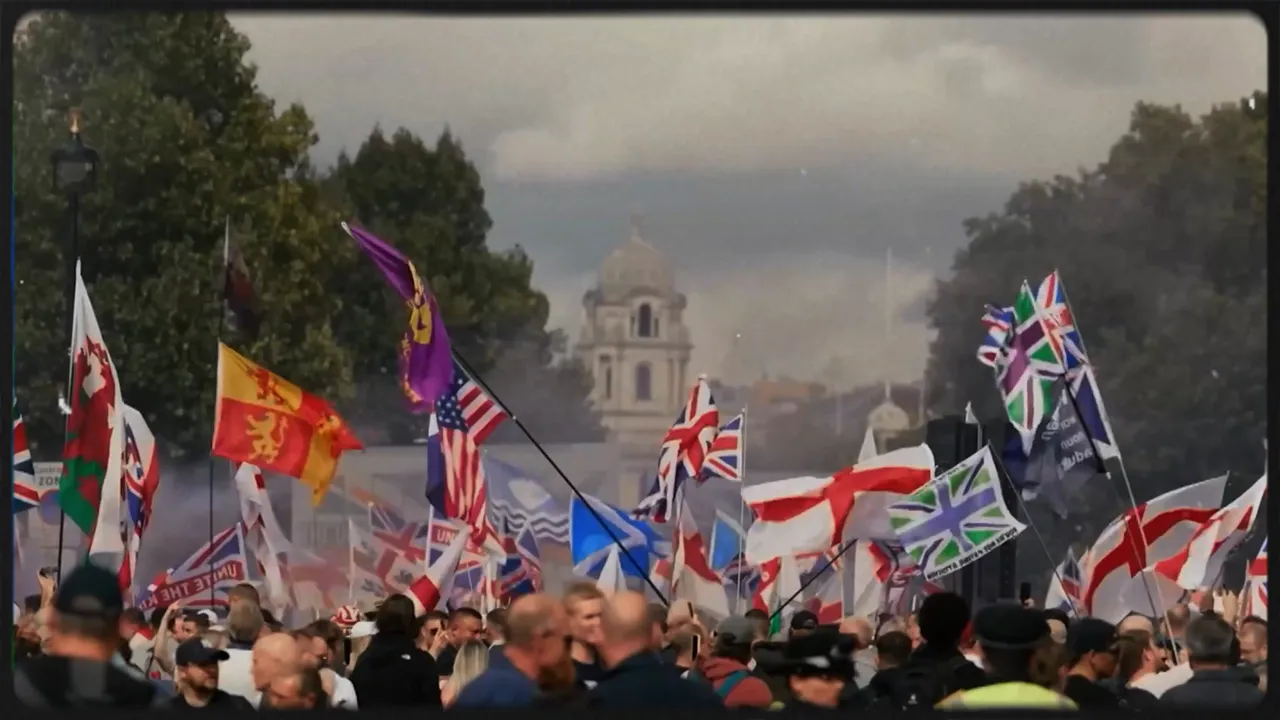
The economic thread runs through the critique: industrial towns, from steel and mills to car manufacturing centers, are described as being hollowed out. The claim is that central, top-down economic planning won’t fix what the speakers see as an exodus of the key drivers of the economy and a loss of confidence among entrepreneurs.
Church, Community, and a Sense of Betrayal
For some, the crisis is not only economic but moral. One contributor expressed deep disappointment with religious institutions, arguing that church leadership has, in their view, sided with political movements perceived to be hostile to working-class interests.
That sense of betrayal is linked to a broader accusation that the establishment—including police, social services, the NHS, and local government—has “turned a blind eye” to problems that affect vulnerable communities. The result is a narrative of two-tier justice and a loss of trust in public institutions.

Immigration, Integration, and Public Safety
Immigration sits at the center of the debate. Some speakers demand strict enforcement—”zero illegal migrants”—and argue that failure to control borders has social and economic consequences. These comments frame illegal entry as a legal and civic problem that should be met with detention and deportation.
“Zero illegal migrants. Zero means zero.”
Alongside calls for stronger border controls, there are urgent claims about integration: newcomers, it is argued, must respect the host country’s customs and contribute positively to community life. The speakers link lack of integration to exploitation of welfare systems, postal voting concerns, and declines in social cohesion.
Distinguishing Islamist Politics from Muslim Faith
A recurring distinction made during these remarks is between faith and political ideology. Commentators emphasized a difference between a Muslim—someone who follows Islam as a religion—and an Islamist, defined as a political project that seeks to expand influence through militant or legislative means.
This distinction is used to explain why some activists and politicians fear both violent radicalism and what they see as attempts to reshape public life through laws and policy. Critics argue that legislative or social pressure that suppresses dissent can function like a modern “sword.”
Crime, Grooming, and Public Outrage
High-profile cases and allegations of grooming and exploitation were described as evidence of systemic failure. Those raising the alarm say these crimes were once localized but are now reported across multiple towns, fueling public anger and perceptions of two-tier policing.
The reaction presented is emphatic: victims deserve protection, perpetrators must be prosecuted without fear or favor, and institutions should be transparent and accountable. For many making these points, acknowledging past mistakes about multicultural policy is a necessary step toward reform.

Free Speech, the Deep State, and the Role of Government
Another strand of the argument centers on civil liberties and a suspicion of a powerful bureaucratic elite. The complaint is that a once robust culture of free speech is giving way to what is perceived as state censorship and a judiciary or bureaucracy acting as a self-perpetuating oligarchy.
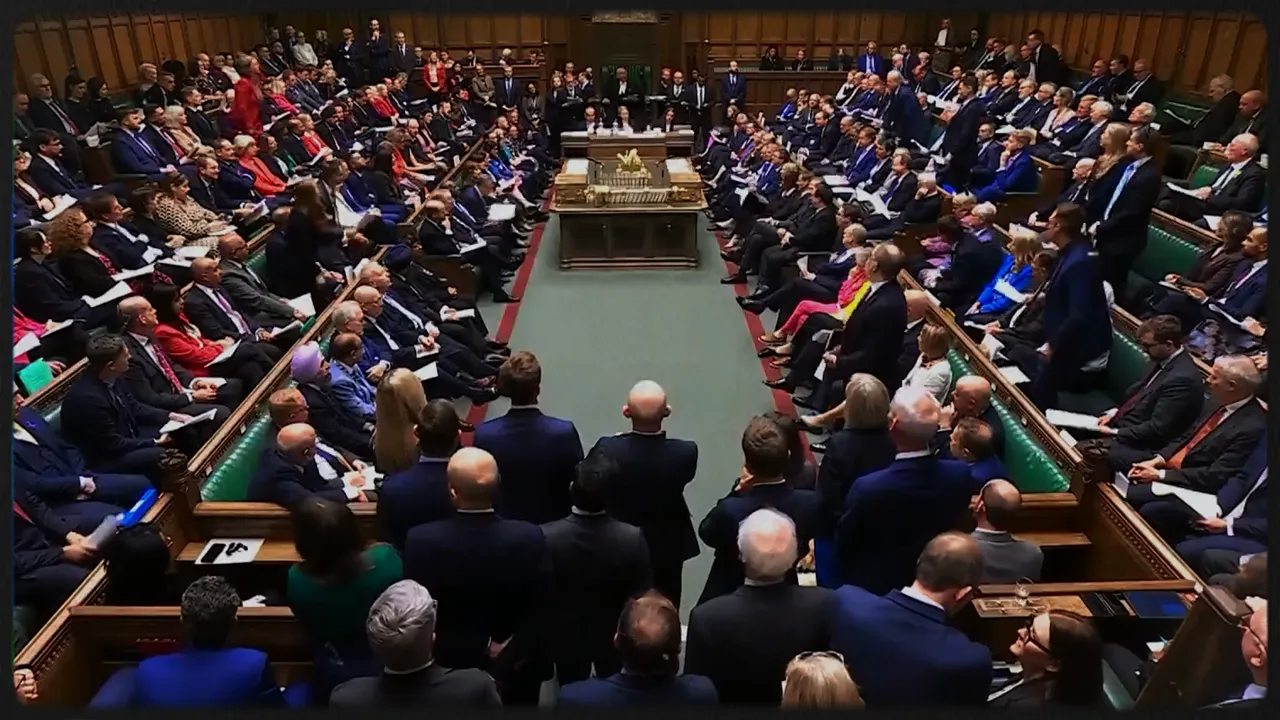
From this perspective, elected officials should prioritize the interests of the British voter and taxpayer rather than global initiatives or cultural agendas. There is a repeated refrain that governments are “servants of the people” and must refocus on veterans, housing, healthcare, and the needs of those who have paid into the system.
Calls to Action and Civic Engagement
The conversation closes with a clear invitation: stop being a silent majority. Several speakers urge citizens to speak up, participate in civic life, and press for accountability. The message is both defensive and mobilizing—protect families, protect communities, and insist that public policy reflect the will of the people.
Whether one agrees with every claim or not, the broader takeaway is that a significant segment of the public feels overlooked and demands tangible policy responses on immigration, integration, public safety, and economic renewal.
Key Takeaways
- Leadership matters: Many argue that lived experience in business and community should inform policymaking.
- Integration is central: Stronger emphasis on cultural integration and civic responsibility is presented as a solution to social friction.
- Distinguish ideology from faith: Clarifying the difference between political movements and religion is considered essential to focused policy responses.
- Institutional accountability: Calls for transparent policing, judicial fairness, and welfare prioritization are consistent themes.
Final Thought
These are urgent, sometimes divisive perspectives about the direction of the country. They expose deep frustration and a demand for change. Constructive responses will require clear policy choices, honest public debate, and inclusive solutions that address both security and social cohesion.

